25 Questions to Ask When Buying a Used Car
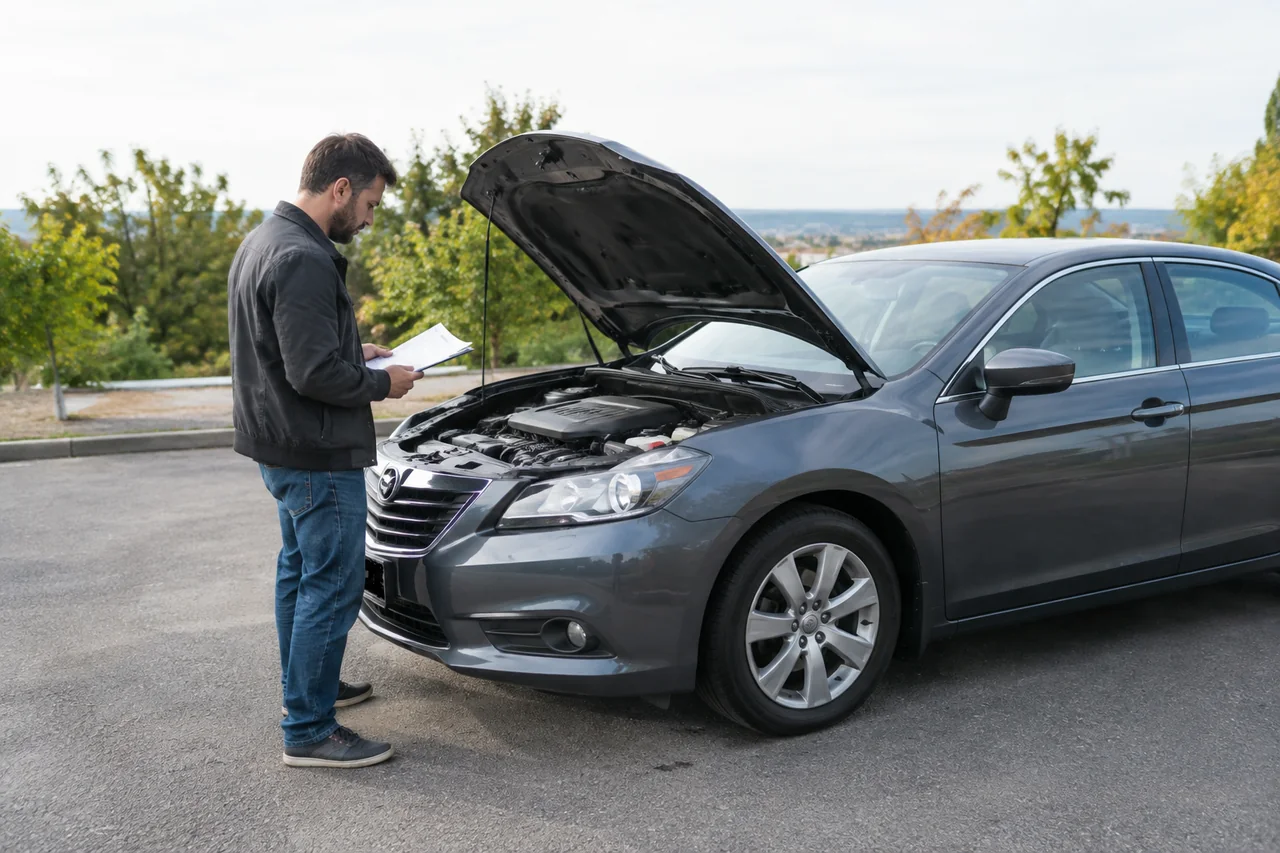
A complete list of questions to ask when buying a used car works as a checklist, not a quiz. What you should ask before buying covers ownership, title status, accident history, maintenance records, current symptoms, a test drive, and a written purchase agreement. Asking first does not prove the car is sound, but it shows what to verify and what still needs an independent look.
Questions About Ownership and How the Car Was Used
The first things to ask when you're buying a used car include why it is being sold. The stated reason is a lead, not proof of condition. If the seller mentions a noise, leak, warning light, or shop visit, follow up on what was found and whether it was resolved. How long the current owner has had it, and how many previous owners are documented, can show transfer dates; owner count alone does not determine reliability.
Use and storage explain wear that mileage alone will not. Daily commuting, commercial duty, towing, long stretches parked, or outdoor exposure to heat, salt, or moisture all change what a later inspection should emphasize. The current odometer reading, plus any known discrepancy, should be checked against dated service invoices and ownership papers that list mileage. Gaps or mismatched figures still need explanation before the reading can be treated as a coherent history.
Questions About the Title, VIN, and Outstanding Liens
Legal authority to sell should be settled next. The title needs to be available, and the person offering the car must have ownership or documented selling authority such as a power of attorney or dealer assignment. Brands and other recorded restrictions also matter. Salvage, rebuilt, flood, and similar language, plus transfer rules, vary by state and need local confirmation. An unbranded title still does not prove an undamaged history.
An outstanding lien is a separate problem from a branded title. A verbal claim that the loan is paid is not enough; a documented payoff, the lienholder's process, and a recorded lien release belong in the file. The VIN on the car should then be matched to the title, registration, and supporting records. Unexplained differences in digits, plates, or labels can block transfer and leave title status unclear, so those discrepancies need resolution first.
Questions About Accidents, Damage, and Repairs
Accident history is one of the most useful things to ask for when buying a used car. If there has been a collision or any body or structural repairs, invoices, photos, and shop names still leave scope and quality for an independent look. Flooding, fire, and significant corrosion deserve the same candor. Disclosures and a vehicle history report can miss water intrusion or rust in cavities, so suspected flood damage warrants a professional inspection rather than a walk-around alone.
Restraint-system work is easy to miss if you only glance at the dash. Deployed airbags or repaired restraint parts call for receipts and inspection by someone qualified to evaluate those systems, because a dark warning lamp cannot establish that repairs were complete. A vehicle history report from the seller is worth reviewing, and a separate copy you obtain yourself can add reported events. Missing entries still cannot rule out damage that was never filed.
Questions About Maintenance and Upcoming Work
Dated maintenance records are the practical answer to what to ask for besides the keys. Invoices that list mileage and the work performed support claims about oil service, filters, fluids, and inspections more convincingly than a verbal assurance. Scheduled maintenance that is due or overdue should be compared with the schedule that applies to that vehicle. Universal intervals should not be assumed, and overdue items become part of the buying decision rather than later surprises.
Major repairs and component replacements need dates, mileage, invoices, and any remaining repair-warranty terms. A replaced clutch, battery, or radiator shows work was done; it does not prove the related systems are healthy now. Deferred work belongs in the same conversation. Written estimates and inspection notes let a buyer account for unresolved needs, from overdue fluid services to pending parts, instead of discovering them after the keys change hands.
Questions About Current Symptoms and Everyday Functions
Current symptoms are among the common questions to ask when buying a used car, because they shape both inspection and a later test drive. Known faults, warning lights, leaks, noises, and intermittent issues should be described with when they appear—cold start, highway speed, after rain, or after a long sit. Seller descriptions are a timeline, not a diagnosis. A stored fault code is evidence to interpret, not proof a part has failed, and manufacturer-dependent codes still need vehicle-specific confirmation.
Everyday functions deserve a calm check before anyone turns onto the road. Climate controls, windows, locks, lights, and other fitted features can be documented in a safe stationary check, while specialized systems still belong with a qualified inspector. Tire, brake, and battery condition should be discussed with any recent inspection results in hand. Visual wear has limits; unsafe tires, a braking concern, or a serious warning should stop a proposed test drive until those issues are understood.
Questions About a Test Drive and Independent Inspection
An independent prepurchase inspection is one of the top questions to ask before buying a used car, because a qualified look can assess structure, leaks, underbody corrosion, alignment clues, and stored diagnostic data. Refusal leaves significant uncertainty about condition. A cold start you can observe, plus a permitted, insured test drive, can reveal hesitation, noises, or pull during normal driving. Aggressive maneuvers or attempts to provoke faults are not a substitute for that professional evaluation.
Recent resets can make a quiet dash look healthier than the car is. Warning lights that have been cleared, or problems temporarily addressed shortly before the sale, including battery disconnects, scan-tool resets, or last-minute fluid top-offs, can hide a lamp that would otherwise return. A repair invoice from months ago is different from a reset the morning of the visit. Even with no warning visible, professional diagnostic testing may still be needed, because intermittent faults do not always illuminate a dash lamp during a short appointment.
Questions About Written Terms and What Comes With the Car
The full agreed purchase amount, plus taxes, fees, remaining loan payoff, promised repairs, and delivery, should be on paper. Additional charges and obligations belong in a written purchase agreement rather than a handshake. Warranty, return terms, or as-is language need the same treatment. Coverage, exclusions, transferability, and applicable state rules require verification, because a spoken promise is not a substitute for the document that will actually govern the sale. Promised repairs should list who pays for parts and labor.
Handover details close the list of questions you should ask when buying a used car. Documents, keys, accessories, and included equipment typically mean title-transfer paperwork, the signed purchase agreement, available service records, spare keys, and vehicle-specific items such as a supplied charging cable when the car uses one. How many keys exist, and whether the VIN on the papers matches the car you drove, should be confirmed in person. Missing records or a single key are not automatic deal-breakers, but they should be priced into what you agree to pay.