2022 Chevy Silverado Shift Lock Release: How It Works and What to Do
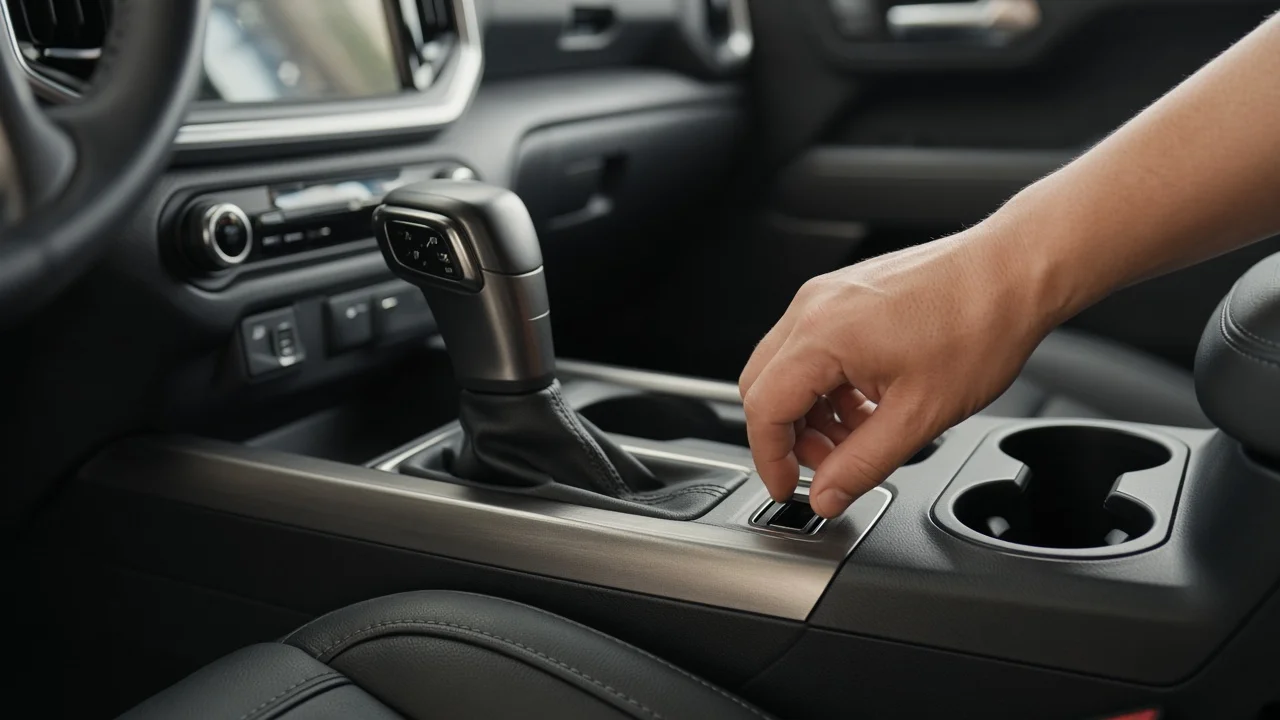
When a 2022 Chevy Silverado refuses to come out of Park, most owners start looking for the shift lock release. The right approach depends on which version of the truck you have and how its shifter is built, because a column lever and an electronic shifter handle the park interlock very differently. This guide explains the system, the common reasons it stays engaged, and the safe steps to take before assuming any part has failed.
The short answer
The shift lock, also called the brake transmission shift interlock, keeps the transmission in Park until the ignition is on and the brake pedal is pressed. When it will not release, the usual contributors are a weak or dead battery, a brake pedal signal that is not reaching the system, a blown fuse, or a fault in the interlock or shifter electronics. On trucks with a column lever, the owner's manual describes an override procedure for getting out of Park when the interlock does not release on its own. On trucks with an electronic shifter there is no lever to unlock mechanically, so moving out of Park without normal operation follows the specific procedure in that truck's manual or requires service.
Treat any release or override as a way to move the vehicle, not as a repair. Before trying one, set the parking brake firmly and, if the truck is on any slope, chock the wheels. Once the transmission leaves Park, the parking brake is the only thing holding the truck in place.
How the shift interlock works
On a column-shift truck, a small electrically controlled lock blocks the shifter mechanism while the lever is in Park. Pressing the brake pedal with the ignition on sends a signal that releases the lock, and you can often hear a faint click as it happens. If that signal never arrives, or the lock does not have enough voltage to move, the lever stays trapped even though the transmission itself may be perfectly healthy.
An electronic shifter works differently. Moving the button or toggle simply sends a request to a control module, which checks conditions such as brake application and vehicle speed before commanding the transmission out of Park. Because every step depends on electrical power and module communication, low battery voltage or a communication fault can cause the truck to ignore the request, display a warning message, or refuse to change gear even when the driver does everything correctly.
Which 2022 Silverado you have matters
The 2022 model year is unusually mixed. Chevrolet sold the Silverado 1500 LTD, which carried over the previous design, alongside a refreshed Silverado 1500 with a new interior. Many refreshed trims use an electronic push and pull shifter on the dash, while work-oriented trims generally kept a column lever. The heavy-duty 2500 and 3500 models used a column lever that year. The quickest check is simply to look at where and how you select gears, then match the procedure in the owner's manual to that layout.
Transmission type and engine also vary across the lineup. They have little effect on the basic interlock, but they do affect the fluid specification, the diagnostic path a technician follows, and the fitment of replacement parts such as brake switches or shifter assemblies. The VIN and the service parts identification label, usually found in the glovebox, are the reliable way to confirm the exact configuration rather than guessing from trim badges.
Conditions that change the result
Not every stuck shifter is an interlock problem. If the truck was parked on a grade and allowed to settle onto the parking pawl, the weight of the vehicle can load the pawl so heavily that the lever feels jammed even though the lock has released. In that case the brake signal and electrical system may be fine, and the shift behavior points to mechanical load rather than a failed component.
Electrical conditions matter just as much. A battery weakened by cold weather, short trips, or accessories left on can drop voltage enough to affect the interlock or shifter module. Aftermarket equipment can also play a role: trailer brake controllers, remote starters, and lighting add-ons often connect to the brake signal circuit, and a poor connection there can interfere with the signal the interlock relies on. If the problem started soon after an installation, that circuit deserves attention first.
What you can check yourself
Start with the basics. Make sure the ignition is fully on, not just in accessory mode, and press the brake pedal firmly. Ask a helper to confirm that the brake lights come on when you press the pedal. If they stay dark, the brake signal path is a strong suspect, though that observation alone does not prove which part is at fault. Watch for dim interior lights, slow cranking, or a battery warning, all of which suggest low voltage. The owner's manual lists the fuses tied to the brake lights and shifter system, and a visual fuse check is a reasonable next step.
If the truck is on a slope, the parking pawl may be under load. Going forward, a simple habit prevents most of these cases: hold the brake, set the parking brake, then shift into Park and release the service brake. That lets the parking brake carry the weight instead of the pawl, and the shifter moves more easily the next time you drive.
If you need to use the override, follow the manual's steps exactly for your shifter type, with the parking brake set and wheels chocked. Afterward, write down what happened, including any warning messages and whether the problem was intermittent. That record, along with any stored diagnostic codes and the truck's service history, saves real time at the shop and helps separate a one-time low-voltage event from a developing fault.
Limitations and when to get help
Symptoms alone cannot tell a brake switch from a wiring fault, a failing lock solenoid, or a shifter module problem. Electronic shifter systems in particular store diagnostic codes in modules that basic code readers may not access, so a scan tool capable of reading body and transmission modules is often needed for a confident diagnosis. Repair options range from replacing or adjusting a brake switch to repairing wiring, replacing the shifter assembly, or updating software, and the right one depends on test results rather than the symptom.
If the truck must be moved and cannot be placed in Neutral, a flatbed is the safest choice. Towing with the drive wheels on the ground while the transmission is locked in Park can damage the drivetrain, and four-wheel-drive models add further restrictions. A 2022 truck may still be within factory coverage depending on its mileage and in-service date, so check coverage and ask the dealer to look for applicable recalls or bulletins before paying for repairs out of pocket.