2020 Ford Explorer Front Axle Actuator: How to Confirm Fitment
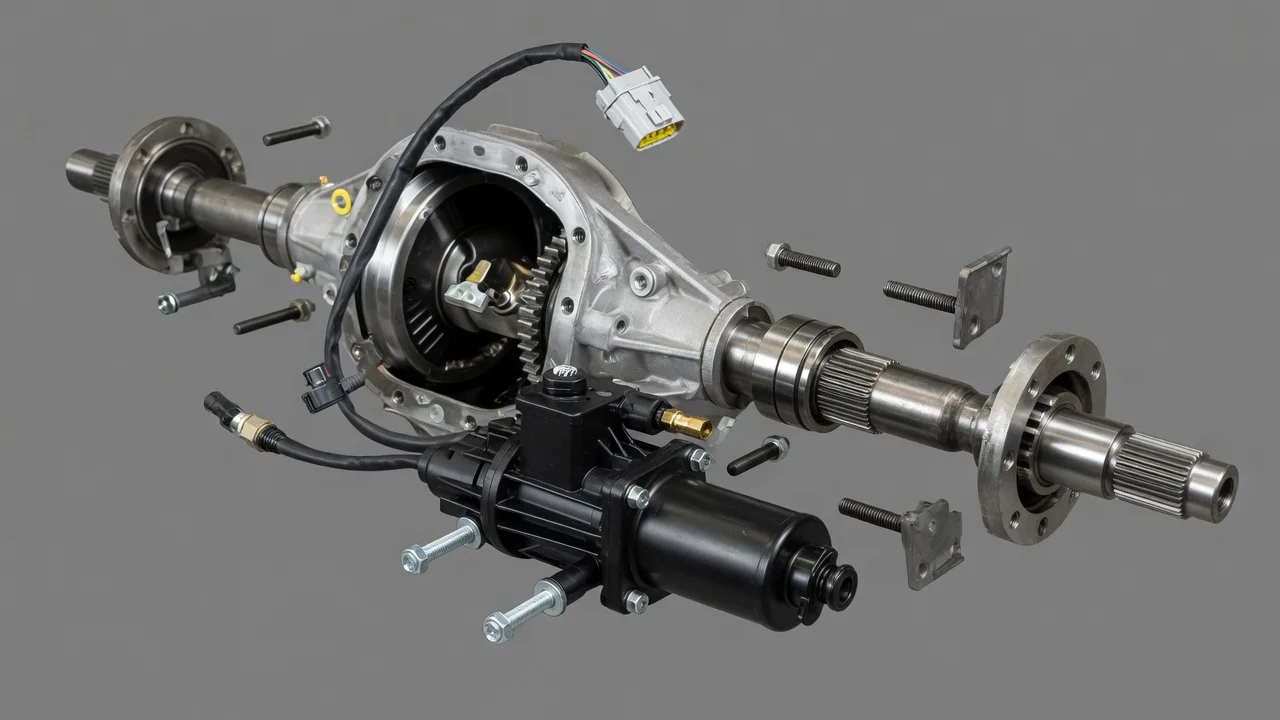
Buying a front axle actuator for a 2020 Ford Explorer looks simple until the parts listings disagree. Some sellers offer one part for every Explorer, others split by drivetrain, and a few group the 2020 model with earlier generations built on a different platform. This guide explains how to tell whether your Explorer uses such an actuator, which details decide the correct part, and how to confirm fitment before you spend money.
Does the actuator fit your 2020 Explorer?
An actuator fits only if your specific Explorer was built with a drivetrain that uses one. The only reliable way to match it is by VIN. The 2020 model year began a redesigned Explorer generation, so do not assume parts for 2019 and older models carry over. Rear-wheel-drive versions do not send power to the front wheels, so a front axle actuator has no place on them. On four-wheel-drive versions, use the factory parts catalog or a dealer parts counter to confirm whether a separate actuator is used and which part number applies. Do not rely on a generic listing that claims to fit all 2020 Explorers.
If you are replacing a failed component, the part number on the original unit, read alongside the VIN lookup, is the strongest fitment evidence you can get. A listing that matches only the year and model name is a starting point, not confirmation.
How a front axle actuator works
On four-wheel-drive vehicles that use one, a front axle actuator connects and disconnects part of the front driveline. It typically moves a shift fork or collar that locks two splined parts together, so torque can reach both front wheels. It can also separate those parts so front components turn freely when four-wheel drive is not needed. Disconnecting reduces drag and wear on parts that would otherwise spin along with the wheels.
Depending on the design, actuators can be electric or vacuum-operated. Electric types are commanded by a four-wheel-drive or drivetrain control module, which may also monitor the actuator's position. That is why a failing unit can cause both mechanical symptoms and electronic ones. Mechanical symptoms include grinding or the front wheels not engaging. Electronic symptoms include a dashboard warning or a stored trouble code. The design on your vehicle is set by the manufacturer specifications, so check the service information for your configuration before assuming how it operates.
What changes the correct part
Several details of your vehicle configuration decide which component, if any, is correct. Drivetrain is the first filter: rear-wheel drive versus four-wheel drive. In the 2020 lineup, some trims had four-wheel drive as standard and others offered it as an option, so the trim name alone does not settle the question. The hybrid and the Police Interceptor Utility are separate configurations that may use different drivetrain parts. Check each one individually rather than treating it as a standard Explorer.
Build date can also matter. Manufacturers sometimes revise a part partway through a model year or replace an old part number with a superseded one. A VIN-based lookup accounts for this, but a year-only filter does not. Finally, compare the electrical connector and mounting. A unit that looks similar but has a different plug shape, pin count or bolt pattern is not interchangeable, even if a seller says it is.
What you can check before ordering
Start with the VIN. It is visible through the lower driver-side corner of the windshield and printed on the driver door jamb label, which also shows the month and year of manufacture. Give the VIN to the dealer or a VIN-capable parts catalog. Then confirm the drivetrain physically. With the vehicle safely supported on stands, look for a front driveshaft running forward to the front differential. If there is no front driveshaft, there is no front axle actuator to replace.
If you suspect the existing actuator has failed, gather evidence before buying. Note when symptoms appear and under what operating conditions, such as cold starts, turns, wet or loose surfaces, or after switching drive modes. Read stored codes with a scan tool that can access drivetrain modules, not just engine codes. Inspect the wiring and connector at the actuator for corrosion, damage or a loose fit, because a wiring fault can mimic a failed part. Review the service history for earlier drivetrain repairs, and ask a dealer to check by VIN for open recalls or service campaigns.
When you remove the old unit, photograph its label and connector and compare them with the replacement before installing it. If the numbers or connector differ, stop and confirm fitment before going further.
Limitations and next step
This guide cannot tell from a model name alone whether your Explorer uses a front axle actuator or which part number applies. It also does not replace the service information for your exact vehicle. Do not replace this kind of component on a fixed schedule unless your vehicle's maintenance schedule calls for it. It is normally replaced after inspection and diagnosis confirm a fault.
Have a technician with Ford-capable diagnostic equipment evaluate the four-wheel-drive system if codes point to the drivetrain, if engagement problems continue after you check the wiring, or if the VIN lookup shows no separate actuator for your vehicle. A dealer parts department can confirm the correct part number and any supersession. It can also check whether any warranty coverage remains, which may make a professional repair the cheaper option.