Choosing Tie Rod Ends for a 2017 Ford F-250
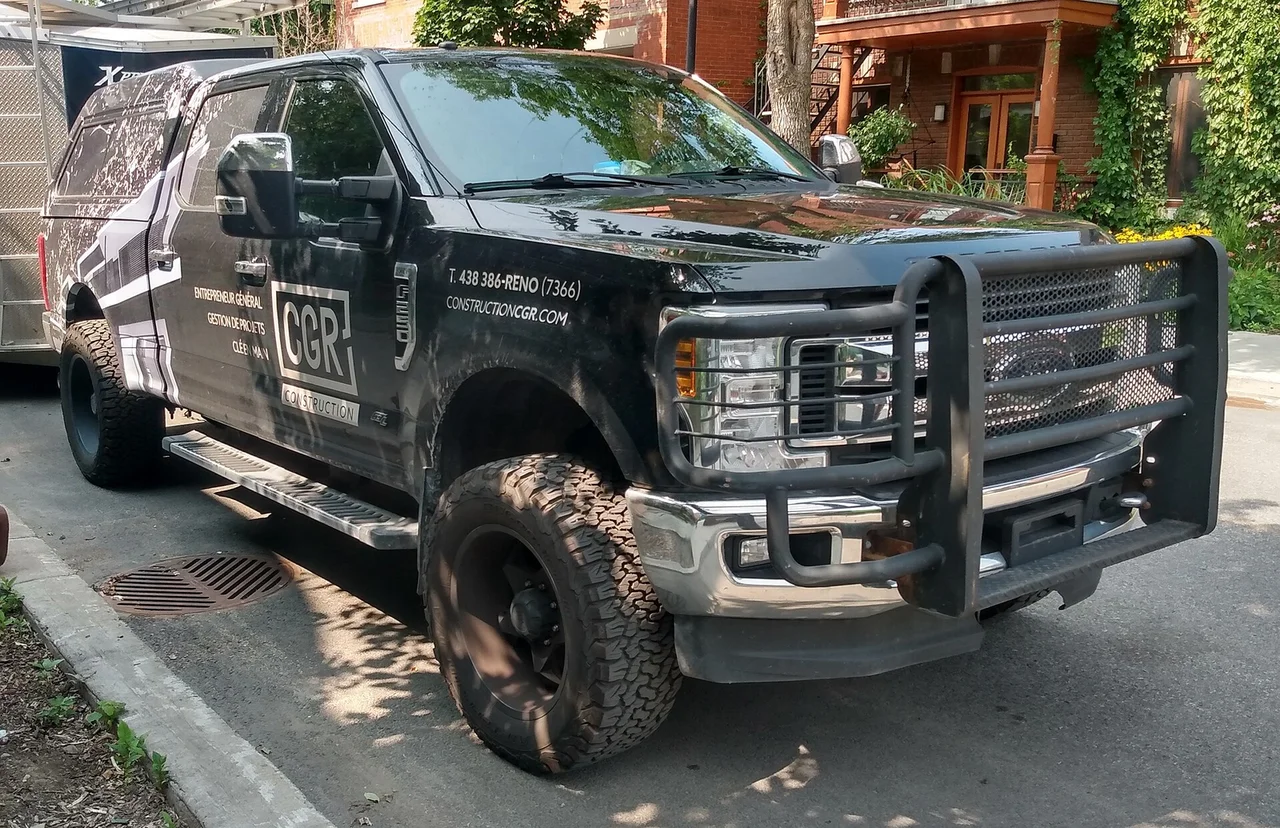
Tie rod ends on a 2017 F-250 carry the steering loads of a heavy-duty pickup, often with large tires, towing or plow work added. Choosing a replacement is less about brand names than about matching your truck's steering configuration, recognizing which construction details matter, and budgeting for the alignment that follows installation. This guide covers those decisions so your shortlist fits both the truck and the way you use it.
Define the job the product must do
Start by confirming that a tie rod end is actually the worn part. Wandering, a clunk over bumps, an off-center steering wheel and feathered or uneven front tire wear can come from tie rod ends, but also from the drag link, ball joints, track bar, steering damper or steering gear. An inspection for joint play, with a helper rocking the steering wheel while you watch each joint for movement before the wheels respond, narrows down the source. Any inspection that puts you under the truck requires proper vehicle support: lift at the points listed in your owner's or service information and rest the truck on rated jack stands, never on the jack alone.
Next, describe how the truck is used. A mostly stock F-250 used for commuting and occasional towing is usually well served by a part built to original-equipment dimensions. A truck that pushes a plow, runs much larger tires, works off-road or sits on a lift places more load and different angles on the steering linkage. Those conditions are where heavier-duty or adjustable designs may earn their extra cost, and where you need to know what has already been changed on the truck before ordering anything.
Check compatibility
The 2017 model year introduced a redesigned Super Duty, so do not assume a part listed for an earlier or later truck fits yours. Confirm fitment for the 2017 F-250 specifically, then narrow it by drivetrain, since two-wheel-drive and four-wheel-drive trucks can use different steering components. The most reliable route is a parts lookup by VIN through a dealer or a catalog that supports VIN decoding, followed by a side-by-side comparison with the part you remove.
Pay attention to how listings are divided. Some sell individual ends identified by side or position, others sell a complete tie rod assembly with ends and adjusters already fitted. Check the taper that seats in the knuckle or linkage mounting points, the thread size and direction where the end meets the adjusting sleeve or tube, and whether the steering damper clamps to the tie rod at a particular location. If the truck has a lift kit or aftermarket steering, the original linkage may already have been replaced, and the correct part then depends on that kit rather than the factory catalog.
Features that affect the choice
The most practical difference between designs is greasable versus sealed. A joint with a grease fitting lets you purge old lubricant and contaminants, which suits trucks that see mud, water, salt or plow duty, but it only helps if you actually service it. A sealed joint needs no routine lubrication, yet once its boot tears and dirt gets in, it cannot be renewed. Either way, boot material and fit matter, because a damaged boot is a common starting point for wear.
Labels such as heavy-duty, severe-service or OE quality are marketing terms unless backed by details you can check. Useful evidence includes published dimensions such as stud or ball size, the housing material and manufacturing method, clear fitment notes for your configuration, included hardware such as a castle nut and cotter pin or a locking nut, and written warranty terms. Adjustable or larger-diameter assemblies can make sense on lifted trucks with bigger tires, but they should be chosen to match the lift and other steering parts, not as a general upgrade for a stock truck.
Limitations and ownership costs
Replacing a tie rod end changes front toe, so a wheel alignment is part of the job, not an optional extra. Counting threads or measuring the old part helps you get close enough to drive to the shop, but it does not replace a proper alignment. Include that cost when comparing options, along with tools such as a tie rod separator and a torque wrench. Tighten every fastener to the fastener specification in Ford service information or the part maker's instructions, and use new cotter pins or locking hardware where called for.
A new tie rod end cannot correct problems elsewhere. Worn ball joints, a loose track bar, a tired steering damper or play in the steering gear will still cause wander and tire wear. Changes in ride height from a lift or leveling kit also alter steering geometry, and a tie rod end alone will not restore correct angles. Greasable parts need periodic lubrication, and all joints benefit from inspecting the boots whenever the truck is serviced. If a joint already has obvious play, have it replaced promptly rather than estimating how far it can still be driven.
Build a practical shortlist
First, confirm the need: the worn joint has been identified by checking for play, and related steering and suspension parts have been inspected. Second, confirm fitment: the part is listed for a 2017 F-250 with your drivetrain, the VIN lookup agrees, and the position, taper, threads and damper mounting match the part being removed or any aftermarket linkage already installed.
Third, compare features against your use: greasable or sealed, boot design, published dimensions and materials, included hardware and warranty terms, with heavy-duty or adjustable options reserved for trucks whose load, tire size or ride height justify them. Finally, compare the total cost rather than the part price alone, including alignment, any special tools and the service time a greasable design will need. A short list of two or three parts that pass every check is more useful than chasing an unsupported best-product ranking.