Choosing Steering Linkage for a 2017 Ford F-250
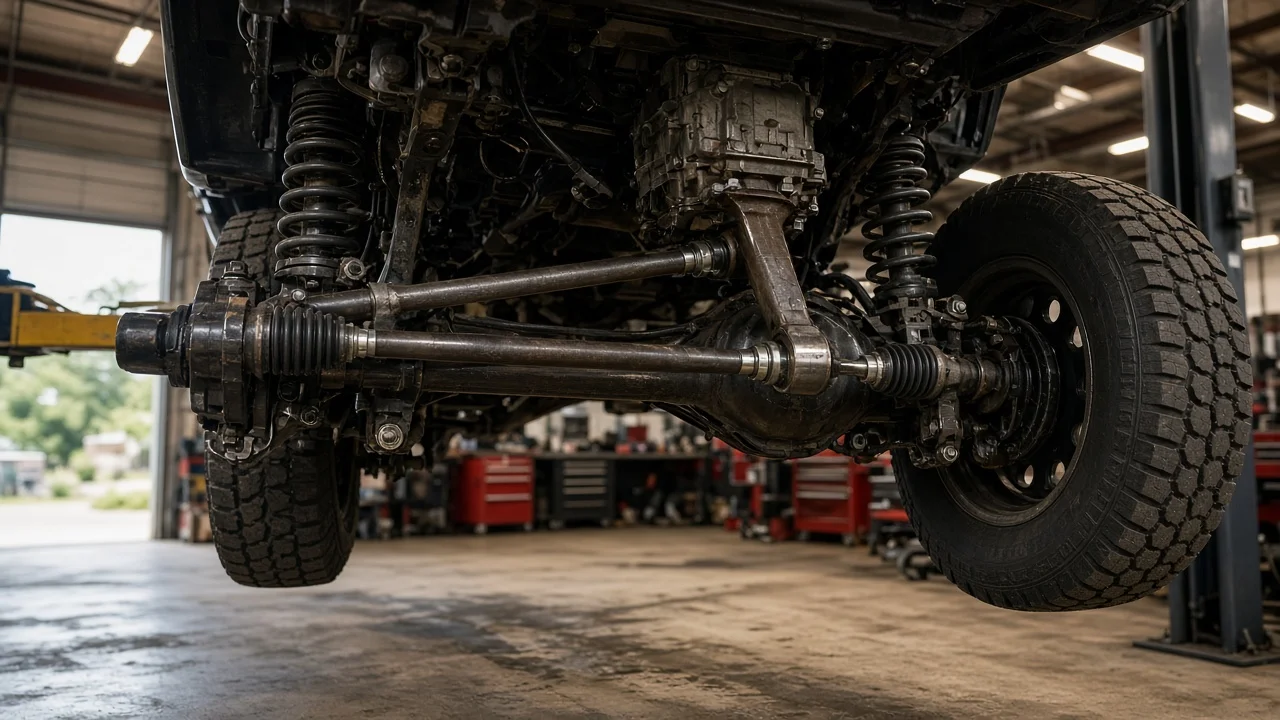
Shopping for steering linkage for a 2017 F-250 usually starts with a symptom: wander on the highway, a clunk over bumps, an off-center steering wheel or a tie rod end that failed inspection. The right parts depend on how your truck is configured and how you use it, not on how heavy the box looks. This guide covers matching the linkage to the truck, the features that matter, what ownership involves and how to narrow your options before ordering.
Define the job the product must do
Steering linkage on a Super Duty means the parts that carry motion from the steering gear to the front wheels: the Pitman arm, drag link, tie rod, their ball-type ends and adjusting sleeves, plus the steering damper attached to the linkage. Before buying anything, confirm which part is actually worn. With the truck on the ground and the engine running, have a helper rock the steering wheel back and forth while you watch each joint. Any joint play where one side moves before the other points to that joint. A worn track bar, ball joints, wheel bearings or a loose steering gear can produce similar looseness, and new linkage will not cure them.
Next, be honest about the truck's job. A stock-height F-250 used for commuting and occasional towing is well served by quality replacement parts. A leveled or lifted truck on larger tires, a plow truck or one that sees rough trails puts more load on the linkage and may justify a heavier-duty design. Also decide whether you will install the parts yourself or pay a shop, because that affects which kit makes sense and what it really costs.
Check compatibility
Start with drivetrain. Two-wheel-drive and four-wheel-drive 2017 F-250s use different front-end hardware, so a listing that simply says F-250 is not enough. Use your VIN with the parts supplier or a Ford dealer to confirm the exact application, and note whether the listing is limited by production date, drivetrain or suspension package. If the truck has been modified, inspect what is actually installed: a previous owner may have fitted an aftermarket tie rod, drag link or drop Pitman arm, and replacement parts must match those, not the factory catalog.
Ride height matters too. Leveling and lift kits change linkage angles, and some kits rely on a specific drag link, Pitman arm or adjustable track bar to keep the steering geometry and bump steer under control. Check that the linkage is listed for your lift height, that tapers match the knuckle and Pitman arm, and that steering damper mounting points line up with the new tube. Tire size and wheel offset also matter, because larger tires and aggressive offsets can reduce clearance to the tie rod at full lock.
Features that affect the choice
The main decision is OEM-style replacement versus an upgraded heavy-duty assembly. OEM-style parts restore factory geometry and feel, are usually the least expensive option and are appropriate for an unmodified truck. Heavy-duty assemblies typically use larger or thicker-wall tubes, bigger joints and sometimes a different tie rod or drag link layout. They resist bending better when tires get bigger or the truck is used off-road, but they add weight, may need different damper hardware and can cost substantially more.
Look closely at the joints. Greaseable ends can be serviced and may last longer if you keep up with them, while sealed ends need no maintenance but cannot be refreshed. Assemblies with replaceable ends let you swap one worn joint instead of buying a whole tube. Good boots, solid jam nuts and clear adjustment sleeves make alignment easier. Treat marketing labels with care: phrases like bolt-on, lifetime and stops death wobble are claims, not evidence. Violent front-end shake on solid-axle heavy-duty trucks can come from several worn or loose parts, tire problems or incorrect alignment, so no single linkage part can promise to fix it. More useful evidence is a clear application list, published dimensions, detailed installation instructions, availability of replacement joints and readable warranty terms.
Limitations and ownership costs
Replacing a tie rod or drag link changes toe and steering wheel position, so budget for a professional wheel alignment right after installation. Choose a shop equipped for heavy-duty trucks, and expect to pay more if the alignment involves a lifted truck or adjustable parts. Installation also needs proper vehicle support: lift on a level, solid surface, place rated jack stands at suitable points and never work under a truck held only by a jack. Separating tapered joints usually requires a puller or separator tool, and a solid front axle can shift when weight comes off it, so plan the work.
Tighten every fastener to the fastener specification in Ford service information or the linkage maker's instructions, use new cotter pins and replace any nuts the instructions say not to reuse. Some makers recommend rechecking fasteners after an initial drive period; follow their instructions. Greaseable joints need regular service, and boots should be inspected whenever the truck is serviced. Keep in mind what linkage cannot do: it will not correct a worn steering gear, failed ball joints, a sloppy track bar, damaged tires or a bent axle component. A stiffer steering damper can hide those faults temporarily without fixing them.
Build a practical shortlist
Narrow the options with a short checklist. First, confirm the diagnosis and list every worn part, not just the loudest one. Second, confirm the application by VIN, drivetrain and ride height, including any lift or leveling kit already installed. Third, decide between OEM-style and heavy-duty parts based on tire size, load and terrain rather than appearance. Fourth, compare only parts with clear fitment listings, installation instructions and stated warranty terms.
Then compare total cost, not just the price on the box: parts, any damper or bracket changes, tools you would need to buy or rent, labor if a shop does the work, and the alignment. If two options are similar, favor the one with replaceable joints and better documentation. If inspection turns up worn track bar bushings, ball joints or steering gear problems along with the linkage, or if the truck is lifted with geometry you are unsure about, have a suspension specialist inspect the front end before you order so you buy everything once.