2017 Ford F-250 Locking Hub Fitment: How to Get the Right Hub
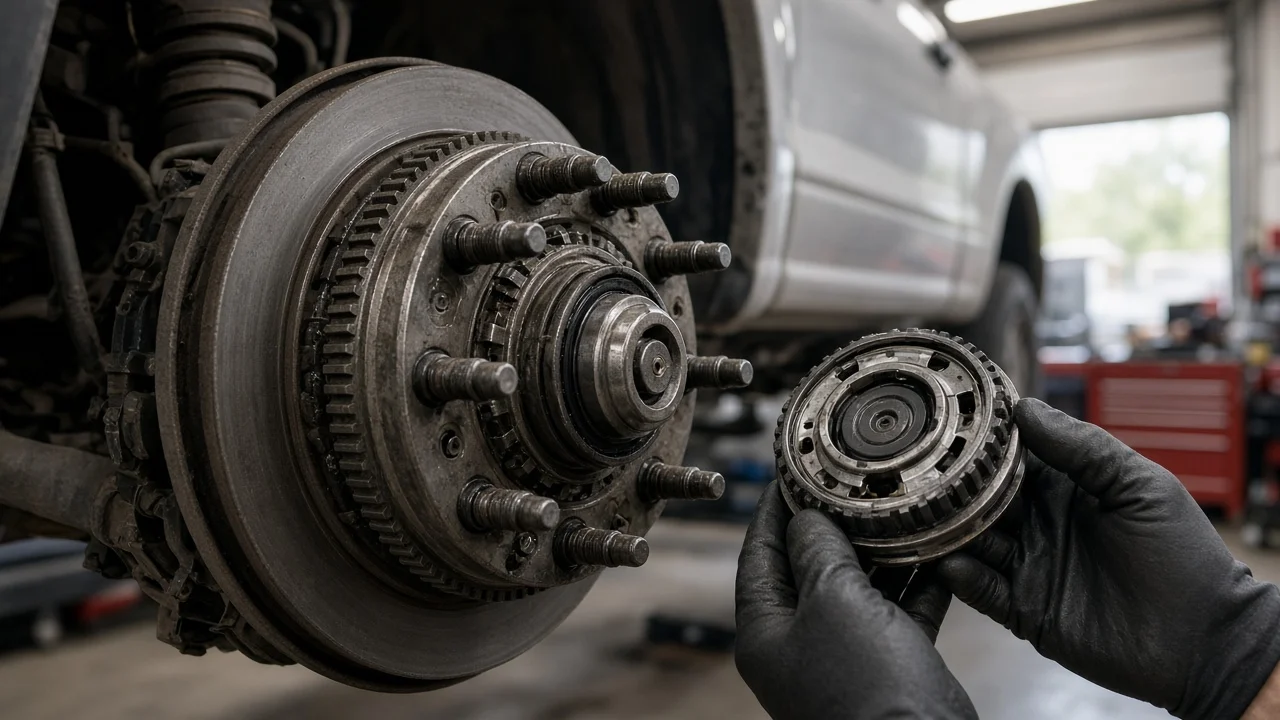
Shopping for locking hubs for a 2017 Ford F-250 is less straightforward than it looks. The 2017 model year began a new Super Duty generation, and 4x4 trucks left the factory with different hub setups depending on trim and options. This guide explains which hubs apply, how they work, what affects fitment and how to confirm the correct part for your specific truck before you buy.
Which Locking Hubs Fit a 2017 F-250
Only 4x4 versions of the 2017 F-250 use front locking hubs; two-wheel-drive trucks have no hub of this kind to replace. On 4x4 trucks, the front axle was equipped with either manual locking hubs or auto-locking hubs that also include a manual lock position, with the choice tied to trim level and the four-wheel-drive option. A replacement must match the hub type your truck has, the generation of its front axle and the way it mounts to the wheel hub assembly.
Because 2017 started the fourth-generation Super Duty, do not assume that a hub listed for a 1999–2016 truck is correct just because the model name is the same. Treat any fitment claim, including a seller's, as provisional until it is matched to your truck's VIN or verified against the original part number on the hub you are replacing.
How Super Duty Locking Hubs Work
The F-250's four-wheel-drive system is part-time. In two-wheel drive, the front wheels turn on their bearings while the front axle shafts stay largely idle, which reduces drag and wear on front driveline parts. A locking hub is the coupler between the outer end of each front axle shaft and the wheel. When it is locked, the axle shaft and wheel turn together, so torque sent from the transfer case through the front differential reaches the tire.
With manual hubs, you turn the dial on each front wheel to the lock position before engaging four-wheel drive and return it to free when you no longer need it. Auto-locking hubs on Super Duty trucks engage themselves when four-wheel drive is selected, typically using vacuum supplied through lines routed to the steering knuckles, so the driver can stay in the cab. Their dial has an auto position for normal use and a lock position that mechanically engages the hub, which is useful in deep snow or mud and as a backup if the automatic function fails.
What Changes the Fitment Answer
The first variable is hub type. Replacing a manual hub with another manual hub is the simplest swap. Replacing an auto-locking hub like for like keeps the factory behavior, but the new unit must seal correctly to the vacuum circuit to work in auto mode. Some owners consider converting an auto-hub truck to manual hubs after repeated vacuum problems; whether a particular conversion kit suits your truck, and what it changes, depends on the kit maker's stated fitment rather than a general rule.
The second variable is the actual vehicle configuration rather than the badge. Drivetrain, front axle and changes made by previous owners all matter. Lift kits, aftermarket hubs already installed, replaced knuckles or wheel hub assemblies taken from another truck mean the parts on the vehicle may not match the original build. Service history helps here: a truck that has already had hubs replaced may carry a different brand or design than the one Ford installed.
Finally, part supersessions happen within a generation. Ford sometimes replaces an original part number with a newer one, and aftermarket catalogs may split a model year by build date. If a listing asks for production date or other qualifiers, take those questions seriously rather than ordering by year and model alone.
How to Confirm the Right Hub for Your Truck
Start with a visual inspection of the front wheels. Read the dial on each hub: free and lock positions point to manual hubs, while auto and lock positions indicate auto-locking hubs. On auto-hub trucks you may also see small vacuum lines near the back of the steering knuckle. Note any brand name or part number marked on the hub, and photograph it before removal.
Next, confirm the part. A Ford parts counter can look up the original hub by VIN, which reflects the truck's factory build. For an aftermarket hub, compare the seller's fitment notes with your truck's drivetrain, hub type and the production date shown on the driver's door jamb label. If possible, compare the old and new hubs side by side for bolt count, spline engagement and overall shape before installation.
If you are replacing a hub because of a problem, confirm the hub is actually the cause. Grinding or clicking from a front wheel in four-wheel drive, or front wheels that do not drive even though 4x4 shows as engaged, can come from the hubs, vacuum leaks, the transfer case or wheel bearings. With auto hubs, turning the dial to lock and testing four-wheel drive is a simple way to see whether the mechanical side of the hub engages while the automatic side does not. Install any replacement following the manufacturer specifications for fastener torque and sealing, and record the work in the truck's service history.
Limitations and When to Get Help
This article cannot confirm a specific part number for your truck, because fitment depends on how that individual F-250 was built and what has been changed since. There is also no universal replacement interval for locking hubs; their condition depends on operating conditions such as water crossings, road salt, mud and how often four-wheel drive is used. Follow the inspection guidance in the owner's manual and the maintenance schedule that matches your usage.
Seek professional help if vacuum diagnosis is needed, if the wheel bearing or hub assembly shows play or noise, or if removing the hub reveals damaged splines or seals. A technician with Ford service information can test the vacuum circuit, check the front axle and confirm the correct parts. The practical next step is simple: identify your hub type, get a VIN-based part lookup and compare that result with any hub you are considering.