2016 VW Jetta 1.4 Turbo Wastegate Actuator: Identification
Answer the main question
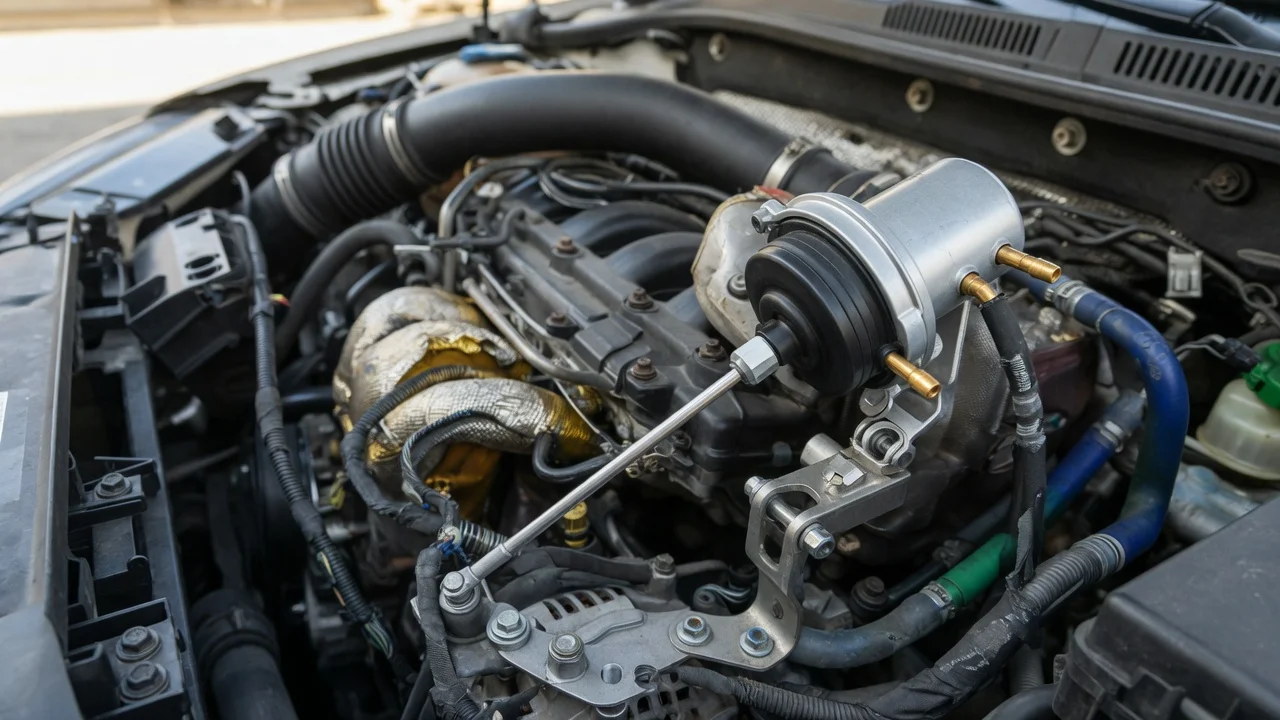
On the 2016 Volkswagen Jetta with the 1.4-liter turbocharged gasoline engine, the wastegate actuator is the vacuum-operated or electronic control device mounted on or near the turbocharger compressor or turbine housing. It is connected to the wastegate lever by a short rod so the assembly can regulate boost pressure by opening a bypass path for exhaust gas. Identification depends on the exact vehicle configuration: some 1.4 turbo engines use an actuator that is integral to the turbocharger or supplied only as part of a turbo assembly, while others accept a separate replacement actuator. The precise part number, electrical connector style and vacuum connection vary by the factory turbocharger used in the vehicle, so the actuator should be matched using the production turbocharger rather than only the 1.4-liter engine code.
For owners, the most reliable starting point is visual confirmation. Look at the back or upper side of the turbocharger after removing the engine cover and locating the turbo intake or outlet plumbing. The actuator will have either a rod leading to a pivoting wastegate arm or an electronic module plugged into the turbocharger. The vehicle configuration and exact build date can affect connector pin count, vacuum port position and calibration, so matching the new actuator to the existing unit and wiring requires checking the original component rather than assuming interchangeability across all 1.4 turbo Jettas.
How it works
The wastegate protects the turbo system from excessive boost. As exhaust gas spins the turbine, the compressor builds pressure in the intake. When the engine control system determines that boost has reached the desired level, it commands the actuator to move the wastegate lever. This opens the wastegate flap and lets some exhaust gas bypass the turbine wheel, limiting turbocharger speed and intake pressure.
On the 2016 Jetta 1.4 turbo, the actuator may respond to vacuum or to a direct electronic signal depending on the application. A vacuum design changes boost response by pulling or releasing the rod attached to the wastegate arm, while an electronic design uses an internal motor and position sensor to place the arm at a specific angle. In both cases the actuator must move smoothly through its full travel and return to a predictable rest position; a binding actuator, damaged rod, cracked vacuum line or failed position sensor can allow boost that is too low, fluctuating or high enough to trigger a trouble code.
What changes the answer
The main variation is the turbocharger configuration installed on the vehicle. Volkswagen has used different turbo suppliers and actuator styles on the 1.4-liter gasoline turbo family, so the same model year can have an electronic actuator on one build and a vacuum actuator on another. The original service history matters too: if a previous repair installed a different turbocharger revision or a remanufactured unit, the replacement actuator may have a revised part number or a different connector even though it visually resembles the original.
Operating conditions affect inspection but do not change the part identity. A vehicle driven with frequent short trips, sustained highway boost or dusty conditions may show more wear at the actuator rod, heat shield or connector, but that wear is a condition finding rather than a specification change. The owner should use the factory turbocharger identification, production configuration and any applicable service bulletins to narrow the correct actuator rather than general aftermarket catalog claims.
What the owner can do
Start with a careful inspection of the existing actuator. With the engine off and the key removed, remove the engine cover and use a bright light to locate the turbocharger. Check the actuator for a part number label, connector shape, vacuum fitting and rod condition. Lightly move the wastegate arm by hand where accessible and feel for rough travel, excessive free play or a seized linkage. Do not use force on an electronic actuator or bend the rod, because the adjustment changes boost calibration.
Read any stored diagnostic trouble codes if the check engine light is present. Codes related to boost pressure, wastegate performance or actuator sensor circuits are only the beginning of identification: they can point to the actuator circuit, but a damaged hose, failed turbocharger internal wastegate, wiring fault or incorrect adaptation can produce similar symptoms. Record the original actuator number and any wiring colors before ordering a replacement, and compare the new part physically to the removed unit before installation.
Limitations and next step
Catalog data alone is not enough to establish fitment because the 2016 Jetta 1.4 turbo may use a turbocharger that does not list the actuator as a separate service part. Manufacturer specifications, the vehicle identification number and the existing turbocharger identification are needed for a confident match. If the original label is unreadable or the actuator differs from any listed replacement, avoid substituting based on appearance alone.
The next step is to verify the actuator identity at the installed turbocharger and compare it with the applicable manufacturer catalog for the exact build. If an electronic actuator is replaced, many of these systems require a subsequent adaptation procedure using a service tool to match the new sensor range to the engine control module. When the part is unavailable separately, the manufacturer may require the complete turbocharger assembly. In those cases, or when the inspection is uncertain, have a qualified Volkswagen technician confirm the configuration and the required actuator part number before changing components.