2016 Honda Pilot Shift Lock Release: How to Get Out of Park
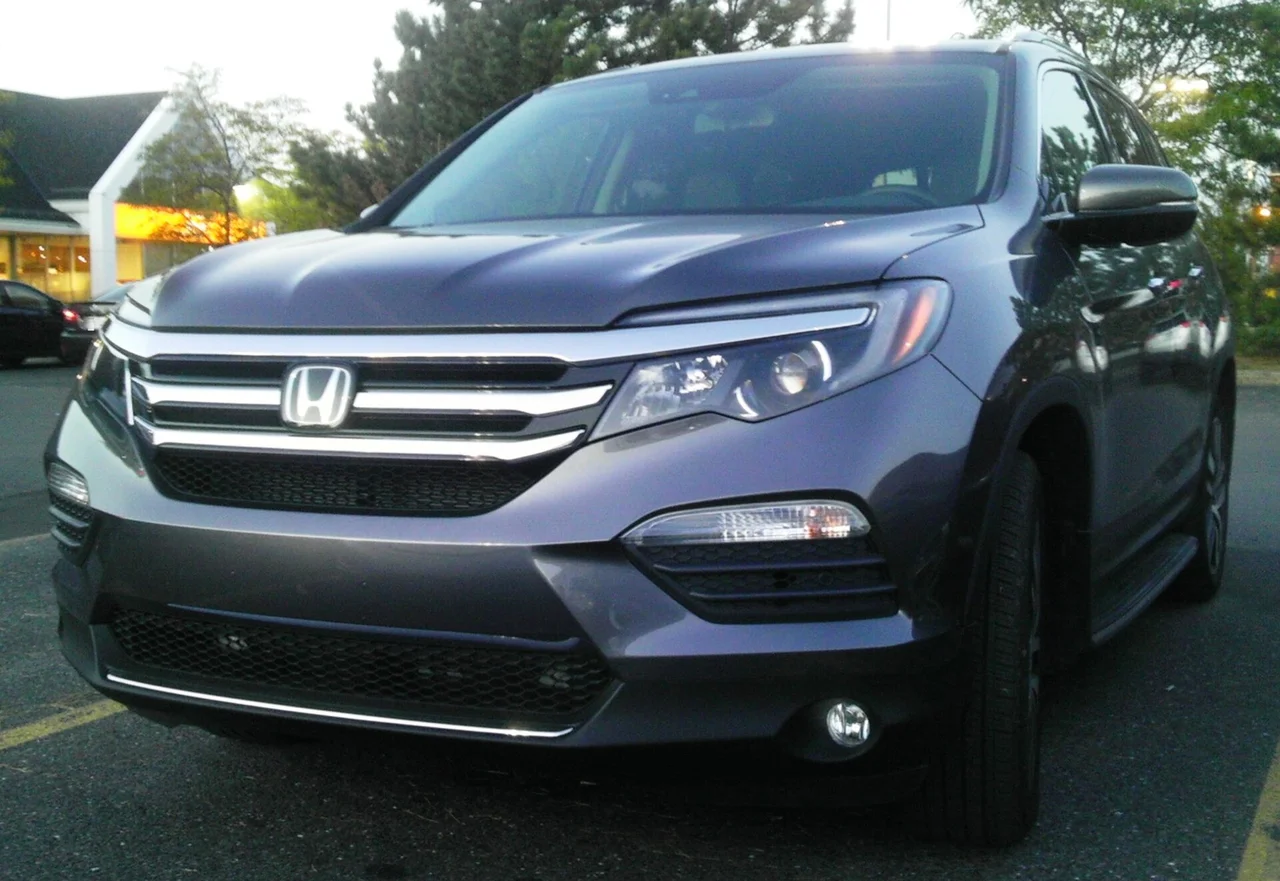
If your 2016 Honda Pilot will not come out of Park, the shift lock release lets you move the transmission to Neutral so the vehicle can be pushed, towed or loaded. How you do it depends on which gear selector your Pilot has. This model year was built with either a conventional console lever or an electronic push-button selector. Below is how the release works, what it does not fix, and what to check next.
The Short Answer
On a 2016 Pilot with a conventional shift lever, the manual release is a slot in the center console next to the lever, hidden under a small cover. First set the parking brake firmly and turn the power off. Then carefully remove the cover, ideally with a cloth-wrapped flat blade to avoid scratching the trim. Insert the key into the slot and push down, press the lever's release button, and move the lever to Neutral. The lever should then move freely. On key-start vehicles, use the ignition key. On push-button-start vehicles, use the mechanical key blade stored inside the smart remote.
This is an override, not a repair. It moves the transmission out of Park for a specific purpose, such as getting the vehicle onto a flatbed, and the cause of the lock still needs to be found. Pilots with the push-button gear selector do not use this key-slot procedure. That configuration is covered below.
How the Shift Interlock Works
The shift lock is part of the brake-shift interlock. A small electric solenoid at the base of the shift mechanism physically blocks the lever from leaving Park until two conditions are met: the vehicle is powered on and the brake pedal is pressed. The brake signal usually comes from the same brake pedal switch circuit that turns on the brake lights. When the system sees both conditions, it energizes the solenoid, the block retracts, and the lever can move.
The solenoid needs both electrical power and a brake signal. Anything that interrupts either one can leave the lever stuck in Park even though the transmission itself is fine. Possible causes include a weak or dead battery, a blown fuse in the brake light or interlock circuit, a misadjusted or failing brake pedal switch, a failed solenoid, or debris and spilled liquid in the console. Any of these can produce the same symptom. The release slot simply pushes the blocking mechanism aside mechanically, bypassing the electrical side entirely.
Lever or Push-Button: What Changes the Procedure
The 2016 Pilot is the first year of the third generation, and the gear selector is tied to the transmission type. Lower and middle trims generally use a six-speed automatic with a traditional console lever. The upper Touring and Elite trims generally use a nine-speed automatic with push-button gear selection. Confirm what you have by looking at the console rather than relying on the trim name alone, because the selector is what determines the release procedure.
On push-button models there is no lever to unlock with a key. Shifting is controlled electronically, so if the battery is dead the first step is usually to restore power with a jump start or battery charger. Then try selecting Neutral normally with the brake pressed. The owner's manual for that configuration covers how to keep the transmission in Neutral, for example for a car wash. It also describes any emergency release procedure specific to that selector. Follow the documented procedure for your vehicle rather than improvising. If the selector still will not respond with a charged battery, treat it as a fault to diagnose. Do not assume fitment of parts or procedures from other Honda models or years.
What You Can Check and Do
Before using the release, gather a few observations that help narrow the cause. With the vehicle powered on, have someone watch the rear while you press the brake pedal. If the brake lights do not come on, the problem is more likely in the brake light fuse, switch or wiring than in the shift mechanism. Note whether the dash lights are bright and the engine cranks normally, because dim lights or slow cranking point toward the battery or its connections. Also listen for a faint click near the console when you press the brake, which some owners can hear when the interlock releases. A click without lever movement suggests a different problem than complete silence.
If the vehicle is parked on a slope, its weight resting on the parking pawl can make the lever feel locked even when the interlock is working. In that case, press the brake firmly, set the parking brake, and then try the lever with firm, steady effort. If you must use the release, keep the parking brake applied and use it only to move to Neutral for pushing or towing. Return the lever to Park as soon as the vehicle is positioned. Do not drive regularly while relying on the override. The interlock is a safety feature that prevents the vehicle from being shifted out of Park without the brake applied.
Limits and When to Get Help
These checks point toward a cause but do not confirm a failed part. Brake light symptoms can come from a fuse, a switch, a connector or wiring, and a stuck lever with working brake lights can still have several explanations. Before anyone replaces components, it helps to scan for diagnostic codes and check the relevant fuses using the fuse chart for your vehicle. Also review the service history for previous battery, brake switch or console work.
Use the owner's manual for your exact configuration as the authority on the release procedure, especially on push-button models. Get professional help if any of the following apply: the lever or selector will not leave Park after the release, warning lights or transmission messages appear, shift behavior is abnormal once you get moving, or the vehicle has to be towed. A dealer or transmission shop can check whether any open recalls or service bulletins apply to your vehicle. They can then recommend repair options once the actual cause is identified.