2016 Chevy Cruze Brake Vacuum Pump: Part Identification and Compatibility
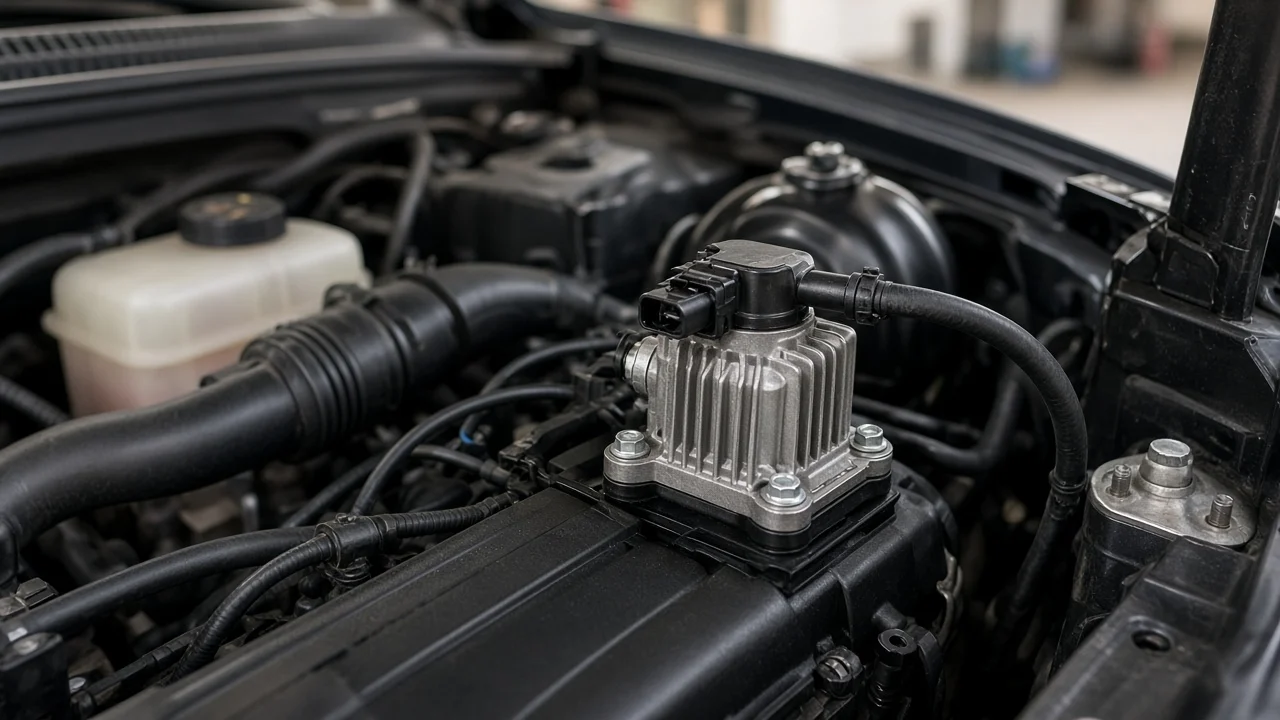
A hard brake pedal or a hiss from the engine bay on a 2016 Chevrolet Cruze often points owners toward the brake vacuum pump. Finding the right replacement is harder than the model year suggests, because 2016 is the year Chevrolet sold two different Cruze designs side by side. This guide explains what the pump does, how to tell which version you own, and what to check before you buy or fit a part.
Which vacuum pump fits a 2016 Cruze
There is no single brake vacuum pump for every 2016 Cruze. For that year, Chevrolet sold the carryover first-generation car as the Cruze Limited alongside an all-new second-generation Cruze sedan. The two share a name but not an engine bay. Treat brake booster and vacuum parts as non-interchangeable between them unless a parts catalog shows the same part number for your specific VIN.
Whether your car has a dedicated pump at all depends on the engine. Turbocharged engines produce little or no intake vacuum under boost, so the 1.4-liter turbo (RPO code LE2) in the new-generation 2016 Cruze uses an engine-driven vacuum pump to supply the brake booster. On a Cruze Limited, the vacuum source depends on which engine is fitted. Confirm on the car whether a separate pump is present before ordering anything. In short, the correct part is found by matching the VIN and engine code, not the model name and year alone.
How the pump supports the brake booster
The brake booster is the large round canister behind the master cylinder on the driver's side of the firewall. Inside it, a diaphragm separates two chambers. With the pedal released, both sides hold vacuum. When you press the pedal, a valve lets outside air into the rear chamber. The pressure difference across the diaphragm pushes the master cylinder pushrod with much more force than your foot alone. The master cylinder then pressurizes the brake fluid, which moves each caliper piston and clamps the brake pads against the brake rotors.
The vacuum pump keeps the booster supplied. An engine-driven pump is turned by the engine and draws air out of the booster through a hose with a one-way check valve. Because it is lubricated by engine oil, a worn pump or failed seal can leak oil externally or push oil toward the booster hose. Many modern GM vehicles also have a booster vacuum sensor that reports to the engine computer and can set a diagnostic trouble code. When vacuum assist is lost, the hydraulic brakes still work, but the pedal becomes very hard and stopping distances grow sharply.
What changes the part and the diagnosis
Generation and engine are the two biggest factors. A second-generation 2016 Cruze and a 2016 Cruze Limited need different parts lookups. The engine code then determines whether a pump exists and which pump is used. GM also supersedes part numbers over time, so an updated pump may replace the original listing. That is normal, but confirm the replacement against your VIN rather than an older number stamped on the removed part. Gaskets, O-rings, the vacuum hose and the check valve are often sold separately. Plan to replace the sealing parts whenever the pump comes off.
Several faults can mimic a failed pump. A cracked or oil-soaked hose, a stuck check valve, a leaking booster diaphragm or a faulty vacuum sensor can each cause a hard pedal or a warning light. Conditions also matter. A hiss that changes when you press the pedal points toward the booster, while oil weeping from the pump body points toward the pump's seals. A hard pedal should also be kept separate from friction problems. Worn brake pads past their wear limits, glazed friction material or a sticking caliper usually cause noise, pulling or poor bite, not the sudden loss of power assist that a vacuum fault produces.
Checks to make before buying a replacement
Start with identification. In a 17-character VIN, the tenth character is G for a 2016 model, and the eighth character is the engine code. The service parts label, usually found in the glovebox or the trunk, lists RPO codes, including the engine. Give the full VIN to a parts counter or catalog so vehicle fitment is confirmed rather than assumed.
A basic assist test needs no tools. With the engine off, press the pedal several times to use up stored vacuum. Then hold steady pressure on the pedal and start the engine. The pedal should sink slightly as assist returns. Next, run the engine for a minute, switch it off, wait a short time and press the pedal. A healthy booster and check valve should still give some assist for at least one or two applications. A pedal that stays rock-hard with the engine running, or loses assist quickly after shutdown, points to the vacuum supply or the booster.
Then inspect visually. Look for fresh oil around the pump body and its mounting surface, a collapsed or cracked hose, and a loose check valve at the booster. Listen for hissing near the booster and along the hose route. If you have a scan tool, check for stored codes related to the brake booster pressure or vacuum sensor, and view its live reading if your tool supports it. Compare any measured vacuum against the service information for your engine, not a generic figure. If the pump is replaced, use new seals and follow the specified fastener torques. Clean or replace a hose that has oil inside it.
Limitations and when to get professional help
A pedal test and visual inspection can show that vacuum assist is weak, but they cannot always isolate the cause between the pump, hose, check valve, booster or sensor. Exact vacuum specifications, pump location, removal steps and torque values come from GM service information for your VIN. Ask a Chevrolet dealer to check for open recalls or service bulletins that may cover your car before paying for parts.
Treat a sudden hard pedal as a safety fault. Avoid normal driving until it is diagnosed, since the car needs far more pedal force and distance to stop. Have the car towed or inspected by a qualified technician if the brake warning light is on, the brake fluid level has dropped, or the pedal feel changes while driving. Booster replacement, master cylinder work and any job that opens the hydraulic system call for professional service, including correct brake fluid bleeding afterward.