2015 VW Jetta Shift Lock Release: How to Get the Shifter Out of Park
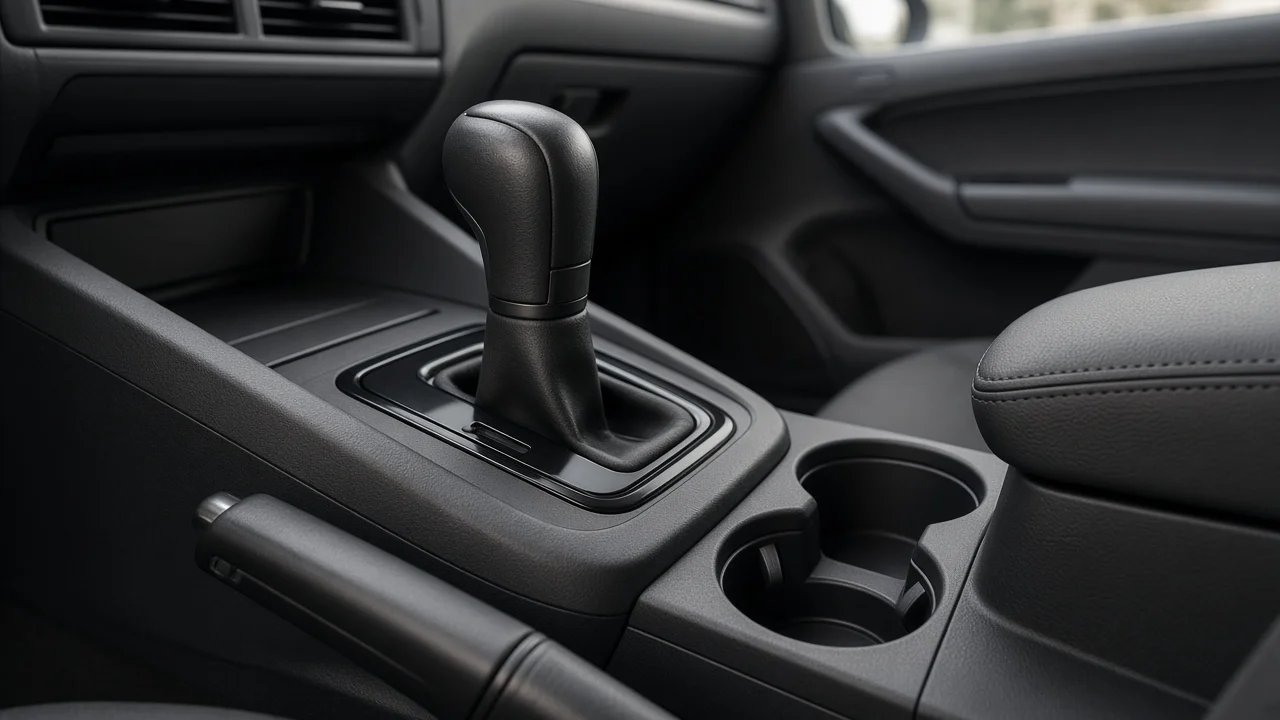
If the shifter on a 2015 Volkswagen Jetta refuses to leave Park, the shift lock is either missing one of the inputs it needs or something in that input chain has stopped working. The car has a manual override that lets you move the lever to Neutral for towing or pushing, but it is a temporary measure. This guide explains what the lock needs, how the override is generally used, and which checks help narrow down why the lock stayed engaged.
The short answer
On a 2015 Jetta with an automatic or DSG transmission, the shifter normally releases from Park only when the ignition is on, the brake pedal is pressed, and the button on the lever is pushed. If all three conditions are met and the lever still will not move, the emergency shift lock release can be used to unlock it manually so the car can be placed in Neutral. On this generation of console, access is generally through the trim around the shifter, where a small release is pressed with a flat tool while the lever is moved. The exact location and sequence for your car are given in the owner's manual, and that procedure should be followed rather than improvised. Before using the release, apply the parking brake and chock the wheels if there is any slope, because the car can roll once it is out of Park.
The override solves the immediate problem of moving the car, not the reason the lock stayed engaged. A Jetta that needs the manual release every time has a fault in the brake signal, the power supply or the lock mechanism itself, and that deserves diagnosis rather than a daily workaround. Cars with a manual transmission do not use this type of shift lock at all.
How the shift lock works
Inside the shifter assembly, an electrically operated lock, usually a small solenoid, holds a latch that blocks the lever in Park. When the electronics see the ignition switched on and the brake pedal pressed, the solenoid is energized and pulls the latch clear, allowing the lever to move. The brake input comes mainly from the brake light switch at the pedal, the same switch that turns on the brake lights. The purpose of the design is to prevent the car from being knocked out of Park without a foot firmly on the brake.
Because the release is electrical, the lock stays engaged whenever it lacks power or a valid brake signal. That is why a dead battery, a blown fuse, a faulty brake light switch or damaged wiring can all produce the same symptom: a lever that will not budge. The emergency release simply bypasses the solenoid mechanically, which is why it works even when the car has no power.
What changes the answer
Transmission type matters first. The 2015 Jetta lineup used a conventional six-speed automatic on several gasoline versions and dual-clutch DSG transmissions on others, such as the TDI, GLI and Hybrid. The shift lock principle is the same, but shifter assemblies, trim pieces and wiring can differ, so the release access and any replacement part must match your car's exact configuration. The owner's manual, the original window sticker, or service history paperwork can confirm which transmission is fitted, and a parts counter will need that information to check fitment.
Operating conditions also change the picture. If the battery is flat or very weak, the lock cannot release, and charging or jump-starting the battery usually restores normal operation without needing the override. If the brake lights do not come on, the brake signal path becomes the main suspect. Previous work on the console or shifter, a recently replaced brake light switch, or liquid spilled into the console can all affect how the mechanism behaves, so recent history is worth considering before assuming a component has failed.
What the owner can do
Start with the basics: ignition fully on, brake pedal pressed firmly, and the lever button pushed all the way in. Then check whether the brake lights work, using a helper or a reflection in a garage door or window. If they stay off when the pedal is pressed, a fuse, the brake light switch or its wiring is a likely area to investigate, though that observation alone does not confirm which part is at fault. Note any warning lights on the instrument cluster, and look for signs of a weak battery such as dim lights or slow cranking.
With the ignition on, press the brake and listen near the shifter. Many shift lock solenoids make a faint click when they operate; hearing it suggests the solenoid is getting a signal, while silence points toward power or signal issues, but neither is proof. Checking the relevant fuses using the chart in the owner's manual is a reasonable next step. A scan tool can read diagnostic codes, and a stored brake switch fault would support the brake signal theory, but a code identifies a circuit or plausibility problem rather than a confirmed failed part.
If you need to use the emergency release, do it only to move the car, such as loading it onto a tow truck or pushing it out of a tight spot. Keep the parking brake applied until you are ready to move, work gently on the trim so clips are not broken, and return the lever to Park with the parking brake set once the car is where it needs to be.
Limitations and next step
Release access and trim details can vary with the car's configuration, so the owner's manual for your specific Jetta remains the reference for the override procedure. Forcing the lever or prying hard on the console can break the shifter or trim and turn a simple electrical fault into a more expensive repair. If the brake lights are not working, treat that as a safety issue as well and avoid driving until it is corrected.
Professional help makes sense when the override is needed repeatedly, when codes are stored, or when basic checks do not reveal an obvious cause. A technician can watch the brake switch signal in live data, test power and ground at the shift lock solenoid, and inspect the shifter mechanism. Repair options range from a battery or fuse to a brake light switch or shifter assembly, so avoid buying parts on the symptom alone. If the lever moves normally but shift behavior afterward is unusual, that is a separate transmission concern and should be diagnosed on its own.