2015 Acura TLX Parking Brake Actuator: Fitment Guide
Answer the main question
On a 2015 Acura TLX, the rear parking brake actuator is not a single universal part for every trim level. The correct replacement depends primarily on the rear brake configuration: models with solid rear brake rotors and conventional rear calipers can use the actuator matched to that rear brake layout, while some vehicle configurations may use a different rear caliper arrangement or electronic parking brake control strategy. Fitment is also confirmed by the vehicle's original equipment part number rather than by visual similarity alone. An actuator listed for a different Acura model or for a later TLX year should not be assumed to interchange without checking the brake system configuration and the exact part reference for the vehicle.
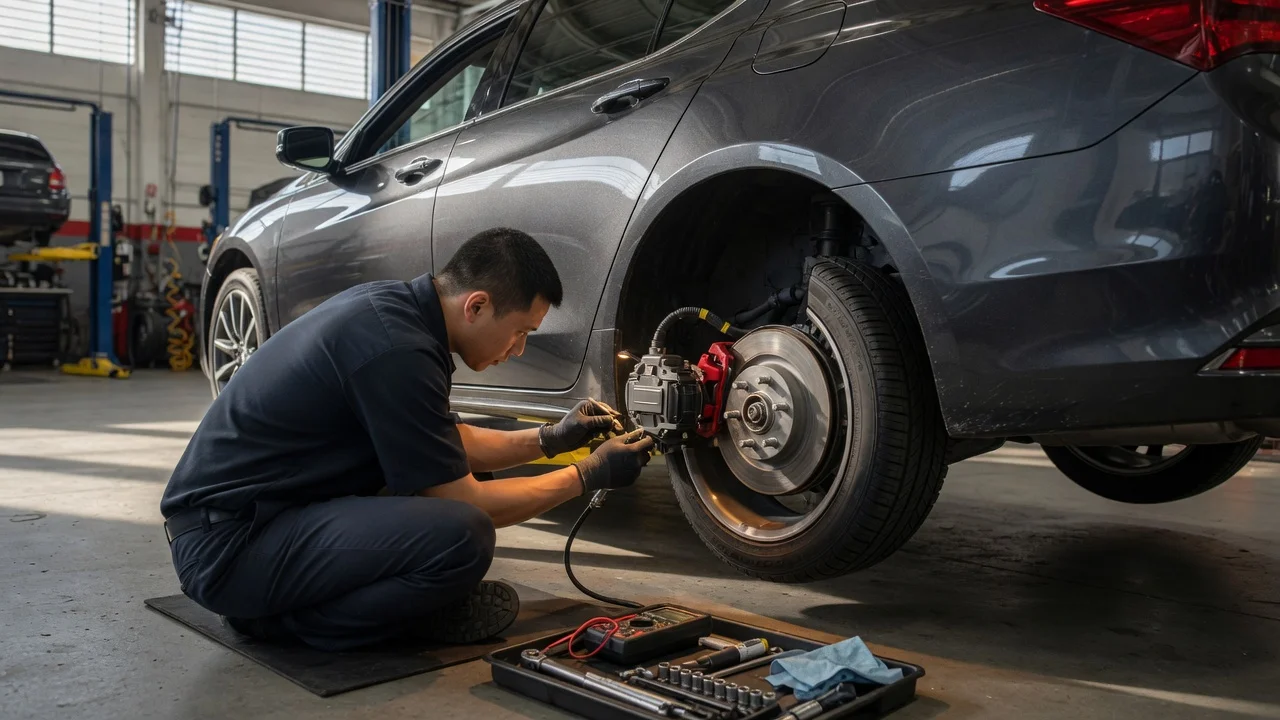
The parking brake actuator works as part of the rear braking assembly, so fitment should be evaluated together with the condition of the related rear brake components. The actuator moves the mechanism that applies and releases the parking brake, but correct operation also assumes that the brake pads, brake rotors, and rear brake calipers are within their service limits and free of binding or excessive wear.
How it works
The parking brake actuator converts an electrical command into mechanical movement at the rear brake. When the driver applies the parking brake, the actuator drives the rear parking brake mechanism to press the friction material against the rotor and hold the vehicle. Releasing the parking brake reverses the actuator movement and allows the rear brake assembly to return to the released position.
Because the actuator is tied to the rear brake caliper and rotor, it does not operate independently of the rest of the brake system. A jammed caliper, excessive brake pad wear, a damaged brake rotor, or a binding parking brake cable or mechanism can create symptoms that resemble actuator failure. For that reason, replacing the actuator should follow a diagnosis that separates an electrical or motor problem from a mechanical brake problem.
What changes the answer
Vehicle fitment can change with the rear brake package and regional specification. The rear brake rotor design and rear caliper style are the most important differences because the actuator must match the mechanism it is driving. A model equipped with one rear brake configuration may require a different actuator than a vehicle that appears otherwise identical but has a different brake option or market calibration.
Wear and operating conditions also change how the parking brake actuator behaves. A vehicle with heavily worn rear brake pads may require more actuator travel, while a vehicle with a seized rear caliper or contaminated brake fluid may develop slow apply-and-release behavior. These conditions can make a correct actuator appear faulty or cause a new actuator to work poorly if the underlying brake problem is not corrected.
What the owner can do
Before ordering a replacement, record the vehicle's original actuator part number or the full vehicle details needed for a fitment check. Use the trim level, transmission type where required, and rear brake configuration. A visual match is not enough because similar actuators can have different mounting points, connector orientation, travel, or software behavior.
Inspect the rear brake pads, brake rotors, and calipers when the parking brake is noisy, slow to release, or not holding correctly. Compare the brake pad friction material thickness against the vehicle's wear limits and check that the caliper slides freely. Correcting worn or seized rear brake components can restore normal parking brake operation without replacing a functional actuator.
Limitations and next step
Parking brake faults are not a routine do-it-yourself repair when the vehicle does not hold securely or the electronic parking brake warning remains active. A brake system that cannot reliably hold the vehicle should not be considered safe for normal use. Stop using the vehicle and have the rear brake system inspected by a professional brake technician who can confirm the correct actuator fitment and check the related rear brake components.
Some electronic parking brake systems require a diagnostic scan tool to release the actuator for service or to calibrate the parking brake after replacement. If the actuator is replaced without the correct service procedure, the system may not apply or release properly. A qualified shop with vehicle-specific service information can verify the replacement part, perform the necessary calibration, and confirm that the brake pads, brake rotors, and calipers meet the required condition and wear limits.