2014 Ram 3500 Front Axle Actuator Fitment
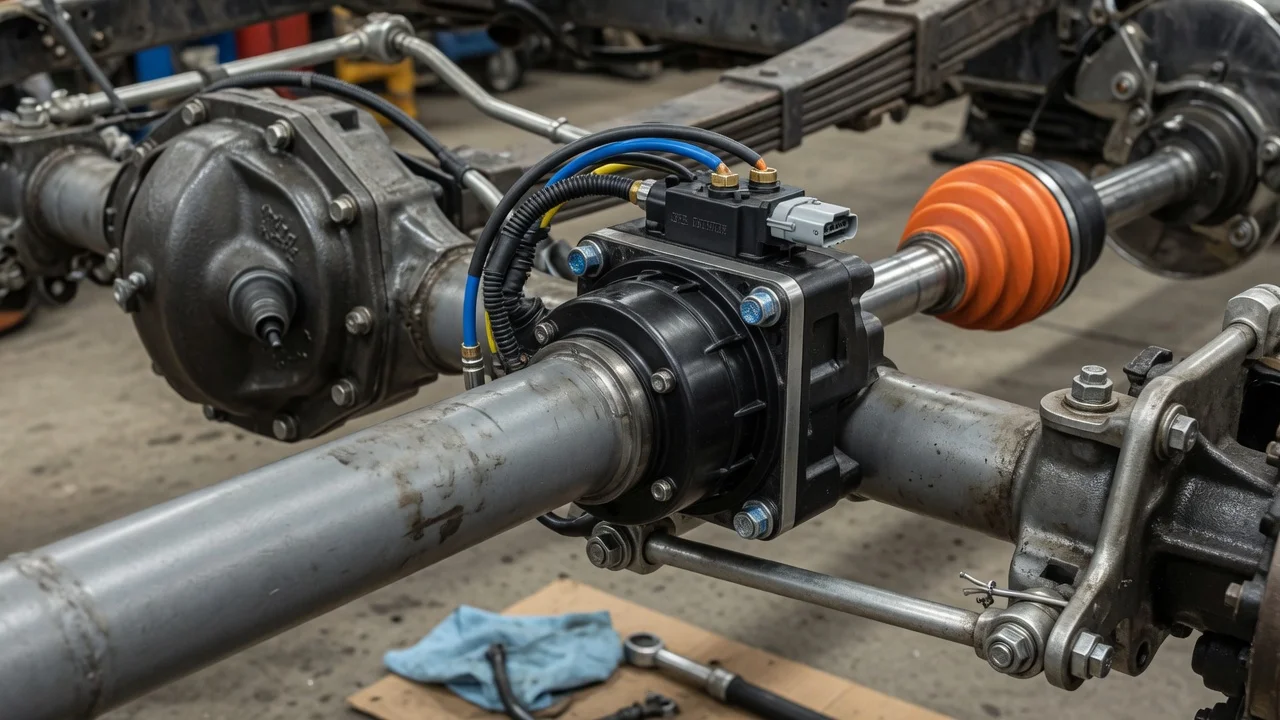
Finding the right front axle actuator for a 2014 Ram 3500 depends less on the model year than on how your specific truck was built. The part applies only to four-wheel-drive trucks, and within that group the drivetrain, front axle and factory options decide which actuator fits. This guide explains how to confirm fitment, what the actuator does, which details change the answer and what to check before you spend money on a replacement.
Which actuator fits a 2014 Ram 3500
An actuator listed for the 2014 Ram 3500 fits your truck only if it matches your exact vehicle configuration. Two-wheel-drive trucks have no front drive axle, so they have no front axle actuator. For four-wheel-drive trucks, parts listings are often divided by build details. A part that suits one 3500 from that year may not suit another, even when both trucks look alike from the outside.
The most dependable way to confirm fitment is a lookup by VIN, either through a dealer parts counter or a parts catalog that accepts a VIN. Compare the result with the part number or markings on the actuator now on the truck. If the VIN result and the installed part agree, and the electrical connector and mounting match, you can order with reasonable confidence. If a generic year, make and model listing disagrees with the VIN result or the original part, rely on the VIN result and the installed part.
How the front axle actuator works
On four-wheel-drive trucks with a front axle disconnect, part of the front driveline can be separated while the truck runs in two-wheel drive. This reduces how much of the front axle turns with the wheels. The actuator is an electrically controlled unit mounted on the front axle. It moves a shift fork and a sliding collar that connect or disconnect the axle shaft. When you select four-wheel drive, the truck's control system commands the actuator to engage, and torque from the front differential can then reach the front wheels. Selecting two-wheel drive reverses the process.
The actuator works together with the transfer case, the wiring harness and the vehicle's control modules. A four-wheel-drive problem therefore does not always mean the actuator has failed. A damaged wire, a corroded connector, a blown fuse, a worn shift fork or a fault on the transfer case side can cause similar symptoms. Diagnose the fault before you order a part.
What changes the answer
Drivetrain comes first, since only four-wheel-drive trucks use a front axle actuator. Next is the front axle itself and how it was equipped at the factory. The word actuator also covers several different parts. Some heavy-duty Ram trucks have electric differential lockers, and a locker actuator is not the same part as an axle disconnect actuator. Some sellers also call the transfer case shift motor an actuator, but that unit mounts on the transfer case and does a different job. Confirm which component you need before comparing prices.
The truck's history matters too. Manufacturers sometimes change parts during a model year or replace an original part number with a new one, so two trucks from the same year can need different actuators. If a previous owner repaired or modified the front axle, the original fitment may no longer apply. Check the service history and look at what is actually installed. Operating conditions such as road salt, standing water, mud and frequent water crossings do not change which part fits. They do affect how quickly the connector, wiring and seals deteriorate, which can make a sound actuator appear faulty.
What the owner can do
Start with the basics. Write down the VIN, then inspect the existing actuator for a part number or casting markings. Note the connector shape and pin count, the mounting pattern and the type of seal used. Record the symptoms, such as a flashing or missing four-wheel-drive indicator, front wheels that do not pull on a loose surface in four-wheel drive, or grinding or clicking from the front axle when shifting. Read stored diagnostic trouble codes with a scan tool that can access the four-wheel-drive related modules. A basic engine code reader may not show those codes.
Inspect the wiring next. Trace the harness from the actuator and look for chafing, broken clips, melted insulation or green corrosion inside the connector. Trucks driven in wet or salty conditions are especially prone to this. Check the related fuses using the owner's manual or service information. If replacement is justified, clean the mounting surface and use the correct new seal. If fluid was lost or the housing was opened, refill the front axle to the level and with the fluid type given in the manufacturer specifications. Afterward, test engagement at low speed in a safe place, following the procedure in the owner's manual.
Record the repair in the truck's service history, including the part number, date and the symptoms that led to it. These notes help with later diagnosis. Follow the maintenance schedule for your truck for front axle fluid service rather than a generic interval, because the correct interval depends on how the truck is used and what the manufacturer specifies.
Limitations and next step
This guide cannot confirm the correct part number for an individual truck. Catalog listings vary, and the manufacturer may update or replace part numbers over time. Only a VIN-based lookup checked against the installed part can settle fitment for your Ram 3500. Some faults also cannot be judged from outside the axle. A worn shift fork, a damaged collar or internal axle damage needs a hands-on inspection.
If codes and symptoms remain after you have checked the wiring, connector and fuses, or if you hear grinding from inside the axle, have a qualified technician with service information and a capable scan tool inspect the truck. The practical next step is the same in either case. Run a VIN lookup, compare it with the actuator on your truck, and confirm that the actuator is actually the cause before you buy a replacement.