2014 Ram 2500 Front Axle Actuator Fitment
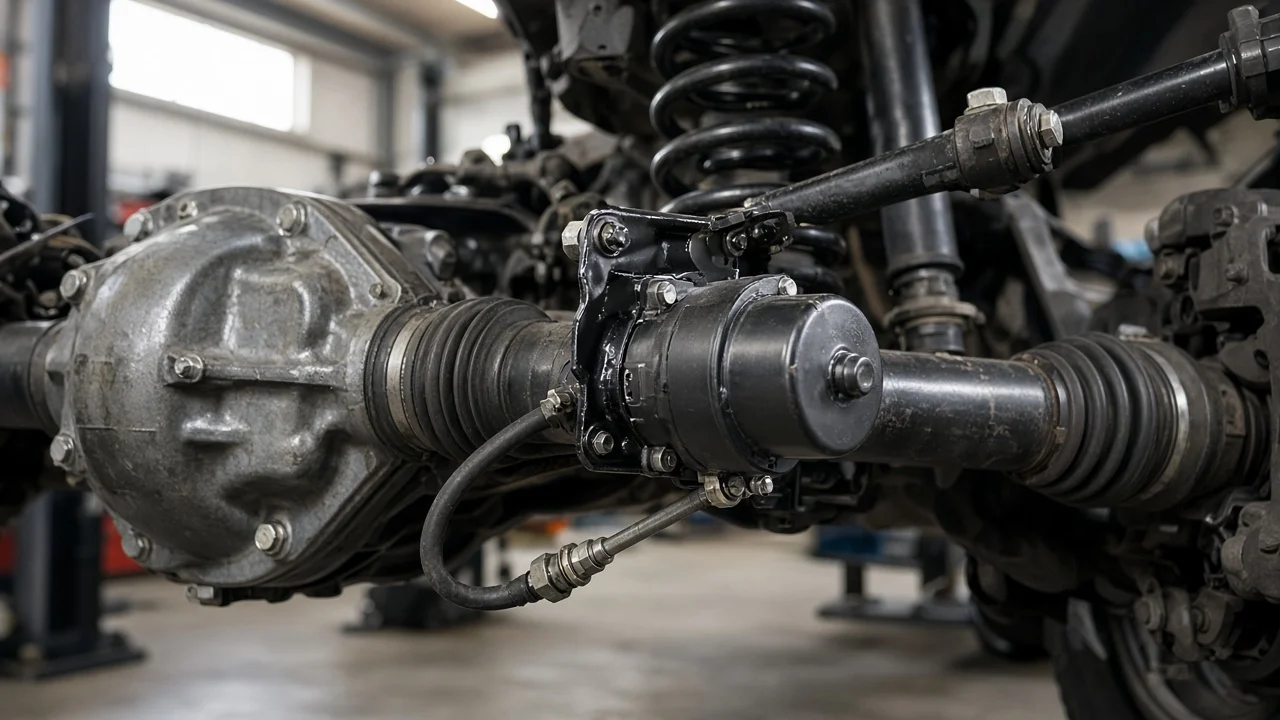
Buying a front axle actuator for a 2014 Ram 2500 4WD is mostly a fitment question. The right part depends on how your truck was built, not only on the model year. This guide explains what the actuator does, which configuration details change the correct part and how to confirm a match before you buy or install one. That way you avoid a return, or a front axle that still won't engage.
Which actuator fits a 2014 Ram 2500 4WD
There is no single actuator you can assume fits every 2014 Ram 2500 with four-wheel drive. The correct replacement matches the part number on your existing unit, or the part the dealer's parts system lists for your VIN. Model year, the 2500 badge and the 4WD designation narrow the search, but they don't settle it. Trim, the axle installed at the factory and options such as locking differentials can all point to a different part. Aftermarket listings also often group trucks more broadly than the factory did.
Before you order, make sure the part you're looking at is the one causing your problem. Owners searching for a front axle actuator are sometimes dealing with a different component. Two common examples are a transfer case shift motor on trucks with a dash-mounted 4WD selector, and a locker actuator on trucks with a front locking differential. Each has its own part number, and none of them is interchangeable with the axle engagement actuator.
How the front axle actuator works
On trucks that use a front axle disconnect, part of the front drivetrain is separated while the truck runs in two-wheel drive. This reduces drag and wear on front driveline parts. The actuator is the device that joins or separates that connection. When four-wheel drive is selected, the vehicle's control system signals the actuator. The actuator then moves an internal shift mechanism, typically a fork and sliding collar, to lock the axle components together so the front wheels can be driven. When you return to two-wheel drive, the actuator moves the collar back and the connection opens again.
Because the actuator is mounted on or near the front axle housing, it sits in a harsh spot. Water, road salt, mud and repeated heat cycles can damage its electrical connector, wiring and seals. A failing actuator, or a damaged circuit feeding it, can cause several problems. The front axle may stay disengaged even though the dash shows 4WD selected, engagement may be intermittent, or a warning message may appear with stored fault codes. Mechanical binding inside the axle can produce similar symptoms, which is why diagnosis matters before replacement.
Configuration details that change the correct part
Your truck's vehicle configuration matters more than the model name. The front axle installed at the factory determines the actuator's mounting, shift travel and connector, so trucks with different axle assemblies can need different units. Off-road models such as the Power Wagon add equipment like electronically controlled locking differentials, and those actuators do a different job. The transfer case type also matters for diagnosis. A truck with a floor shift lever and one with an electronic selector send the engagement request in different ways.
Production changes can also alter part numbers. Dealers sometimes replace an original part number with a revised one, and a previous owner or shop may already have installed a different or aftermarket unit. Your service history helps here: if the actuator was replaced earlier, the part on the axle now may not match the original listing. Operating conditions such as frequent water crossings or heavy winter salt exposure don't change which part fits. They do affect whether repairing the connector or replacing the whole actuator makes more sense.
What you can do before buying
Start with the old part. With the truck safely supported and cool, locate the actuator, clean it and write down any part number, supplier mark or label on the housing. Photograph the connector shape and the mounting pattern. Then give your VIN to a dealer parts counter or use a VIN-based parts lookup. A VIN match is more reliable than picking year, make and model from a menu, because it reflects the factory configuration of your specific truck.
Next, confirm the diagnosis. Read stored codes with a scan tool that can access the four-wheel-drive and body modules, not only engine codes. Inspect the harness running to the actuator for chafing, broken clips, corrosion or a loose connector. Check the relevant fuse using the owner's manual or the fuse panel label. Some faults that look like a dead actuator turn out to be wiring damage. If power and the circuit check out and the front axle still won't engage, replacing the actuator is the logical next step. When installing it, follow the factory service information for the procedure, seal or gasket, fastener torque and any fluid top-up or follow-up steps it requires.
After installation, test engagement at low speed on a loose surface such as gravel or wet grass, not on dry pavement. Shift into four-wheel drive as the owner's manual describes, confirm the indicator stays steady and verify the front wheels are pulling. Then scan for codes again to make sure none have returned.
Limitations and when to get professional help
This article can't confirm a specific part number for your truck, because that depends on factory build data and any changes made since. Treat online fitment notes as a starting point rather than proof, including listings that claim a part fits all 2014 Ram 2500 4WD models. The reliable references are the manufacturer specifications tied to your VIN and the markings on the installed actuator.
Bring in a qualified technician in any of these cases: codes point to a control module, the axle grinds or clunks when engaging, wiring repairs go beyond a simple connector, or a new actuator doesn't fix the problem. Internal axle damage, a worn shift collar or a transfer case fault can mimic actuator failure. Those repairs need proper tools, a thorough inspection and the factory procedure. Keep receipts and part numbers with your maintenance records so the next repair goes faster for you or anyone else who works on the truck.