Identifying a 2014–2015 Subaru Forester Transmission Valve Body
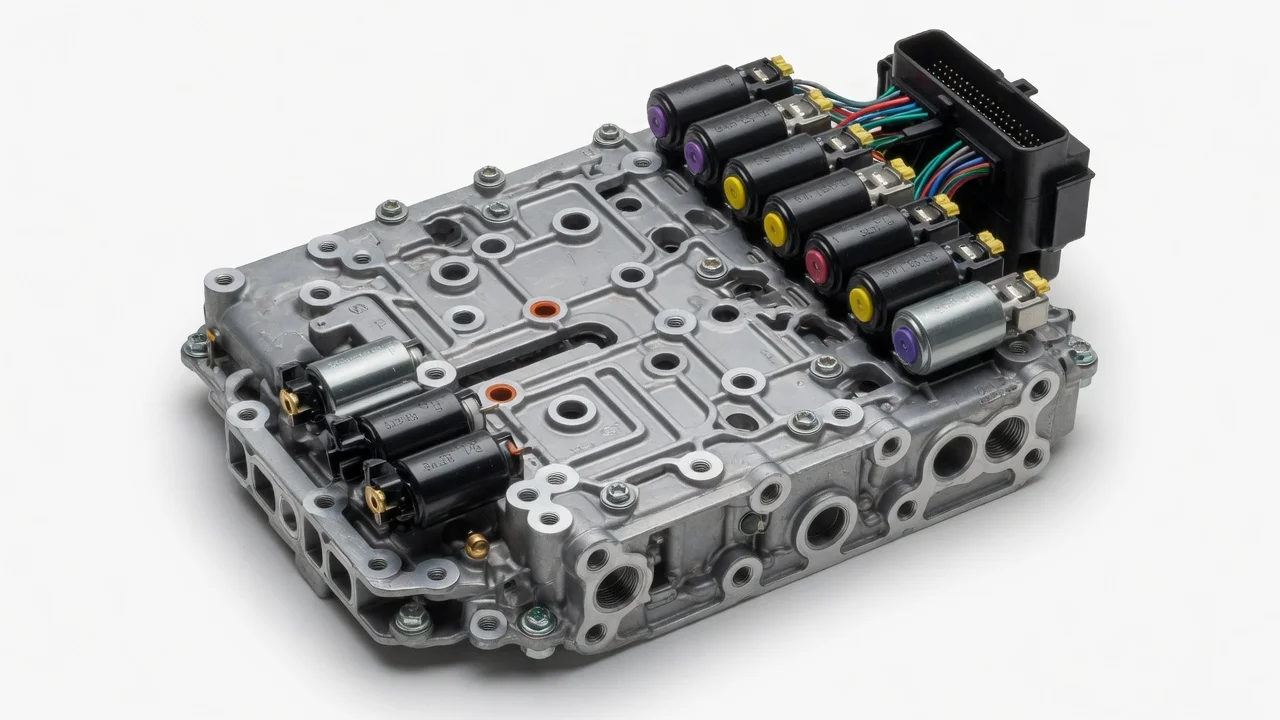
If you are shopping for a valve body for a 2014 or 2015 Subaru Forester, or a shop has suggested one, the first job is to confirm which transmission your vehicle has. These model years share a generation, but they did not all leave the factory with the same gearbox. Here is how to identify the correct unit, how it works, what affects fitment, and how to avoid buying a part for a problem it may not solve.
Which Valve Body a 2014–2015 Forester Uses
Most 2014 and 2015 Foresters use a Subaru Lineartronic continuously variable transmission (CVT), and that is the only transmission in this lineup with a valve body. Some 2.5i trims were also sold with a six-speed manual. A manual gearbox has no valve body, so if your Forester has a clutch pedal, this part does not apply.
Among CVT models, the engine matters. The 2.5i uses the naturally aspirated 2.5-liter engine with the standard Lineartronic unit, often called the TR580 family. The 2.0XT uses the turbocharged 2.0-liter engine with a higher-torque CVT, commonly called the TR690 family. These transmissions are not interchangeable, and neither are their valve bodies. A part listed for a 2014 Forester is not automatically correct for every 2014 Forester. Fitment depends on the exact transmission type and, often, the transmission code or part number on the vehicle.
How the CVT Valve Body Works
The valve body is a hydraulic control assembly mounted low on the transmission, under the oil pan. It is a machined housing with fluid passages, spool valves, springs and electrically controlled solenoids. The transmission control module reads sensor inputs such as vehicle speed, throttle position and pulley speeds. It then commands the solenoids, and the valve body routes pressurized fluid to the parts that need it.
In a Lineartronic CVT, that fluid sets line pressure, controls how the two variable pulleys move to change ratio, applies the forward or reverse clutch, and engages torque converter lockup. Because the chain and pulleys depend on precise clamping pressure, a fault in the valve body can show up as shift behavior problems. Examples include shudder, slipping, delayed engagement, or a lack of the expected smooth ratio change. The same symptoms can also come from fluid condition, wiring, sensors, software or internal mechanical wear, which is why diagnosis matters before parts are ordered.
What Changes the Correct Part
Several details decide whether a valve body will fit and work: manual versus CVT, 2.5i versus 2.0XT, and the specific transmission code assigned to your vehicle. Subaru made running changes to some CVT components, so two vehicles of the same model year can carry different part numbers. The most reliable way to confirm fitment is a VIN lookup through a Subaru parts department or a matching transmission identification label on the case. A year, make and model search alone is not enough.
Software and calibration also play a role. On many modern CVTs, the control module stores data related to the valve body and solenoids. After a valve body replacement, the shop may need to update the software, enter calibration data or run a learning procedure with a scan tool that supports Subaru functions. A used valve body from a salvage unit can carry wear, debris or mismatched calibration, so its condition and origin matter as much as the part number. Fluid specification is another variable. Lineartronic units use Subaru-specified CVT fluid, and the turbocharged unit may call for a different grade than the 2.5i. Confirm the exact specification in the owner's manual or service information for your VIN.
Reading Symptoms and Codes Carefully
Diagnostic codes from the transmission control module can point toward a pressure, solenoid or ratio-related circuit. They do not confirm that the valve body itself has failed. A solenoid circuit code might trace to a connector, harness or module issue. A ratio or pressure code might reflect low or degraded fluid, a sensor fault or mechanical wear inside the transmission. Treat a code as the starting point of a diagnostic path, not a parts list.
Symptoms work the same way. Shudder at light throttle, a flashing AWD or temperature indicator, harsh engagement or a limp mode condition can all appear with a valve body fault. They can also appear with unrelated problems. A shop that checks fluid level and condition, reviews freeze-frame and live data, tests solenoid circuits and looks for debris in the pan has much better grounds for recommending a valve body than one going by a symptom alone.
What You Can Do Before Buying Parts
Start by confirming the transmission type: check for a clutch pedal, note whether the vehicle is a 2.5i or 2.0XT, and find the VIN. Ask a Subaru parts department to look up the valve body and fluid by VIN, and write down the part number. If the transmission identification label is readable, note its code as well. These details prevent ordering an assembly meant for a different unit.
Next, gather your service history. Record when the CVT fluid was last serviced, whether any software updates were performed, and any past transmission repairs. Have the codes read with a scan tool that can access the transmission module, and save the exact codes and freeze-frame data rather than a summary. Note when the problem occurs: cold or warm, under light or heavy throttle, at a particular speed. Also ask a dealer to check your VIN for open recalls, service campaigns or extended coverage on the transmission. Coverage varies by vehicle and mileage, so confirm eligibility for your specific VIN before paying for repairs.
Once a cause is confirmed, compare repair options. A new valve body, a remanufactured valve body, a complete remanufactured transmission, and a repair of wiring or software each suit different findings. If the fluid shows heavy debris or the transmission has internal mechanical damage, a valve body alone may not fix the problem. Ask the shop to explain what evidence supports its recommendation and what procedures, such as programming or learning, are included in the quote.
Limitations and Next Step
This overview covers how to identify the valve body for these model years. It cannot replace a VIN-specific parts lookup or factory service information. Part numbers, fluid requirements, calibration steps and torque specifications can differ between production runs, and only the correct documentation confirms them for your vehicle. Valve body replacement involves draining fluid, removing the pan, handling sensitive solenoids, refilling to a precise level at a specified temperature and, in many cases, performing scan tool procedures. A mistake at any of these steps can create new problems.
If your Forester shows transmission symptoms or stored codes, the practical next step is diagnosis by a dealer or an independent shop experienced with Subaru CVTs, using equipment that can communicate with the transmission module. Bring your VIN, the code list and your service history. With that information, the shop can tell whether a valve body is truly the needed repair and supply the correct part for your exact transmission.