2013 Ford F-150 Transmission Output Speed Sensor Identification
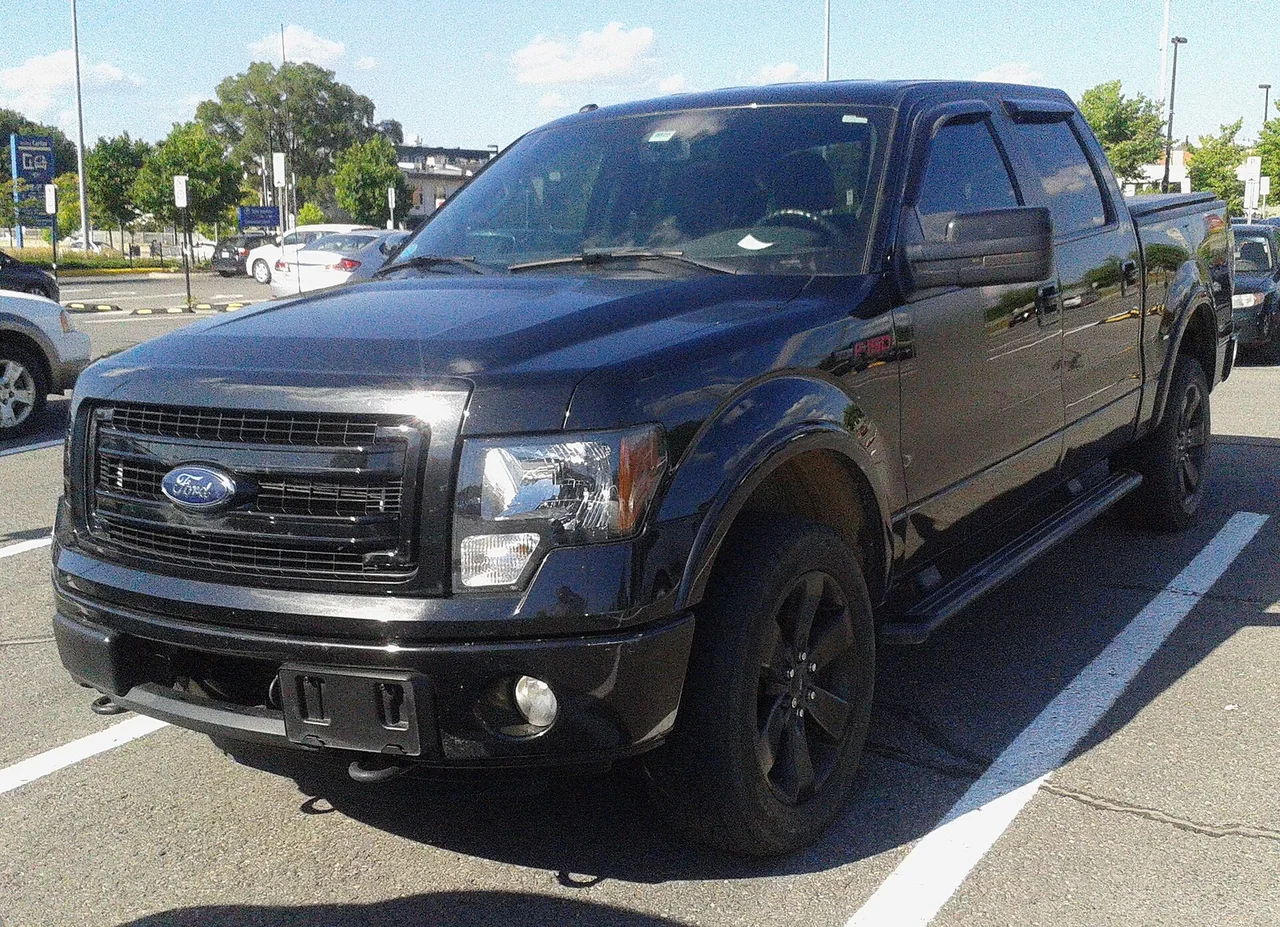
On a 2013 Ford F-150, the transmission output speed sensor reports how fast the output shaft is turning. The powertrain control module uses that signal to time shifts, manage torque converter lockup and cross-check vehicle speed. Finding the right part starts with confirming the transmission, because the sensor's location, how it is serviced and how it is diagnosed all depend on it. This guide explains where the sensor sits, how it works, which codes point toward it, and how to avoid replacing a good part.
Which output speed sensor a 2013 F-150 uses
Every 2013 F-150 with the factory automatic uses the 6R80 six-speed transmission. That includes trucks with the 3.7-liter V6, 5.0-liter V8, 3.5-liter EcoBoost and 6.2-liter V8. On some older Ford automatics, the speed sensor bolts to the outside of the case. On the 6R80, the output shaft speed sensor, usually shortened to OSS, sits inside the transmission. It is part of the internal wiring assembly that Ford technicians call the lead frame. That assembly also carries the turbine shaft speed sensor, the transmission fluid temperature sensor and the range sensor circuits.
In practice, you reach the sensor by draining the fluid and removing the transmission pan. Many replacement listings sell it as part of the lead frame rather than as a standalone sensor, while some sellers offer the speed sensors separately, so read the description and photos carefully. Confirm fitment with the vehicle identification number and the transmission identification tag or build information, not the model year alone. A truck whose transmission has been replaced may not match its original specification.
How the output speed sensor works
The sensor sits next to a toothed or slotted ring that turns with the output side of the geartrain. As the ring passes the sensor tip, the sensor produces a pulsing signal whose frequency rises with shaft speed. The powertrain control module compares this output speed with the turbine shaft speed from the other internal sensor. The ratio between the two tells the module which gear the transmission is actually in, how quickly a shift is completing and whether a clutch is slipping.
If the output signal disappears, drops out intermittently or disagrees with other inputs, the module can no longer confirm gear ratios. It usually sets a diagnostic trouble code and may switch the transmission to a protective strategy. Owners typically notice harsh or delayed shifts, a transmission stuck in one gear, loss of torque converter lockup or an erratic speedometer. None of these symptoms alone proves the sensor has failed. Wiring, connectors, low or degraded fluid, internal mechanical problems and module faults can all produce the same shift behavior.
Diagnostic codes linked to the output speed circuit
Generic powertrain codes P0720 through P0723 relate to the output speed sensor circuit. P0720 is a general circuit fault, P0721 a range or performance problem, P0722 no signal and P0723 an intermittent signal. Codes P0715 through P0718 follow the same pattern for the turbine or input speed sensor. Ford may also store manufacturer-specific codes alongside these. Confirm their exact definitions with a scan tool that reads Ford enhanced data.
A code identifies the circuit or measurement that looked wrong, not the part that caused it. A no-signal code, for example, can come from the sensor itself, a damaged lead frame, a poor connection at the transmission case connector, a chafed harness outside the transmission or debris on the sensor tip. Ratio or performance codes that appear along with slipping or engine flare during shifts can point to an internal mechanical problem that the sensor is reporting accurately.
What changes the answer
All of the above assumes the original factory 6R80. A truck with a replacement, rebuilt or used transmission may have a different internal harness revision, so the part must match what is actually installed. The truck also uses wheel speed information from the anti-lock brake system, and four-wheel-drive models have their own transfer case electronics. A speed-related warning therefore does not automatically involve the transmission output sensor. Changing tire size or axle ratio without updating the calibration can also distort speed readings and shift timing even when every sensor is healthy.
Operating conditions matter too. Faults that appear only when the transmission is hot, right after a cold start, over bumps or in wet weather usually point to connections or wiring rather than a sensor that has failed outright. Noting when a symptom happens is often more useful than the symptom itself.
What the owner can do
Start by scanning all modules, not just the engine and transmission. Write down every stored and pending code and the freeze frame data, then note whether the codes return after clearing. If your scan tool shows live data, compare output shaft speed with turbine shaft speed and vehicle speed during a steady drive. A healthy output signal rises and falls smoothly with road speed. A reading that drops to zero or spikes while the truck is moving points toward the output speed circuit.
Next, check fluid condition and level. The 6R80 is specified for Motorcraft Mercon LV or an equivalent that meets that fluid specification. Most installations have no conventional dipstick, so the level is checked through a fill plug at a specified fluid temperature. Inspect the external harness and the connector at the transmission case for damage, corrosion or fluid intrusion. Review the service history as well, since a recent fluid service, pan removal or transmission repair can leave a disturbed connector or debris near a sensor.
If the evidence points inside the transmission, the usual repair is replacing the sensor, or the lead frame as a unit, followed by a correct refill and level check. The procedure may include clearing codes and resetting adaptive shift learning, and the new part must match the transmission's fitment.
Limitations and next step
This guide covers identification and general diagnostic logic for the factory 6R80 in a 2013 F-150. It does not replace Ford's service procedure, wiring diagrams and pinpoint tests, which define test values, torque specifications and the exact fill process for a given truck. Have a transmission specialist test the circuit before you buy parts if you cannot confirm the transmission type, if codes for several sensors appear together, or if the transmission is slipping, overheating or showing debris in the fluid. A professional diagnosis costs far less than replacing a lead frame that was never the problem.