2013 Dodge Dart 1.4 Turbo Intercooler
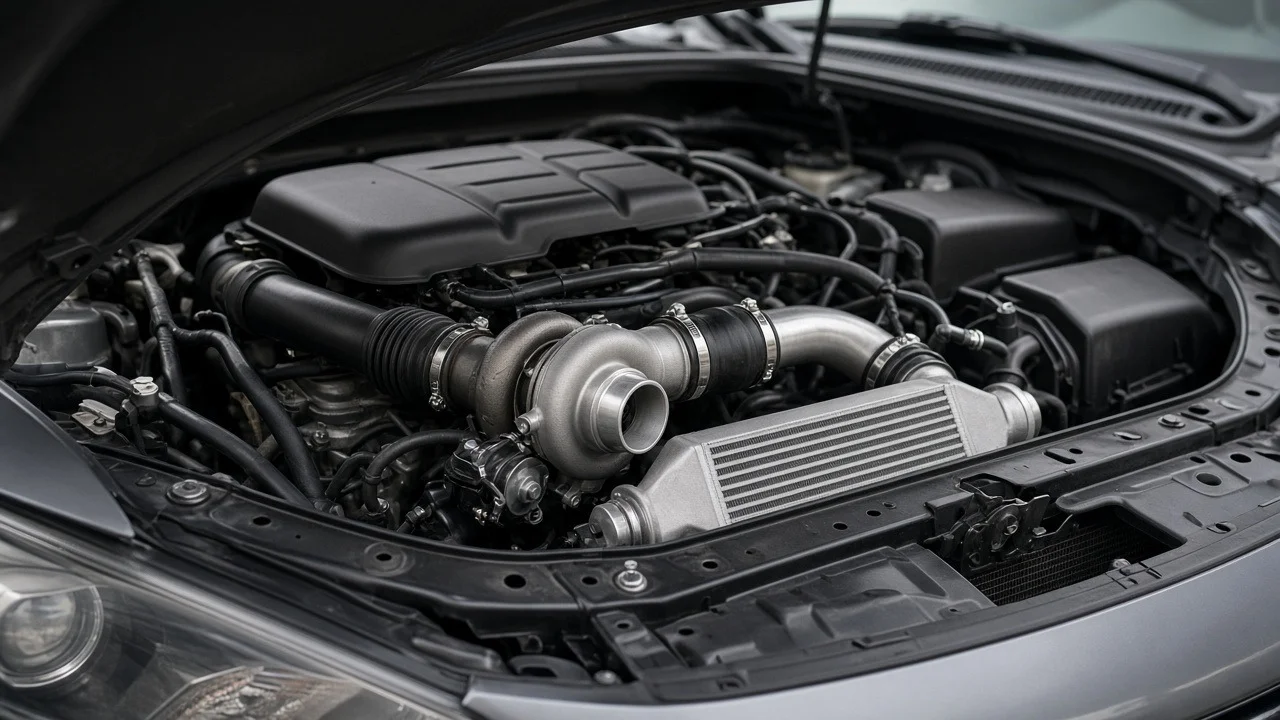
When the 2013 Dodge Dart 1.4 turbo intercooler becomes a purchase consideration, the immediate question is usually whether the factory unit is adequate, degraded, or worth upgrading. This compact heat exchanger sits between the compressor outlet and the intake manifold, reducing charge-air temperature after the turbocharger compresses intake air. Higher boost pressure raises heat, so a leaking or oil-contaminated core can create pressure loss, inconsistent throttle response, and reduced efficiency. Understanding how this component fails, what signs point to it, and which replacement style fits your driving conditions helps you choose the right part without overspending.
The direct answer
The direct answer is that choosing a 2013 Dodge Dart 1.4 turbo intercooler depends first on whether you are replacing a failed stock unit or seeking lower charge-air temperature for modified boost levels. The factory intercooler is a compact air-to-air design mounted ahead of the radiator support. It is adequate for stock output, but its small core volume and plastic end tanks can become a restriction once boost pressure is raised or the vehicle is driven hard in hot weather. For stock replacement, an OE-style unit restores original fitment and predictable hose connection geometry without requiring supporting changes.
If the goal is more consistent performance, a larger aftermarket bar-and-plate core typically offers greater thermal mass and reduced pressure loss across the core. This does not add horsepower by itself, but it preserves air density and helps the engine maintain timing that would otherwise be pulled when intake temperatures climb. Any replacement should be checked for oil contamination from the crankcase ventilation system, because a film inside the core reduces heat transfer and can signal that the new intercooler will eventually face the same issue unless the source is addressed.