2013 Chevrolet Malibu Parking Brake Control Module: Configuration and Location Identification
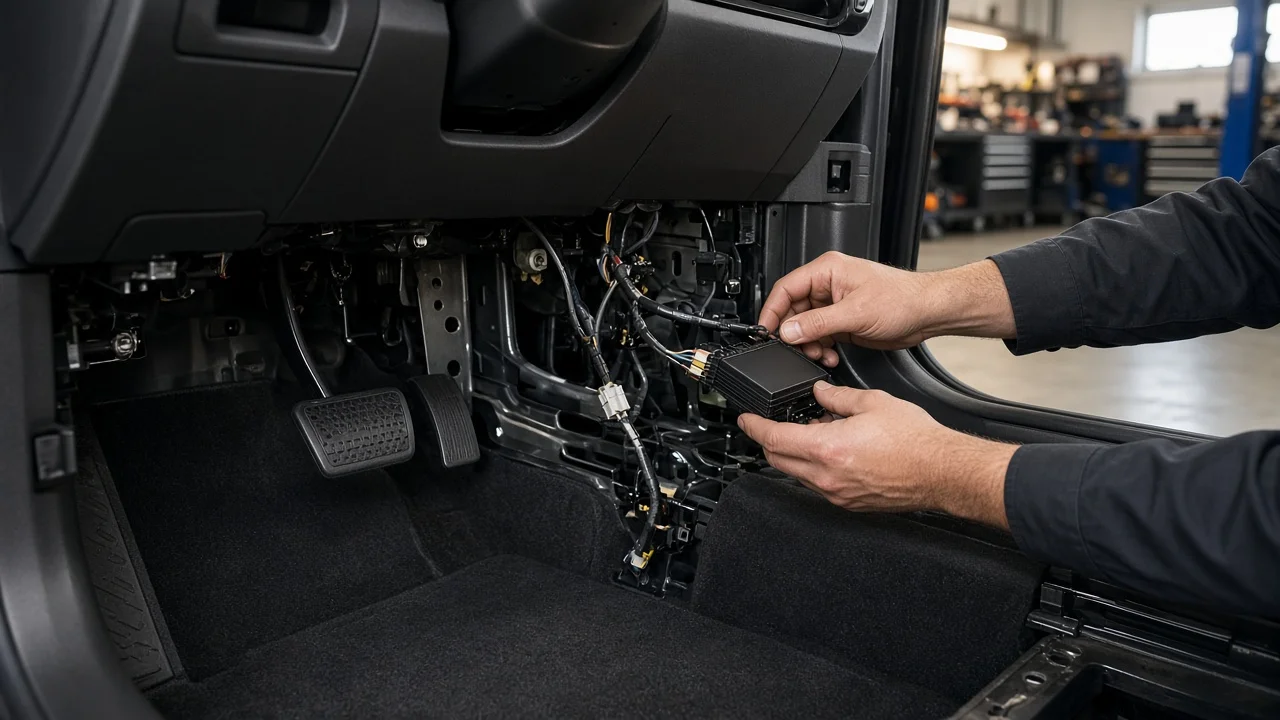
If you are chasing a parking brake warning or planning rear brake work on a 2013 Chevy Malibu, the first step is knowing whether your car has a parking brake control module and where it sits. This guide explains how to identify the configuration on your vehicle and how the system operates. It also explains why the exact mounting location should be confirmed in service information for your specific car before you remove trim or disconnect anything.
Where the Parking Brake Control Module Is on a 2013 Malibu
No single location can be safely applied to every 2013 Malibu, so the answer comes in two parts. First, confirm what kind of parking brake the car has. If you set the brake with a switch on the center console rather than a foot pedal or hand lever, the car uses an electric parking brake, and that system depends on electronic control. If you have a pedal or lever with cables, there is no parking brake control module to find. Second, on an electric system the control function may be handled by a dedicated parking brake module or shared with another brake-related controller, depending on how the vehicle was built.
The reliable way to pin down the physical location is the component locator in the factory service information, or a parts catalog lookup by VIN that shows the module and its mounting bracket. A shop with a capable scan tool can also confirm which module reports parking brake codes. That tells you exactly which unit you are looking for before you start pulling trim panels, seat cushions or trunk liners.
How the Electric Parking Brake System Works
On an electric parking brake, the console switch does not pull a cable. It sends a request to the controlling module, which then powers small electric motors mounted on the rear brake calipers. Each motor drives a gear set that pushes the caliper piston outward, clamping the brake pads against the brake rotors to hold the car. Operating the switch to release, or driving away under the right conditions, signals the module to reverse the motors and back the pistons off.
The module monitors switch inputs, motor current, vehicle speed and other data shared over the vehicle network. When something falls outside expected values, such as a motor drawing too much current or a switch circuit reading incorrectly, it stores a diagnostic trouble code and turns on a parking brake warning indicator or message. The motors work through the same caliper pistons as the hydraulic service brakes. As a result, the condition of the friction material, the pistons and the caliper slides directly affects how well the parking brake applies and releases.
Configurations and Conditions That Change the Answer
Trim level and production details can affect which brake hardware and modules a particular car received, so a parts listing by VIN is more trustworthy than a generic model-year search. Vehicle fitment also matters when buying a replacement module. A unit that looks identical may carry a different part number, or it may need to be programmed to the car before it will work.
Operating conditions matter too. Low battery or charging system voltage is a frequent cause of electric parking brake warnings, because the motors draw significant current and a module can set faults when supply voltage sags. Previous rear brake work can also be a factor. If the caliper pistons were forced back without putting the system into its service mode, the actuators can be damaged or faults can be logged. Finally, a warning light alone does not prove the module itself has failed, because switches, wiring, connectors, fuses and the caliper motors are all part of the circuit.
What You Can Check Yourself
Start with simple observations. Note whether the parking brake applies and releases from the switch, whether you hear the motors run at both rear wheels, and exactly which warning lamp or message appears and when. Check the battery state of charge and the condition of the terminals, since a weak battery can mimic a control fault. The owner's manual shows fuse locations and explains the parking brake indicators for your car.
If you have a scan tool that can communicate with brake-related modules, read the stored codes and record them before clearing anything. The codes and the module reporting them narrow the search far more than guessing at a location. If you plan to replace rear brake pads or brake rotors, follow the procedure for retracting the electric parking brake, which normally requires a scan tool function. Do not force the pistons back with a clamp. While the wheels are off, measure pad thickness and rotor condition against the published wear limits. Also check brake fluid level and condition, since the hydraulic and parking functions share the same calipers.
If the parking brake will not release, is dragging, or will not hold the car on a slope, stop driving the car. Chock the wheels when parked and arrange service. A brake that stays partly applied can overheat the friction material and rotors, and a parking brake that does not hold creates a rollaway risk.
Limitations and When to Get Professional Help
This guide cannot give a verified mounting location, connector view or part number for your individual car, and it does not replace the factory diagnostic procedure. Electric parking brake systems often need professional-grade scan tools for service mode, calibration and module setup after replacement. Even with the exact location, you may not be able to complete the repair at home.
Have a qualified technician inspect the system before relying on the car if any of these apply: the codes point to the module, its wiring or the rear caliper actuators; the brake pedal feel has changed; stopping distance has increased; or the car pulls when braking. A technician can confirm the configuration, perform the correct service procedures and verify that both the service brakes and the parking brake work properly.