2013–2015 Jeep Wrangler Transmission Speed Sensor Location
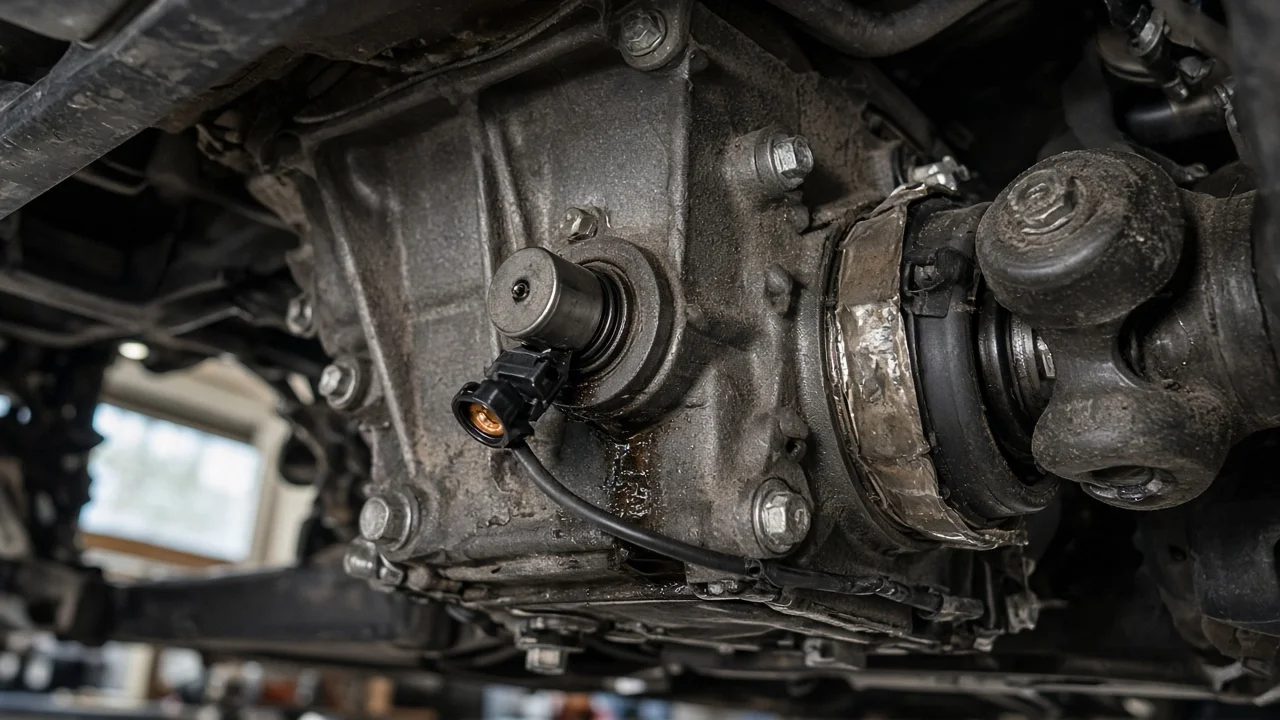
If a scan tool has flagged a speed sensor fault on a 2013, 2014 or 2015 Wrangler, the first question is usually where that sensor lives and whether it can be reached from underneath. The answer depends on which gearbox the Jeep has. This guide covers where the speed sensors are on the JK generation, how the transmission uses their signals, and what an owner can sensibly check before buying a part.
Where the Speed Sensors Are Located
Most 2013–2015 Wranglers with an automatic use the five-speed W5A580, a Mercedes-derived design often called the NAG1. On this transmission the input speed sensors are not bolted into the outside of the case. They are mounted inside, on the electrohydraulic control assembly attached to the valve body, above the oil pan. Reaching them means draining the fluid, dropping the pan and filter, and working on the internal control unit. In many cases the sensors are integrated into the conductor plate assembly rather than sold as separate screw-in sensors, so the repair is usually a module-level replacement rather than unplugging one small part.
Wranglers with the six-speed manual are a different story. That gearbox does not use the transmission speed sensors a shift-controlled automatic needs. On many JK configurations, the vehicle speed the speedometer and other systems rely on is calculated from the ABS wheel speed sensors at the wheels, not from a sensor on the transmission or transfer case. So when someone searches for a Jeep Wrangler transmission speed sensor location on a manual JK, the part they actually need to inspect is often a wheel speed sensor or its wiring.
How the Transmission Uses Speed Signals
An automatic transmission controller needs to know how fast the input side is turning and how fast the vehicle is moving. Input speed tells it what the torque converter and internal clutch packs are doing; vehicle or output speed tells it how the Jeep is moving down the road. By comparing the two, the controller confirms which gear is engaged, judges whether a clutch is slipping, and decides when to shift and when to lock the converter.
When one of those signals drops out or becomes implausible, the controller cannot trust its own calculations. A common reaction is to set diagnostic codes and fall back to a protective limp mode, typically holding a fixed gear so the vehicle can still be driven at reduced performance. That is why a speed signal problem can show up as harsh, late or missing shifts, a stuck gear, an erratic speedometer, or cruise control that refuses to engage. Those same symptoms can also come from low fluid, wiring damage, internal wear or a software issue, so the shift behavior alone does not prove which component has failed.
What Changes the Answer
Transmission type is the biggest variable. Confirm whether the Jeep has the automatic or the manual before reading any procedure, because the sensor arrangement, access and diagnostic path are completely different. The build sheet, a VIN-based parts lookup or simply the presence of a clutch pedal settles it. Also keep in mind that a previous owner may have swapped the transmission or replaced the control assembly, so the service history matters when the original configuration is in doubt.
Which code is stored also changes where you look. Generic codes such as P0715 point toward an input or turbine speed circuit, P0720 toward an output speed circuit, and P0500 toward the vehicle speed signal. On a JK, a vehicle speed fault frequently leads back to the ABS system rather than the transmission. Manufacturer-specific codes and the exact code description in the scan tool narrow things further than the generic number alone. Fitment also matters: control assemblies and sensors can differ by model year and calibration, so a part that looks identical may not be correct for a given vehicle.
What the Owner Can Check
Start with a scan tool that reads transmission and ABS modules, not just engine codes. Record every stored code with its description and freeze frame data before clearing anything. If the tool shows live data, compare input speed, vehicle speed and individual wheel speeds while driving safely. A single wheel reading zero or jumping erratically points toward that wheel's sensor, tone ring or wiring, while a missing input speed reading on an automatic points toward the internal control assembly or its connection.
Next, check the basics that cost nothing. Look for fluid leaks at the transmission electrical connector and pan, damaged harnesses near the exhaust and frame, and corrosion or mud packed into wheel speed sensor connectors, which is common on Wranglers used off road. Verify the fluid level using the correct procedure for that transmission, since many automatics in this family have no conventional dipstick and must be checked at a specified temperature. Use only fluid that meets the fluid specification listed for that transmission, because the wrong fluid can cause shift problems of its own.
If the evidence points to an ABS wheel speed sensor, that is often a straightforward bolt-on repair at the wheel. If it points to the automatic's internal sensors, weigh the repair options carefully: the job involves draining fluid, removing the pan and handling the control assembly, and some replacement units may need programming or adaptation afterward. Replacing parts based on a symptom alone is the most expensive way to diagnose this problem.
Limitations and Next Step
This overview describes the general layout for the 2013–2015 Wrangler and cannot account for every calibration, mid-year change or previous repair on a specific vehicle. Exact torque values, part numbers, fluid capacity and whether programming is required come from the factory service information for that VIN. If codes return after basic checks, if live data is inconsistent, or if the automatic needs the control assembly replaced, a transmission shop with a capable scan tool can confirm the fault with circuit testing before any parts are ordered. That step usually costs less than guessing wrong.