Identifying a 2013–2014 Subaru Outback Transmission Valve Body
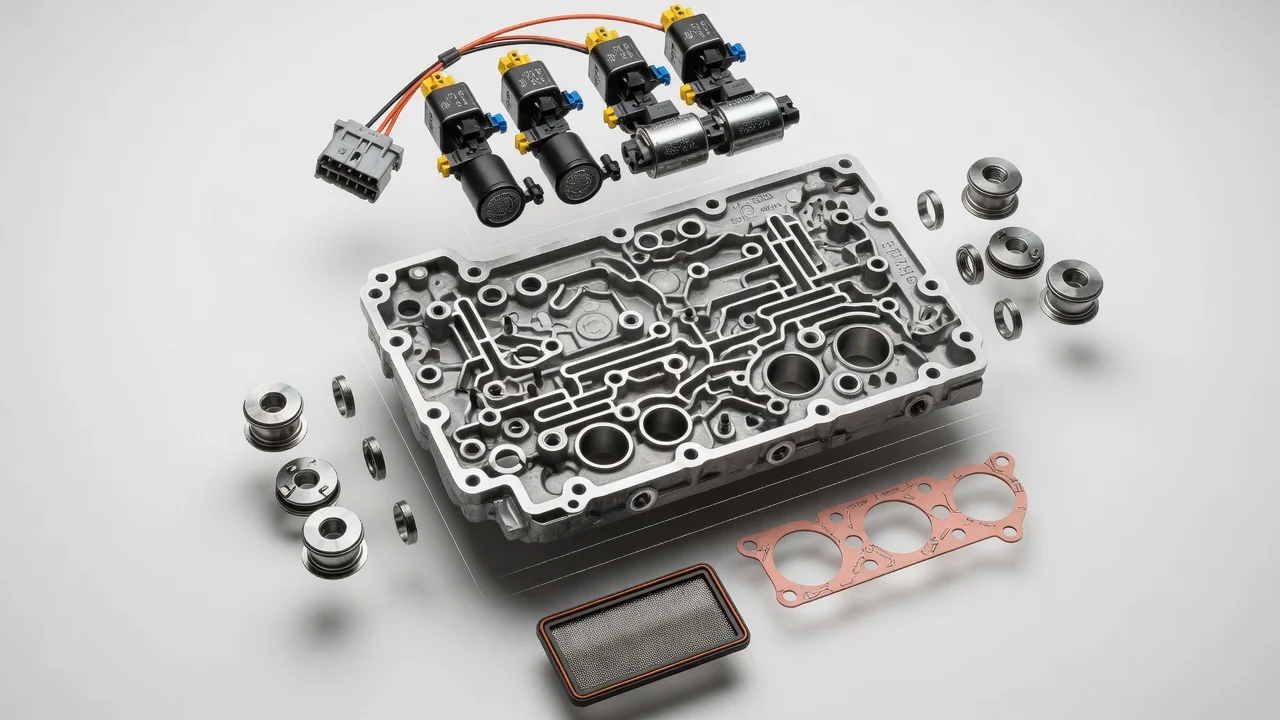
If you are shopping for or troubleshooting the valve body on a 2013 or 2014 Subaru Outback, start by confirming which transmission the vehicle has. These model years used different gearboxes depending on engine and equipment, and a valve body from one design will not fit or function in another. This guide explains how to identify the correct unit, what affects fitment, and what to confirm before you buy parts or approve a repair.
Which valve body does your Outback use?
The answer depends on the engine and transmission type. A 2013 or 2014 Outback 2.5i with an automatic uses the Lineartronic continuously variable transmission (CVT), which has its own control valve body. The 3.6R uses a conventional five-speed automatic, often called the 5EAT, with a different valve body. A 2.5i with the six-speed manual has no hydraulic valve body. The CVT and five-speed parts are not interchangeable, so model year alone is not enough to identify the right one.
The most reliable identification uses the VIN. A Subaru parts department or a VIN-based catalog can decode the exact transmission and return the matching part number. The vehicle's model code label and the transmission case markings also help confirm the transmission, but treat them as cross-checks rather than substitutes for a VIN lookup. When you compare a replacement unit, match the part number, not just the listing description or the year range.
How the valve body works
The valve body is the hydraulic control center of an automatic transmission. It is a machined assembly of passages, spool valves and electrically operated solenoids. The transmission control module (TCM) reads inputs such as vehicle speed, throttle position and fluid temperature, then commands the solenoids. The valve body turns those commands into fluid pressure directed to the components that do the work.
In the CVT, the valve body controls the pressure that clamps the chain between the pulleys, the ratio changes, torque converter lockup, and engagement of the forward and reverse elements. In the five-speed automatic, it routes pressure to the clutches and brakes that select each gear and shapes the timing and firmness of each shift. In both designs, worn bores, sticking valves, failing solenoids or contaminated fluid can affect shift behavior. Wiring faults, low or degraded fluid, sensor problems, TCM software and internal mechanical wear can produce similar symptoms, so a symptom alone does not confirm that the valve body has failed.
What changes the answer
Transmission type matters most, but it is not the only variable. Manufacturers sometimes revise valve bodies, solenoids or calibrations during production. Two vehicles from the same model year can therefore call for different part numbers, and a superseded number may replace an earlier one. A used valve body that looks identical may still differ internally or carry a calibration that does not suit your vehicle.
The valve body also works as a system with the TCM. Depending on the transmission and the replacement part, the TCM may need its learned values reset, an update, or registration of data specific to the new valve body. Subaru diagnostic equipment or an equivalent professional scan tool is typically required. Skipping that step can leave poor shift quality or stored faults even with the correct part installed. Follow the service procedure for your specific transmission.
Condition and history also shape the decision. A transmission that has run low on fluid, overheated, or circulated debris from internal wear may not be cured by a valve body alone. Contamination from elsewhere in the unit can quickly damage a new or used replacement. Your repair options range from replacing a solenoid or the valve body to a remanufactured or replacement transmission. Which one makes sense depends on what diagnosis actually finds.
What the owner can do
Begin by recording the VIN and confirming the transmission type through a VIN decode or a parts counter. Have the diagnostic codes read with a scan tool that can access the TCM. Some basic code readers display only engine-related or generic codes and can miss transmission-specific data. Write down the exact codes along with any freeze-frame information rather than relying on a summary.
Note when the problem happens. Useful details include whether it appears cold or hot, during light or heavy acceleration, when pulling away, at steady cruise, or when selecting reverse. Describe the shift behavior specifically, such as a shudder, slipping, delayed engagement, harsh engagement, flaring revs or a stuck ratio. Gather the service history, including when the fluid was last serviced and which fluid was used. The CVT and the five-speed automatic require different fluids, and the fluid specification in the owner's manual or service information should be followed exactly. Checking the level on these transmissions can involve a temperature-specific procedure, so do not assume a simple top-up is correct.
Before buying parts, ask a Subaru dealer whether any service bulletins, campaigns or extended coverage apply to your VIN. If you are sourcing a valve body yourself, confirm fitment by part number and transmission code. Ask whether the part is new, remanufactured or used, and find out what programming the installer will need to perform. A replacement part with no plan for the required TCM procedure can create a new problem.
Limitations and next step
This guide explains how to identify the transmission and what to verify. It cannot confirm the part number for an individual vehicle or diagnose a specific fault. Exact part numbers, revisions, fluid specifications and programming steps come from Subaru service and parts information tied to your VIN. Fault codes point to a circuit or condition, not necessarily to a single failed component, and confirming a valve body problem usually involves electrical testing, pressure or data analysis, and an inspection of fluid condition.
If the vehicle shows transmission fault codes, slips, shudders or refuses to engage a gear, avoid extended driving until it has been checked. Continued operation can turn a control problem into internal damage. The practical next step is to take the VIN, the stored codes, your notes on shift behavior and the service records to a Subaru dealer or a transmission shop with Subaru-capable diagnostic equipment. That gives them what they need to confirm the fault and recommend the right repair.