Choosing Steering Linkage for a 2012 Ram 3500
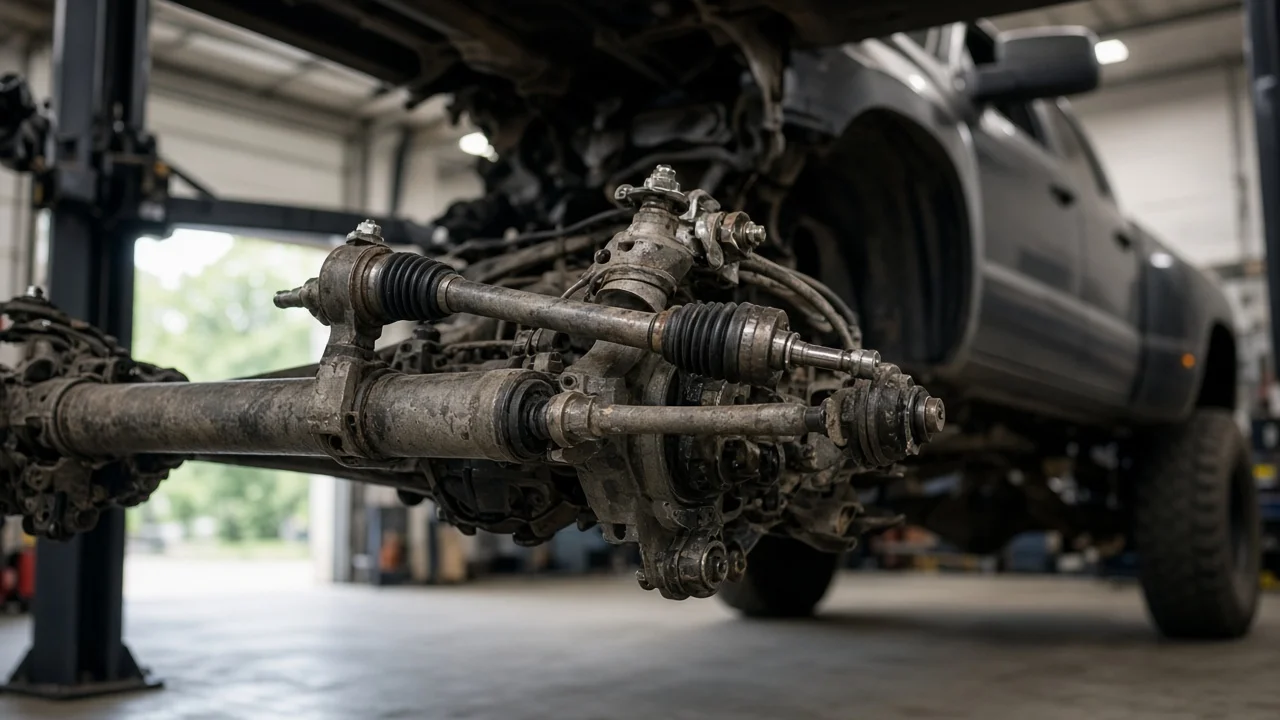
The steering linkage on a 2012 Ram 3500 carries the weight of a heavy front end, large tires and often a diesel engine, so a worn tie rod or drag link quickly shows up as wander, clunks or uneven tire wear. Choosing replacement linkage means matching parts to your exact truck, deciding whether factory-style or heavier components suit how you use it, and budgeting for the alignment and inspection work that follows installation.
Define the job the product must do
Start with how the truck is used. A 3500 that mostly commutes empty puts different demands on its steering than one that tows a fifth-wheel, carries a plow, runs oversized tires or sits on a lift. Heavier front loads, bigger tires and off-pavement use all add stress to tie rod ends and the drag link, which makes stronger or serviceable joints more attractive. A stock-height truck used on pavement is usually well served by quality factory-style replacement parts.
Confirm that the linkage is actually the problem before buying anything. With the truck parked on level ground and the wheels on the floor, have a helper rock the steering wheel back and forth while you watch each joint for movement before the wheels respond. For any check that requires lifting the front end, use proper vehicle support on rated jack stands at the manufacturer's lift points, never a jack alone. Joint play at a tie rod end or drag link end points to the linkage; movement elsewhere may come from the track bar, ball joints, steering gear, pitman arm or wheel bearings, which new linkage will not fix.
Also be honest about practical constraints: whether you will install the parts yourself, whether you own a torque wrench and a tie rod end separator, and how soon you can get the truck to an alignment shop afterward.
Check compatibility
Drive type is the first filter. Two-wheel-drive and four-wheel-drive versions of the 2012 Ram 3500 use different front suspension and steering layouts, so their linkage parts are not interchangeable. Pickup and chassis cab models can also differ in front-end components, so confirm the configuration rather than assuming. The most reliable approach is to look up parts by VIN or by the factory part numbers on your existing components.
Next, check the interfaces. Tie rod ends and drag link ends must match the tapers and bores at the steering knuckles and pitman arm, and the adjuster sleeves must match the thread size and direction of the ends they join. If the steering stabilizer clamps to the tie rod, verify that its mounting points line up with the new tube diameter and clamp location. Decide whether you need a complete assembly or only individual ends; buying a full tie rod or drag link assembly avoids mixing old and new threads.
Ride height matters too. Linkage designed for a stock truck may not suit one with a significant lift or leveling kit, because suspension changes alter the angles at the joints and can bring parts closer to the axle, springs or frame. If the truck has been modified, check that the linkage you choose is intended for that ride height.
Features that affect the choice
Joint design is the most meaningful difference between options. Greaseable joints can be serviced and flushed of contamination, which suits trucks that see water, mud or road salt, but they only help if someone actually greases them. Sealed joints need no routine service but cannot be refreshed once the internal grease breaks down. Boot quality matters with either type, because a torn boot lets in dirt and water that wear the joint quickly.
Tube construction determines how well a tie rod or drag link resists bending if it hits a rock, curb or rut. Larger-diameter and thicker-walled tubes are stiffer, which matters on lifted trucks with big tires. On four-wheel-drive trucks of this generation, aftermarket suppliers commonly describe the factory layout as Y-style and also offer conversion kits that change the linkage arrangement. A conversion changes steering geometry and may require relocating the stabilizer, so treat it as a modification that needs careful fitment checking, not a simple replacement.
Separate evidence from marketing. Labels such as heavy-duty, extreme or lifetime say little on their own. Useful information includes stated tube dimensions, joint type, whether grease fittings are included, which hardware comes in the box, clear installation instructions, and written warranty terms that explain what is covered and how claims work.
Limitations and ownership costs
Any tie rod or drag link replacement changes toe and often steering wheel position, so a professional wheel alignment should follow promptly. Counting threads or measuring the old parts can get the truck drivable to the shop, but it is not a substitute for an alignment. Driving long distances with toe out of specification can wear tires quickly and make the truck harder to control.
Installation details carry real safety weight. Tighten castle nuts, clamp bolts and other fasteners to the fastener specification in the factory service information or the part maker's instructions, and install new cotter pins where the design calls for them. Do not guess torque values or reuse hardware the instructions say to replace. After the first few hundred miles, recheck the fasteners and joint condition. Greaseable parts add a routine service task, and every set of linkage should be inspected at oil changes or tire rotations.
Linkage also has clear limits. It will not cure a worn track bar, loose ball joints, a leaking or loose steering gear, worn wheel bearings, out-of-round tires or poor wheel balance. A new steering stabilizer can hide symptoms of violent front-end shake but does not repair the worn parts causing it. Budget for the alignment, any tools you lack, and possible related parts uncovered during inspection.
Build a practical shortlist
Narrow the options with a short set of questions. Does the listing confirm fitment for a 2012 Ram 3500 with your drive type, body style and ride height? Is it a complete assembly or individual ends, and does that match what is actually worn? Do the tapers, sleeve threads and stabilizer mounting points match your truck? Are the joints greaseable or sealed, and does that suit your climate and maintenance habits?
Then compare what you can verify: stated tube size, included hardware such as nuts and cotter pins, installation instructions with a fastener specification, and written warranty terms. Favor parts whose seller gives clear specifications over those relying on slogans. Finally, plan the full job before ordering, including safe vehicle support, the tools needed, a post-install fastener check and an alignment appointment, so the new linkage delivers stable, predictable steering.