2012 Ram 1500 4WD Actuator Fitment: What to Check Before You Buy
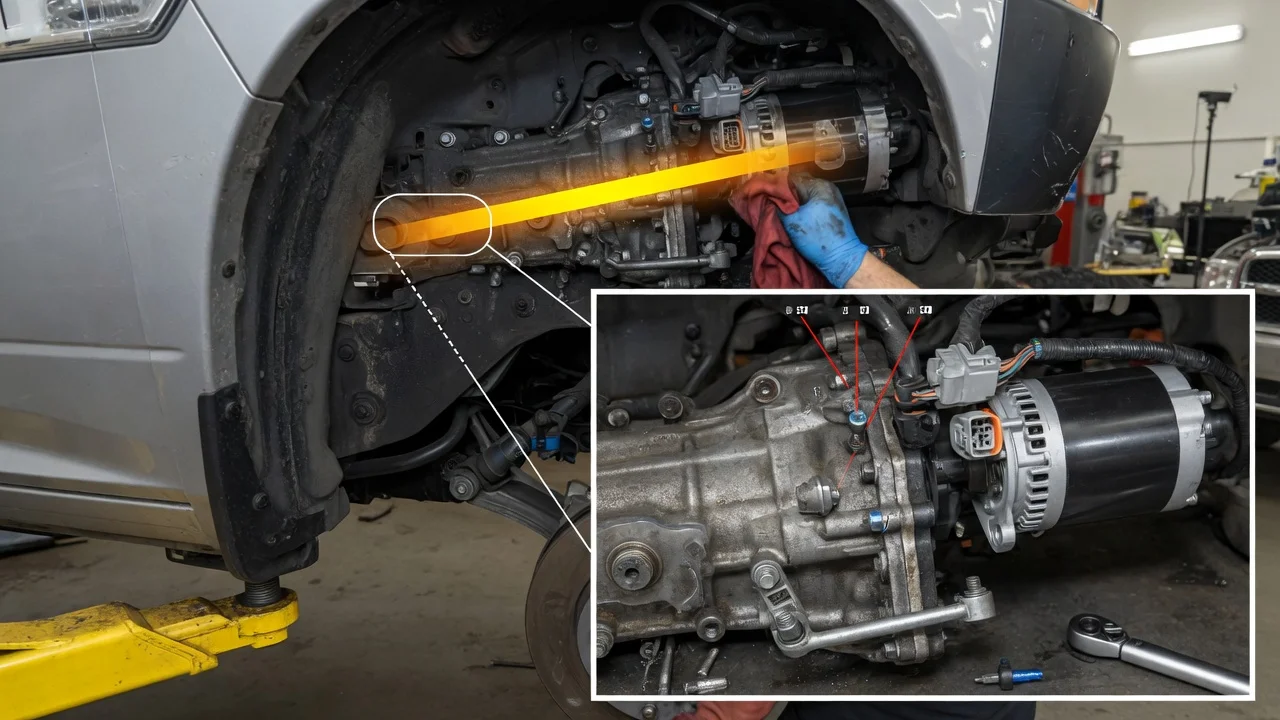
Shopping for a 4WD actuator for a 2012 Ram 1500 is less straightforward than listing titles suggest. The truck can use more than one actuator in its four-wheel-drive system, and the right replacement depends on the exact vehicle configuration, not just the model year. This guide explains which part is usually meant, how it works, what changes fitment, and how to confirm both the fault and the part before you spend money or time on installation.
Short Answer: Which Actuator Fits
For most owners, a 2012 Ram 1500 4WD actuator means the electric front axle disconnect actuator mounted on the front differential housing. A part listed for the 2012 Ram 1500 4x4 is the normal starting point, but a year-and-model match does not prove fitment. Confirm it against the part number on the original actuator or a VIN-based parts lookup, and compare the connector and mounting before installing. Two-wheel-drive trucks have no front axle actuator, and the 2500 and 3500 models use a different front axle design, so parts for those trucks should not be assumed to interchange.
Some sellers also use the term for the transfer case shift motor, which is a separate component on trucks with an electronic 4WD selector. Decide which part has actually failed before ordering, because buying the wrong type of actuator is an easy mistake with this repair.
How the Front Axle Actuator Works
When the front axle is disconnected, the front wheels can turn without back-driving the front differential and driveshaft, which reduces drag and wear during two-wheel-drive operation. When the driver selects 4WD, the transfer case begins sending power to the front driveshaft, and the actuator moves a shift fork and collar that couples one front axle shaft to the differential. Only after that connection is made does torque reach the front wheels.
The actuator is an electrically operated unit controlled by the truck's 4WD system, and the instrument cluster indicator confirms the shift once the system recognizes engagement. Because the collar must line up with mating splines, engagement may take a moment or require slight vehicle movement. A sticking collar, a corroded connector, damaged wiring or a failed actuator motor can each leave the front axle disconnected even though the transfer case itself has shifted.
What Changes the Fitment Answer
Drivetrain is the first filter: a 4x2 truck has nothing to replace here. The transfer case and selector type come next. Depending on trim and options, a 2012 Ram 1500 4x4 may have a part-time electronic selector, and some trucks were built with an on-demand system that includes an Auto position. These differences determine whether a transfer case shift motor is part of the picture and can affect how the front axle engagement is commanded.
Production changes matter as well. Manufacturers sometimes revise a part during a model run, and aftermarket catalogs may split one model year into separate listings by connector style, actuator design or build date. Engine and package details can matter if they change the front axle used, so read every catalog note rather than skipping past it.
Service history and operating conditions also shape the decision. A truck with prior front axle work, a previously replaced actuator from an unknown source, or years of exposure to road salt and water crossings may carry mismatched or heavily corroded parts, which makes a quick visual comparison less reliable.
Confirming the Fault Before Ordering
Start with the symptoms. A flashing 4WD indicator, a truck that shows 4WD on the dash but behaves like 2WD on loose surfaces, or clicking and grinding from the front differential area during a shift are common reasons owners suspect the actuator. Scan for stored trouble codes with a tool that can read the 4WD or transfer case module, since basic engine-code readers may not see those systems.
Next, do a visual inspection with the truck safely parked. Check the actuator connector and wiring for corrosion, broken locking tabs or rubbing damage, and check the fuse that serves the 4WD system. With the front of the truck properly supported, a technician can confirm whether the front axle is mechanically engaging when 4WD is selected. If the actuator itself operates correctly and the axle still does not engage, the shift collar or fork inside the axle may be at fault, and a new actuator alone will not fix it.
Matching and Installing the Replacement
Compare the replacement with the original side by side: mounting pattern, plunger or shaft length, connector shape and pin count, and seal or O-ring design. Record the original part number before removal if the label is still legible. If the new part differs in any of these features, stop and confirm with the seller rather than modifying it to fit.
During installation, follow the factory service information for the procedure, fastener torque and any fluid top-off, because the front differential may lose some fluid when the actuator comes out. Clean the mounting surface, use the specified seal, and protect the connector from moisture. Check the front differential fluid condition while you are there and follow the manufacturer's maintenance schedule for fluid service. Afterward, clear codes and test engagement at low speed on a safe, low-traction surface, confirming that the indicator stops flashing and the front axle pulls. Note the repair in the service history so future diagnosis has a reference point.
Limitations and When to Get Help
This guide cannot replace a VIN-specific parts lookup or the manufacturer specifications for your truck. Catalog data, build variations and previous repairs can all change what fits, and nothing here represents a test result or a service interval for your vehicle. If codes point to the transfer case module, wiring or internal axle parts, or if the truck will not shift out of 4WD, have a qualified technician or dealer service department diagnose it before buying parts.
A sensible next step is to read the part number on the original actuator, check it against your VIN with the parts supplier or dealer, and confirm the fault with a code scan and inspection. With those three pieces of information, choosing the correct actuator becomes a matter of verification rather than guesswork.