2012 Buick LaCrosse eAssist Hybrid Battery: Symptoms, Warranty and Replacement
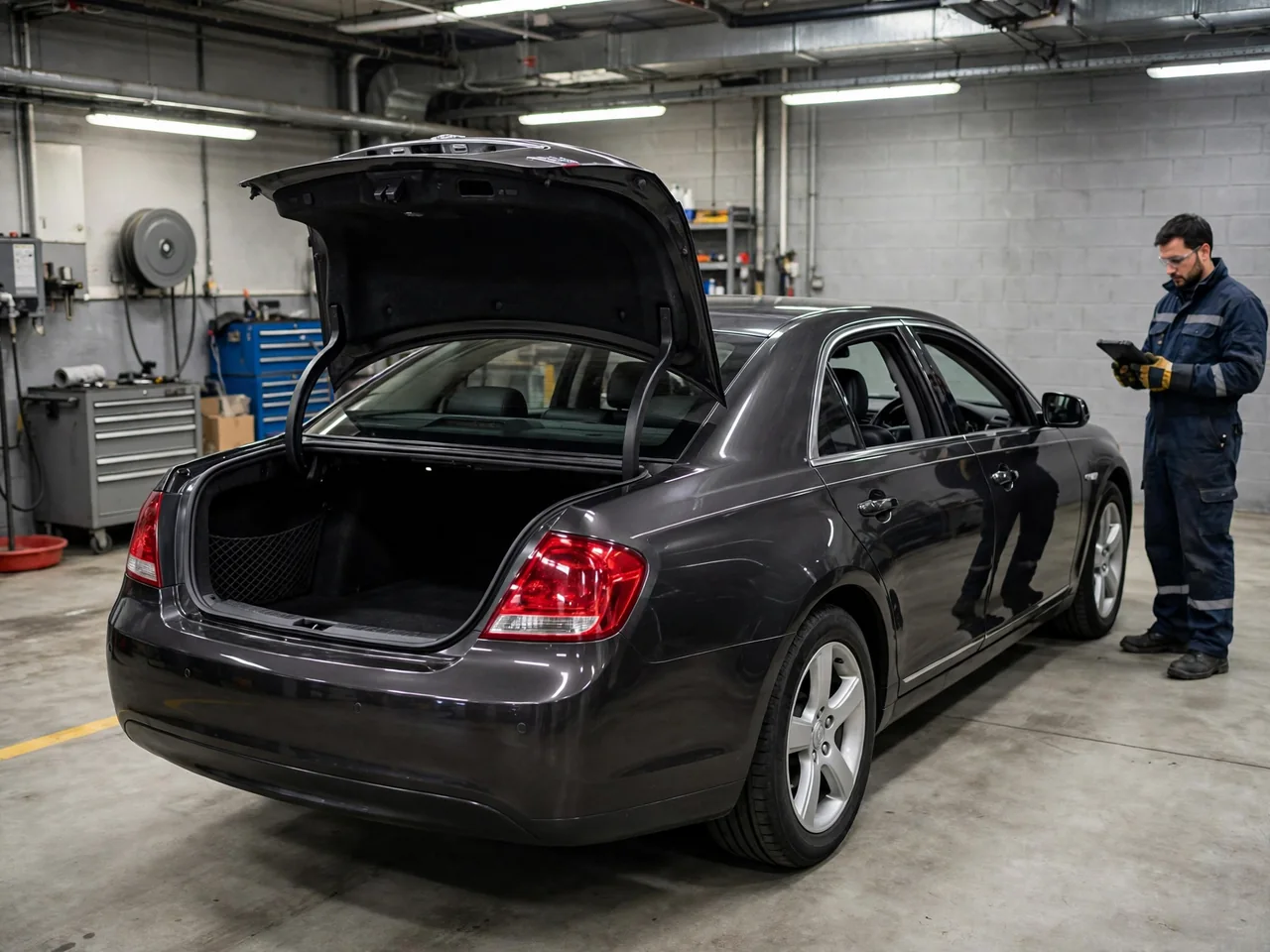
The 2012 Buick LaCrosse eAssist is a mild-hybrid sedan that uses a small lithium-ion battery pack to support its gasoline engine. When this high-voltage battery ages, drivers may notice reduced auto-stop activity, lower fuel economy, or hybrid system warnings—and wonder about warranty coverage and replacement costs. This article explains the battery's role, warning signs, diagnostic steps, warranty checks, replacement options, and safety, so you can address a potential 2012 Buick LaCrosse hybrid battery issue with confidence.
What the eAssist Hybrid Battery Does in a 2012 Buick LaCrosse
The eAssist system in the 2012 Buick LaCrosse is a mild hybrid, meaning the electric motor assists the engine rather than driving the car on electricity alone. The lithium-ion hybrid battery pack stores energy captured during regenerative braking and releases it to help the engine during acceleration, reducing fuel consumption. It also powers the auto-stop/start feature, shutting the engine off at idle and restarting it quickly. This design improves efficiency without the full electric-only range of a strong hybrid.
It's essential to distinguish the high-voltage hybrid battery from the conventional 12-volt auxiliary battery under the hood. The 12-volt battery runs lights, infotainment, and engine starting, while the lithium-ion pack feeds the motor-generator and stores regenerative energy. Not every 2012 LaCrosse has eAssist; some trims use a standard powertrain. Owners should confirm their vehicle's equipment via the VIN, window sticker, or RPO codes to avoid misdiagnosing a battery issue.
Warning Signs of a Weak or Failing eAssist Battery
A failing eAssist battery may first show itself through the loss of auto-stop/start. The engine may no longer shut off at red lights, or restart assist feels weaker, and fuel economy may drop. Drivers might see a 'Service Hybrid System' message or a hybrid system warning light on the dashboard. These signs indicate the system is limiting battery use to protect itself, but they don't always mean the pack itself has failed—a weak 12-volt battery, extreme temperatures, or a cooling-system fault can produce similar symptoms.
Safe observation can help a technician. Note when the symptom occurs, the outside temperature, and any dashboard messages. Cold weather reduces battery performance temporarily, and a failing 12-volt battery can disable auto-stop. However, if the car loses power, shows a serious hybrid warning, or enters a reduced-performance mode, it should be checked soon—driving long distances on guesswork risks further damage or being stranded. Record these details before visiting a shop.
Reading Hybrid Trouble Codes Without Guessing
Hybrid trouble codes on the 2012 LaCrosse often have manufacturer-specific definitions. A generic OBD-II scanner may show a code like P0A7F or P1A0C, but the exact meaning can vary by model and engine. Therefore, before concluding the battery is bad, the code must be interpreted using GM or Buick service information for your specific vehicle. A single code is not a universal verdict; it points to a subsystem that needs further testing, such as voltage sensors, cooling, or the battery control module.
Professional diagnosis goes beyond reading codes. A qualified technician will check live data from the battery management system, looking at individual cell voltages, state of charge, and temperature readings. They may test the cooling fan and coolant level, and verify whether software updates apply. Ask for a written diagnosis that lists the codes found, the tests performed, and the suspected cause. This documentation helps you make an informed decision and can be useful if you seek a second opinion before approving pack replacement.
Checking Hybrid Battery Warranty Coverage on an Older LaCrosse
Hybrid components on the 2012 Buick LaCrosse may have had a separate warranty beyond the bumper-to-bumper coverage, often longer for emissions-related parts in states following California rules. The exact length and terms depend on where the car was originally sold and its current registration. Don't assume a particular term applies—coverage can vary. A Buick dealer can check the current warranty status using your VIN, which reveals the build date, options, and any applicable hybrid component coverage.
When checking coverage, also ask the dealer about open service campaigns or special coverage adjustments for the eAssist system, though none are guaranteed. Service records and proof of ownership history matter when a warranty claim is reviewed, because the manufacturer may require evidence of proper maintenance or that the vehicle wasn't previously totaled. If the battery fails, having complete documentation can speed up the claim process and avoid out-of-pocket costs.
Replacement Options and What Drives the Cost
Replacement options for the eAssist battery include a new pack from a Buick dealer, a remanufactured or reconditioned pack, or a used salvage unit. A new pack offers the longest warranty and known history but costs the most. Remanufactured packs are rebuilt to factory specifications, often with new cells or modules, and carry a shorter warranty. Used packs are cheapest but have unknown wear and limited or no warranty, making them risky for a component that degrades with age and cycles.
The total replacement cost is driven by several factors: the source of the part, labor hours, diagnostic fees, required programming or initialization, core charges, and the shop's hybrid experience. Prices vary widely by region and availability, so avoid relying on generic online quotes. Always confirm that any replacement battery is compatible with your exact vehicle by VIN and part number—eAssist packs differ from other GM hybrids. Request written quotes listing parts, labor, programming, and the warranty on the replacement battery before making a decision.
High-Voltage Safety and When to Use a Qualified Hybrid Technician
The eAssist battery operates at high voltage, presenting a serious risk of electrical shock or system damage if handled incorrectly. Owners should never open, disconnect, or remove the pack themselves. Even when the car is off, the battery can retain a lethal charge, and improper handling can short-circuit modules or damage the battery management system. This work requires specialized insulated tools, personal protective equipment, and training specific to hybrid vehicles.
To find a qualified shop, look for technicians certified in hybrid vehicle repair, such as ASE L3, or a dealer with Buick eAssist experience. Ask whether they have the proper scan tool to communicate with the battery controller, and whether they follow GM service procedures for de-powering the system. After a crash, flooding, a burning smell, or visible damage near the battery area under the rear seat or trunk, get professional help immediately—do not attempt to move or inspect the battery yourself.