2010 Ford F-150 Shift Lock Release: How It Works and What to Check
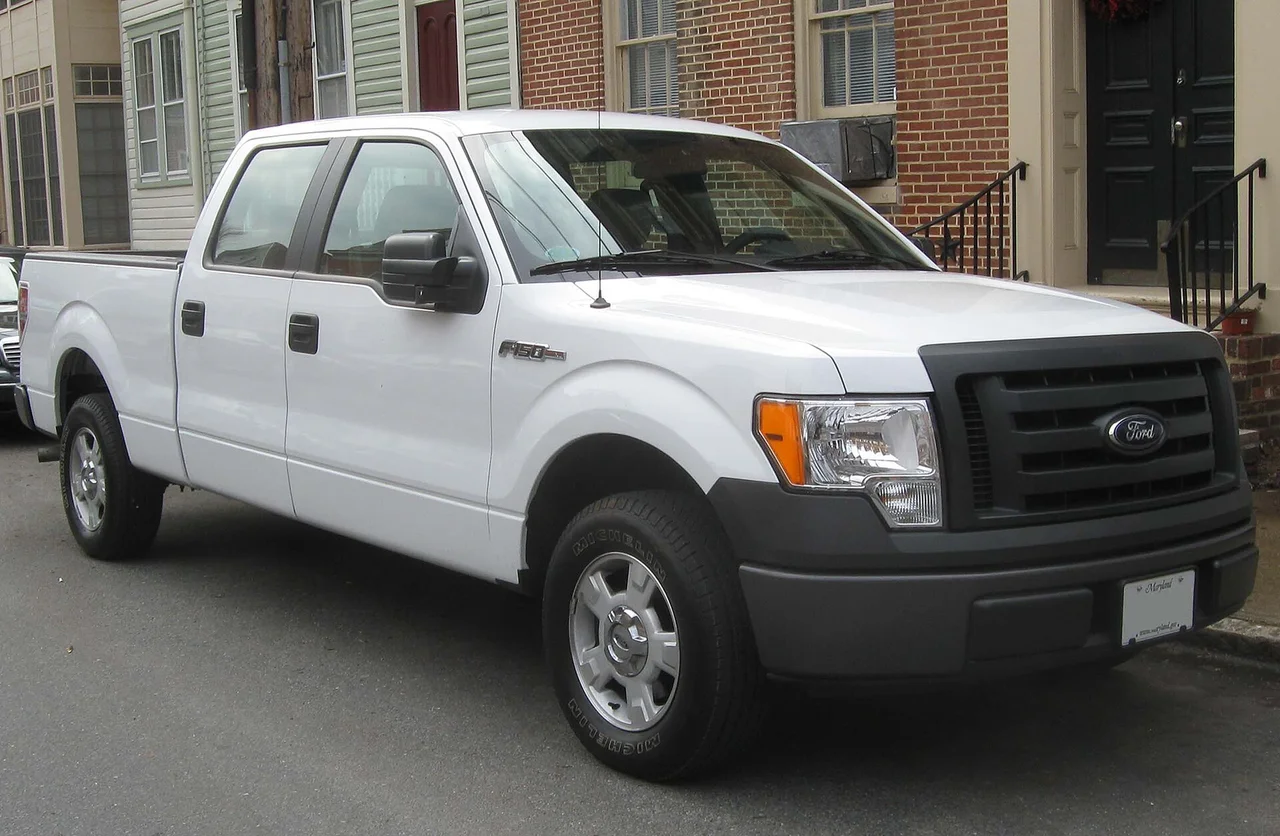
When a 2010 Ford F-150 will not come out of Park, the shift lock is usually what is holding the lever. Ford calls this system the brake-shift interlock. This guide explains what the release does and how it differs between column and console shifters. It also covers what owners can safely check, and where a manual override stops being a solution and a proper diagnosis begins.
Releasing the shift lock: the short answer
Start by ruling out the simple causes. The ignition must be in the on or run position, and you must press the brake pedal firmly before moving the lever. If the lever still will not leave Park, the truck has a manual brake-shift interlock override. It lets you move the shifter to Neutral so the vehicle can be pushed, loaded or towed. The exact access point and steps are in the brake-shift interlock section of the owner's manual for your truck. They differ between the steering column shifter and the floor console shifter fitted to some trims.
The override is a temporary way to move the truck, not a repair. A shifter that refuses to leave Park is a symptom with several possible causes, and using the release does not tell you which one is responsible. Use it to get the truck where it needs to go, then find out why the interlock did not release on its own.
How the brake-shift interlock works
The brake-shift interlock is a small electrically controlled lock built into the shifter assembly. When the truck is in Park, a solenoid or actuator blocks the shift mechanism. With the ignition on, pressing the brake pedal closes the brake pedal switch, which also controls the brake lights. The system then energizes the actuator so the lock withdraws, and only then can the lever move out of Park. The purpose is to keep the truck from being shifted into gear without a foot on the brake.
The release depends on power, a brake signal and a moving mechanical part, so it can fail at several points. Any of these can leave the lever locked: low battery voltage, a blown fuse, a faulty brake pedal switch or its wiring, a sticking actuator, or binding in the shifter or shift cable. Because the same complaint can come from any of them, the symptom alone does not identify the failed part.
What changes the answer on your truck
The biggest difference is where the shifter is mounted. Most 2010 F-150s use a column-mounted shifter, while trims with a center console and bucket seats can have a floor shifter. The interlock components, the override access point and the repair parts are different for each, so confirm which one your truck has before following any procedure. Transmission type matters less for the release itself, because the interlock sits in the shifter rather than inside the transmission. Depending on engine, the truck left the factory with either a four-speed or a six-speed automatic, which affects parts fitment and any diagnosis beyond the shifter.
Operating conditions also change the picture. On a steep grade without the parking brake set, the truck's weight can press hard on the parking pawl. The lever can then feel locked even when the interlock has released, and setting the parking brake first and relieving that load usually frees it. A weak or dead battery can prevent the actuator from releasing at all. Three more things are worth noting because each points diagnosis in a different direction: spilled liquid around a console shifter, aftermarket trailer brake or lighting wiring that taps into the brake signal, and earlier shifter or column work in the service history.
Using the manual release safely
Secure the truck before using the override. Park on level ground if possible, apply the parking brake firmly and chock the wheels, because the truck can roll once the transmission is in Neutral. Follow the owner's manual for the required ignition position and whether the key should be in or out. Keep your foot on the brake while moving the lever, and make sure nobody is standing in front of or behind the vehicle.
On many Ford vehicles of this era, the override works like this: remove a small cover or trim piece, press and hold the release with a suitable tool such as a small screwdriver, and move the lever to Neutral while holding it. Do not pry against trim or force the lever. If the lever will not move with the release held, the problem is likely mechanical rather than electrical. Once the truck has been moved, return the lever to Park, set the parking brake and check whether the interlock now works normally.
Checks before blaming a part
A few observations can narrow the cause without special tools. Have a helper watch the brake lights while you press the pedal. If none come on, the brake pedal switch, its fuse or its wiring becomes a strong candidate, since the interlock usually relies on the same signal. If the brake lights work, the signal may still not be reaching the interlock, or the actuator itself may not be responding. With the ignition on and the cabin quiet, you can sometimes hear a faint click from the shifter area when the pedal is pressed. No click suggests the actuator is either not being commanded or not moving.
Check battery condition, since low voltage can cause odd electrical behavior. Also inspect the stop lamp and brake-shift interlock fuses listed in the fuse panel chart for your truck. A scan tool can show whether any diagnostic codes are stored. A brake switch fault sometimes sets a code, but a stuck interlock can also leave no code at all. Write down when the problem happens, such as only when cold, only on a slope, or only some of the time, along with any other shift behavior you notice. That record helps a technician far more than a description of the symptom alone.
Limitations and the next step
This guide cannot replace the procedure for your specific truck. Take the override location and steps from the owner's manual for your shifter type, and match any parts by VIN or build details to ensure correct fitment. If the override does not free the lever, the problem may involve the shift cable, its bushing or adjustment, or the transmission itself. The same applies if the lever moves but the gear indicator or the transmission does not respond as expected. In either case, the truck needs professional inspection rather than further forcing.
Repair options include replacing a brake pedal switch or fuse, repairing wiring, replacing the interlock actuator or the shifter assembly, or adjusting or replacing the shift cable. The right choice only follows a confirmed diagnosis. Avoid permanently disabling the interlock, since it exists to prevent unintended movement when the truck is started or shifted. If the truck must be moved before it is repaired, use the override and a properly secured tow, then have a qualified technician diagnose it.