2010 Ford F-150 Shift Interlock Solenoid Location
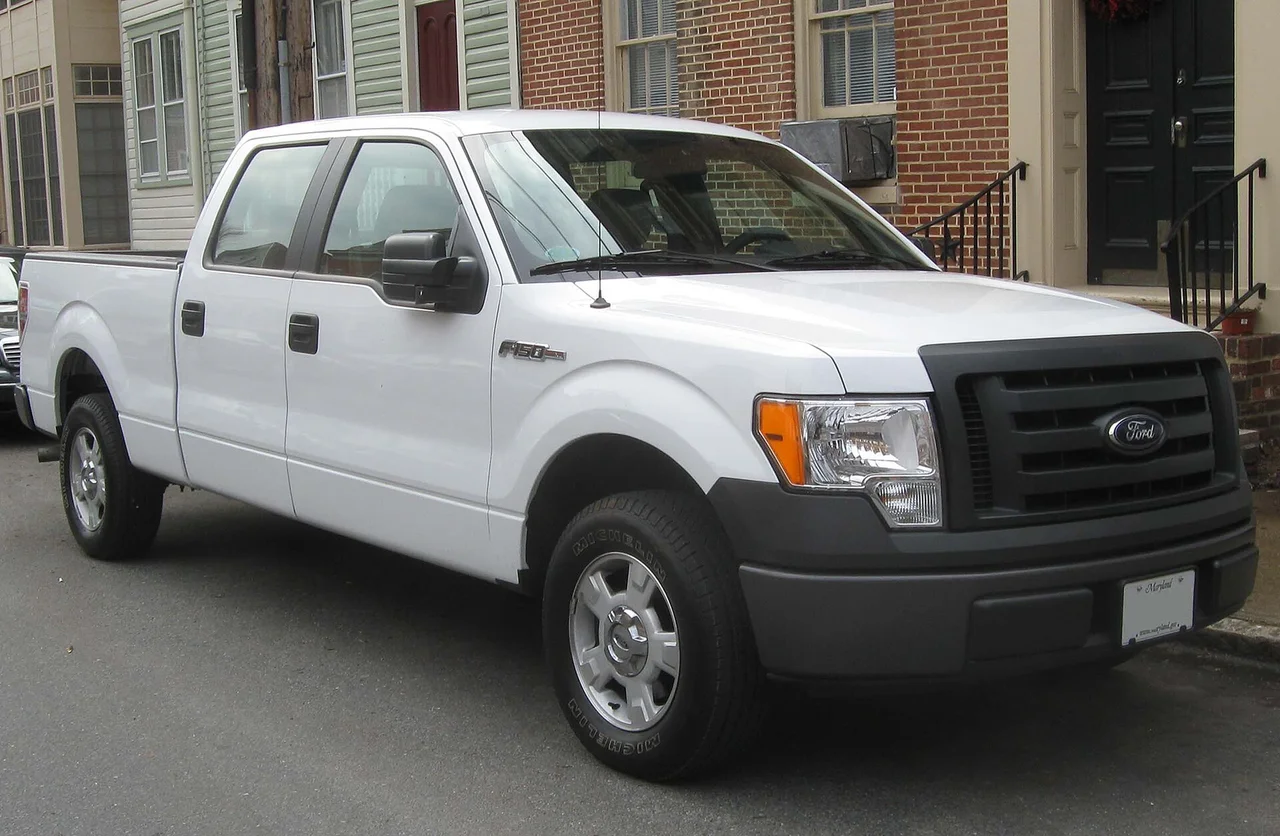
On a 2010 Ford F-150, the shift interlock solenoid is at the gear selector, not on the transmission. Its exact location depends on whether the truck has a steering column shifter or a floor console shifter. This guide covers how to tell which setup you have, how the brake shift interlock works, what else can keep the lever locked in Park, and what to check before buying parts.
Where the Shift Interlock Solenoid Is Located
Most 2010 F-150s with a bench-style front seat use a column-mounted shifter. On these trucks the brake transmission shift interlock, often shortened to BTSI, is part of the shift mechanism on the steering column. To reach it, you generally remove the upper and lower steering column shrouds. On many trucks you also have to remove the lower dash trim or knee panel under the column. The actuator and its electrical connector are mounted on the column at the shift mechanism, where a plunger or lever holds the selector in Park.
Trucks with front bucket seats and a center console use a floor-mounted shifter. In that layout the interlock solenoid is built into the shifter assembly under the console, near the base of the lever. Access usually means removing the shifter bezel and the console trim around the gear selector. On some floor shifters the solenoid is sold only as part of the complete shifter assembly. Check what is actually available for your truck before taking anything apart.
In both layouts the solenoid is separate from the transmission. The 2010 F-150 used the 4R75E four-speed automatic with the base 4.6L two-valve engine and the 6R80 six-speed automatic with the other engines. Either way, the shifter reaches the transmission through a cable, and the interlock only controls whether the lever can leave Park. Your transmission type matters more for shift behavior and fluid specification than for finding this part.
How the Brake Shift Interlock Works
The interlock is a safety feature. It keeps the shifter locked in Park until the ignition is on and the brake pedal is pressed. When you press the pedal, the brake pedal position switch sends a signal that changes the solenoid's state. A pin or lever then retracts and frees the shift mechanism. When the truck is back in Park, the lock engages again.
The solenoid depends on the same brake switch signal that turns on the brake lamps, so the brake lights are a useful clue. The interlock also needs power through a fuse, sound wiring, and a good connector at the shifter. A fault anywhere in that chain, not only in the solenoid itself, can leave the lever stuck in Park.
Some problems are mechanical rather than electrical. If the truck is parked on a slope and the parking pawl is carrying the vehicle's weight, the lever can be hard to move even when the interlock has released. A worn or misadjusted shift cable, a binding column mechanism, or debris inside a floor console can feel like an interlock failure too.
What Changes the Answer
The shifter layout is the biggest variable, and you can identify it by looking at the cab: a lever on the steering column or a selector in the center console. Seat and trim configuration usually predicts which one you have, but a look at the truck settles it. Service history matters too. A replaced steering column, swapped console, or earlier interlock repair may not match the original factory parts. Aftermarket equipment can also be involved. Remote starters, trailer brake controllers, and extra lighting sometimes tap into brake switch or ignition circuits, which can affect the interlock signal.
Operating conditions also change what a symptom means: • A lever that sticks only when parked on an incline points toward parking pawl load rather than the solenoid. • A lever that never releases, at any temperature or location, points toward a missing signal, missing power, or a failed actuator. • Trouble that comes and goes with cold weather, bumps, or low battery voltage suggests a weak connection or a marginal electrical supply. None of these patterns confirms a specific failed part on its own.
What You Can Check Before Replacing Parts
Start with simple observations: • Have someone watch the rear of the truck while you press the brake pedal. If the brake lights stay off, check the brake switch, its connector, and the related fuse before the interlock solenoid. The fuse chart in the owner's manual shows the fuse locations for your truck. • With the ignition on and the cab quiet, press and release the brake pedal. Many interlock actuators make a faint click near the column or console. Hearing the click while the lever stays locked points toward a mechanical problem. Hearing nothing points toward the electrical side. • Make sure the battery is healthy, because low voltage can affect the interlock as well as other electrical systems.
If you need to move the truck while the lever is locked, the owner's manual describes a manual shift lock release for your shifter type. Set the parking brake first and follow that procedure exactly. The release is for moving the vehicle only and is not a repair. Do not leave the interlock disabled. A scan tool that reads diagnostic codes and live data can sometimes show whether the brake switch status changes when you press the pedal, which helps separate a switch fault from a solenoid or wiring fault. A basic code reader may not show this.
When ordering parts, confirm fitment by shifter type and, ideally, by VIN with the parts supplier. Column and console interlock components are not interchangeable. Repair options range from replacing a brake switch or repairing a connector to replacing the actuator or the whole shifter assembly. Choose based on what your checks showed, not on the symptom alone.
Limitations and Next Step
This guide describes the general layouts used on the 2010 F-150. It cannot confirm the exact fasteners, connector positions, or part numbers for your truck. Removal steps vary between column and console shifters and may differ on trucks that have had earlier repairs. A stuck shifter is a symptom with several possible causes, and the brake switch, a fuse, wiring, the shift cable, and the shifter mechanism all need to be ruled out before you can blame the solenoid.
Working around the steering column puts you close to the driver airbag and its wiring. Follow the factory service procedure for disabling the supplemental restraint system before disassembly, or have a qualified technician do the work. If your checks don't clearly point to one component, or the column or shifter needs more than trim removal, a shop with Ford-capable diagnostic equipment can test the circuit directly and avoid unnecessary parts replacement.