2007 Duramax Glow Plug Control Module: How to Choose the Right Replacement
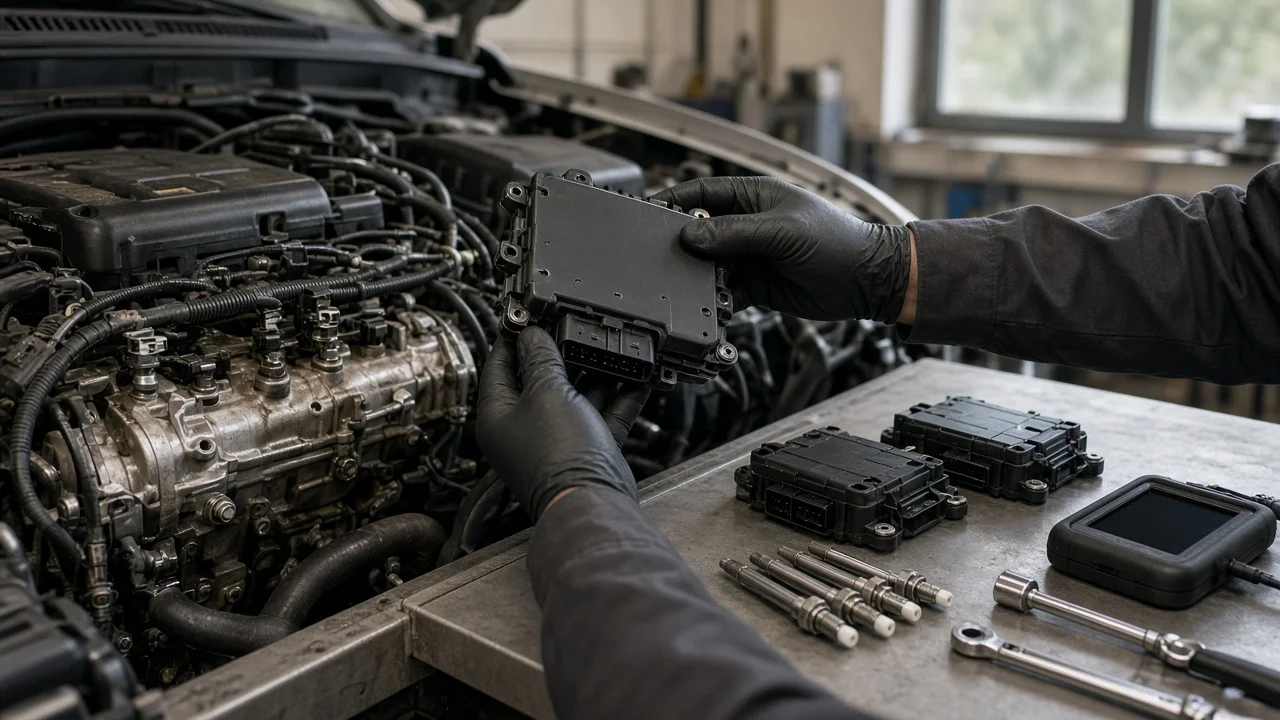
A failing glow plug control module on a 2007 Duramax usually shows up as hard cold starts, white smoke after startup, a glow plug indicator that stays on, and stored glow plug codes. Before you buy a replacement, confirm that the module is actually at fault and that the part matches your engine, because 2007 was a split year for GM heavy-duty diesels. This guide covers how to define the need, check fitment, weigh features and costs, and narrow the options.
Define the job the product must do
The glow plug control module switches battery current to the eight glow plugs when the engine control module commands preheat, then reports circuit faults back to it. It does not create heat, meter fuel or control injection. A good module simply delivers current reliably to each plug for the time the engine computer requests, and flags a problem when a circuit opens or shorts. If the module fails, one or more cylinders stay cold during cranking, which shows up most clearly below freezing and fades as the engine warms.
Separate glow plug complaints from fuel complaints before spending money. A truck that cranks long and starts rough in cold weather but behaves normally once warm fits a preheat problem. A truck that is hard to start warm, stalls, loses power under load or smokes at operating temperature points elsewhere: a restricted fuel filter, air entering the supply side, low rail fuel pressure, a weak high-pressure fuel pump or an injector returning too much fuel. Diesel fuel that has gelled in severe cold can also mimic a preheat fault, so consider fuel grade and climate when reading symptoms.
Finally, set your practical constraints. A truck that sees daily cold starts in a northern climate justifies a quality part and a corrosion-resistant connection. A truck in a mild climate that rarely sees freezing mornings can tolerate more patience while you diagnose. Budget, downtime and whether you have scan tool access also shape what kind of module and seller makes sense.
Check compatibility
The 2007 model year covers two Duramax 6.6L engines. Classic body trucks carried over the LBZ, while the redesigned heavy-duty pickups introduced partway through the year use the LMM, which brought new emissions hardware and a different engine configuration around the module. Glow plug controllers for these engines are not automatically interchangeable, so a listing that simply says it fits a 2007 Duramax is not enough. Identify your engine from the RPO code sticker, usually in the glove box, and from the eighth character of the VIN, then match the part number to that engine and body style rather than to the model year alone.
Next, compare the interfaces. Check the connector count, terminal layout and locking style against your existing harness, along with the mounting bracket and module location for your body style. Van and chassis cab applications can differ from pickups, so confirm the exact vehicle type in the catalog listing. If your harness connector is corroded or its locking tabs are broken, check whether a replacement pigtail is available for that same connector.
Diagnostic codes help confirm the need. Codes in the P0670 to P0678 range point to the module circuit or individual cylinder glow plug circuits, and P0683 relates to communication between the module and the engine computer. A single cylinder code more often means a failed glow plug or a damaged wire than a bad module, so measure that plug and circuit before replacing the controller.
Features that affect the choice
The main decision is between an original equipment part, a new aftermarket unit and a remanufactured module. Original equipment parts offer the most predictable fit and diagnostic behavior with the factory engine computer, usually at a higher price. Aftermarket units vary widely in build quality and seal design. Remanufactured modules can be cost-effective, but ask what was actually replaced or tested during remanufacture and whether a core charge applies.
Focus on features you can verify. Useful evidence includes a stated part number cross-reference to the factory number, a listed connector type, sealing for an exposed under-vehicle location, and a clear statement of whether the unit reports individual circuit faults the way the original does. Labels such as heavy duty, upgraded or plug and play mean little without specifications behind them. A module that switches current but cannot report faults correctly can leave you without useful codes the next time a plug fails.
Warranty length, return policy on electrical parts and seller support matter more than marketing claims. Many sellers restrict returns on installed electrical components, so confirm fitment and diagnosis before installation, not after.
Limitations and ownership costs
A new module cannot fix burned-out glow plugs, chafed or corroded wiring, a loose battery feed, or weak batteries. Glow plugs draw substantial current, and low battery voltage can trigger codes or poor preheat on its own. Test battery condition, the power feed to the module and each glow plug's resistance before replacement. Budget for possible extras: one or more glow plugs, a connector pigtail, dielectric grease for the connector seals, and scan tool time to clear codes and confirm the circuits afterward. If the module sits where it collects road spray and salt, plan on periodic inspection of the connector.
The module also has nothing to do with fuel delivery. If diagnosis points to fuel, check filter service history, supply-side restriction and scan data such as rail fuel pressure against desired pressure and injector balance rates, which serve a similar role to fuel trim on a gasoline engine. The common-rail system operates at extremely high pressure, and escaping fuel can penetrate skin and cause serious injury. Do not loosen high-pressure lines or injector fittings to bleed, inspect or depressurize the system with the engine running or recently shut off. Perform any leak check or return-rate test with the correct procedure and equipment, or leave it to a qualified diesel shop. Fuel additives may help with conditions such as cold-weather gelling, but they are not a repair for a failed module, glow plug, injector or pump.
Disconnect the batteries before working on the glow plug circuit. Both batteries feed the electrical system on these trucks, so disconnect both before unplugging the module connector or harness.
Build a practical shortlist
Start your shortlist only after diagnosis supports a module fault. Confirm that the stored codes, plug resistance readings and voltage checks point to the controller rather than an individual plug, the harness or battery supply. Rule out fuel causes if the symptoms are not limited to cold starts. Then confirm the engine as LBZ or LMM from the RPO sticker and VIN, and note your body style and vehicle type.
For each candidate module, record the part number and how it cross-references to the factory number, the condition (original equipment, new aftermarket or remanufactured), connector and mounting match, sealing information, whether fault reporting to the engine computer is stated, warranty length, return terms for electrical parts, and any core charge. Add the cost of a pigtail, glow plugs if testing found weak ones, and scan tool time. Avoid listings that give only a broad year range without engine-specific fitment.
Choose the option that matches your engine exactly and carries a clear warranty from a seller who will confirm fitment by VIN. In a cold climate with daily starts, paying more for an original equipment module and a new connector is often cheaper than a second repair. After installation, clear codes, run the glow plug circuit test with a scan tool if available, and confirm a clean cold start before considering the job finished.