2006 BMW 325i Windshield Glass: Fitment, Options and What to Check Before Buying
The short answer
In the North American market, a 2006 BMW 325i sedan belongs to the E90 3 Series generation, which launched for the 2006 model year. A 2006 325xi wagon is the closely related E91 version. The 2007 328i replaced the 325i in that market as part of the same generation, so a 2006 325i sedan and a 2007 328i sedan share the same basic body and windshield opening. The engine change does not affect the glass.
Whether a specific replacement windshield fits your car depends mainly on two things: the body style and the factory options built into the glass. Matching the model name and year alone is not enough to guarantee the correct part.
Body style matters more than the model year
The E90 generation came in several body styles, and they do not all use the same windshield.
Sedan (E90): the 2006 325i and the 2007 328i sedans fall here and share a windshield opening. Wagon (E91): generally regarded as sharing front-end glass with the sedan. Confirm this against the part number for your car. Coupe (E92) and convertible (E93): these arrived for the 2007 model year as the 328i and 335i. They use different windshields from the sedan, so a sedan windshield should not be assumed to fit a 2007 328i coupe or convertible. Older E46 convertibles: some E46-generation convertibles were still sold as 2006 models, badged 325Ci rather than 325i. These use E46 glass that is unrelated to the E90.
Outside North America, model naming and timing differed. In other markets, confirm the generation from the vehicle identification number (VIN) or the vehicle documents rather than relying on the badge.
Options that change which windshield you need
Windshields for the same body can vary in their built-in features. The features below commonly create separate part numbers on BMWs of this era. However, the exact combinations offered on 2006–2007 E90 cars were not documented in the material available for this article. Check your own car rather than assuming any feature is present or absent.
Rain and light sensor: many cars have a sensor mounted behind the mirror area. A compatible windshield needs the matching sensor bracket and clear zone. The sensor normally needs a new optical gel pad when it is transferred to the new glass. Mirror mount style: the rearview mirror base and any auto-dimming mirror or trim cover must suit the glass's mounting point. Shade band or solar tint: some windshields have a tinted strip across the top or an infrared-reflective coating. Glass without these may look or perform differently. Acoustic interlayer: some replacement glass includes a sound-dampening layer. Glass without it may let more wind noise into the cabin. Market-specific features: some markets offered features such as heated windshields. These require a specific part.
How to confirm the correct glass
Give the glass supplier or installer your VIN. A VIN lookup is the most reliable way to identify the correct part number and factory options. Look behind the rearview mirror. Note whether there is a sensor housing and what kind of mirror mount is fitted. Check the markings in the corner of the existing windshield. Note the manufacturer and the codes printed there, which help match a replacement. Confirm the body style (sedan, wagon, coupe or convertible). Do this especially when comparing a 2006 325i with a 2007 328i listing.
OEM versus aftermarket glass
Replacement windshields come in three broad types:
Original-equipment (OEM) glass: made to the factory specification and usually carrying the vehicle maker's logo. OEM-equivalent glass: from the same or a comparable manufacturer but without the maker's branding. Aftermarket glass: made by other producers.
In general, the differences between these types can involve optical clarity, fit at the edges, and whether features such as the acoustic layer or solar coating are included. This is a general observation, not a tested comparison of specific products for this car. No test data, part numbers or prices for 2006 325i or 2007 328i windshields were available for this article.
Installation considerations
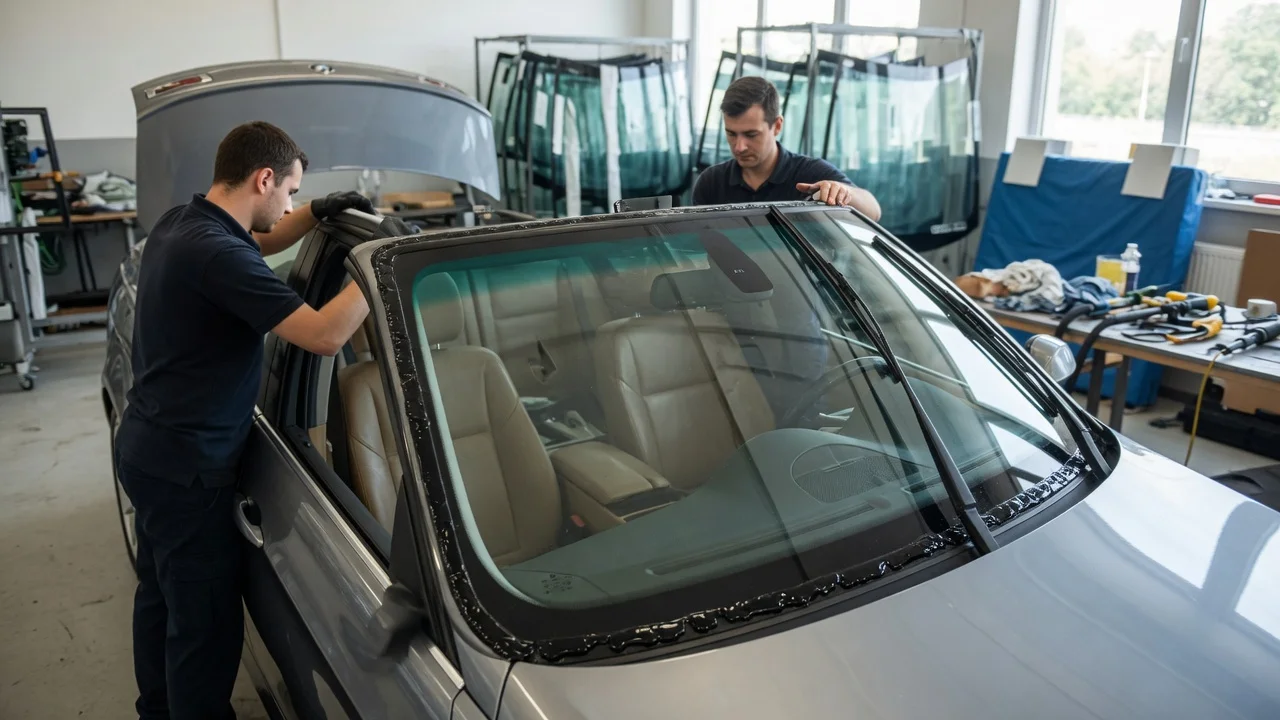
Windshields on this generation are bonded to the body with urethane adhesive. The adhesive needs time to cure before the car is driven, and the curing time depends on the product used. Installers typically also replace the exterior trim or moulding, because it is often damaged during removal. Ask whether new trim is included in the quote.
Camera-based driver-assistance systems that need recalibration after glass replacement are a common concern on newer cars. The material available for this article did not document whether such equipment was fitted to 2006–2007 E90 models in any market. Ask the installer to check this from your VIN.
Information gaps
This guide covers how fitment is determined, not specific catalogue data. The following were not available and should be confirmed with a parts supplier or dealer using your VIN:
Exact part numbers; Option-by-option compatibility for each production date; Pricing; Any differences in glass between mid-cycle production changes