Identifying a 2005 Honda Odyssey Transmission Shift Solenoid
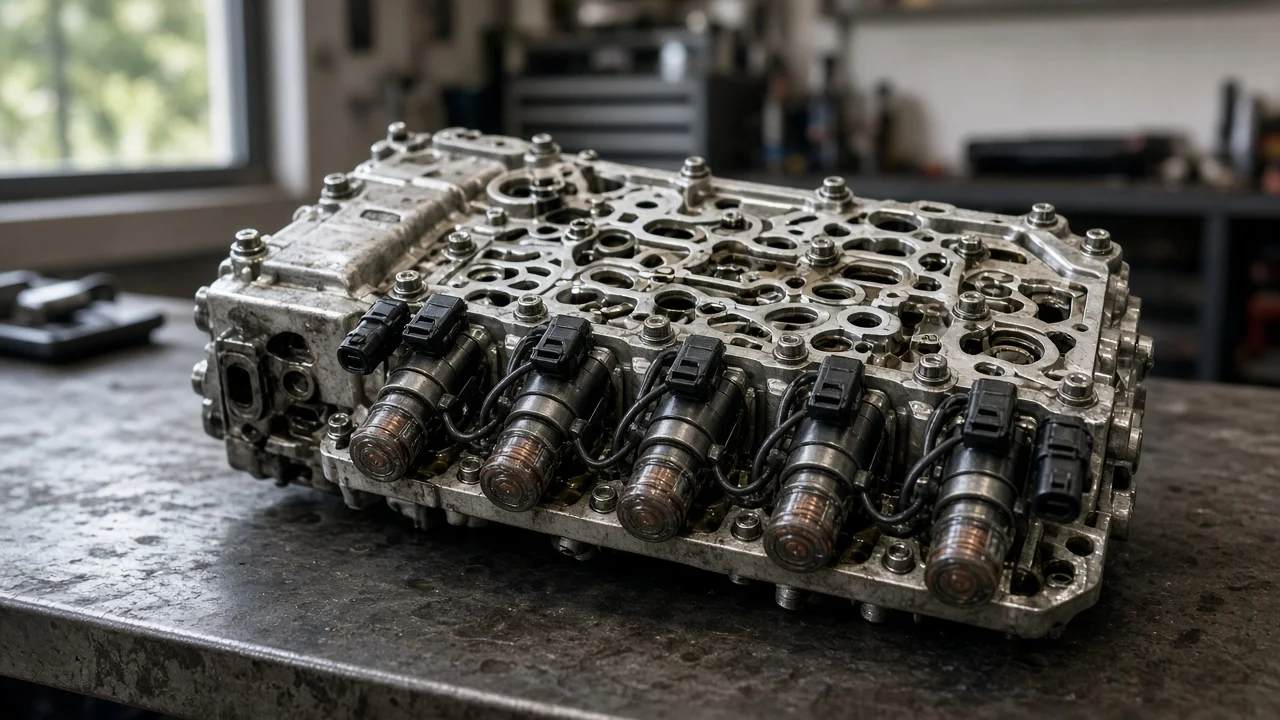
When a 2005 Honda Odyssey starts shifting late or harshly, or gets stuck in one gear, owners often suspect the shift solenoids first. Finding the right solenoid takes more than matching a symptom. You need to confirm the transmission in your van, read the stored diagnostic codes and know which valve controls which function. This guide explains how the system works, what changes the diagnosis and what an owner can check before buying parts.
The short answer for the 2005 Odyssey
US-market 2005 Odyssey models use a five-speed automatic transmission. The 2005 model year began a new generation of the van, so parts listed for 1999 to 2004 Odysseys belong to a different transmission and may not fit. The transmission does not have a single shift solenoid. It uses several electronically controlled solenoid valves. Some route hydraulic pressure to select gears, and others manage line or clutch pressure and torque converter lock-up. To identify the correct part, match the diagnostic trouble code to the specific valve, then confirm fitment by VIN and transmission code.
A symptom alone does not prove that a solenoid has failed. A flare between gears, a missing gear or a delayed engagement can also come from low or degraded fluid, a clogged solenoid screen, a faulty pressure switch, damaged wiring or internal clutch wear. Treat the solenoid as a suspect until testing confirms it.
How the shift solenoids control gear changes
The control module reads vehicle speed, throttle position, engine load and the transmission's own speed sensors. It then energizes the solenoid valves in set combinations. Each solenoid opens or closes a hydraulic passage, which moves shift valves and sends pressurized fluid to the clutch pack for the selected gear. Honda automatics of this design use clutches on parallel shafts instead of planetary gearsets. How smoothly the transmission shifts therefore depends on when one clutch is released and the next is applied.
On Honda automatics of this period, the solenoid valves mount on the outside of the transmission case as bolt-on units. Each has an electrical connector and a small filter screen where fluid enters. These transmissions have no conventional drop-down oil pan, so solenoid service usually does not require opening the case. Clutch pressure switches tell the control module whether hydraulic pressure actually reached a clutch. For that reason, some codes describe a pressure or gear ratio problem rather than a solenoid circuit fault.
What changes the diagnosis
The model year boundary matters most. A 2004 and a 2005 Odyssey share a name but not a transmission design, so a solenoid listed simply for an Odyssey may be wrong for your van. Replacement parts may also have been superseded by revised part numbers over time, and transmission codes can differ between production runs. The label on the transmission case and the vehicle identification number are the reliable references for fitment.
The fluid specification also affects the result. Honda specified its own automatic transmission fluid for this unit. The original ATF-Z1 has since been superseded by Honda ATF DW-1. Universal or non-Honda fluids can change friction behavior and cause shift complaints that look like a solenoid problem. Operating conditions matter as well. Some faults appear only when the fluid is hot, under heavy load, while towing or right after a cold start. An intermittent connector fault may not show up at all while the van sits on a lift.
Reading the codes and other evidence
Start with a scan tool that reads transmission diagnostic codes, not just the generic engine codes shown by basic readers. A code that names a specific solenoid circuit points to that valve or its wiring. Under the standard definitions, codes P0973 through P0980 cover circuit faults for shift solenoids A, B and C. Codes for a gear ratio error, a shift malfunction or a pressure switch describe a result rather than a part. They need further testing before any component is replaced.
Note the freeze frame data, the mileage and the exact conditions when the shift behavior goes wrong. Gather the service history, including when the fluid was last changed and what fluid was used. Check the fluid level using the procedure in the owner's manual, which specifies engine temperature and timing. Then look at the fluid's condition. A burnt smell, very dark color or visible particles suggest internal wear that a new solenoid will not cure.
What the owner can do
Several checks are within reach of a careful owner. Inspect the solenoid connectors and the nearby harness for fluid contamination, corrosion, loose locks or chafed wires. With the correct service specifications, a multimeter can check solenoid resistance and catch an open or shorted coil. If the service history is unknown or the fluid is old, many technicians prefer repeated drain-and-fill cycles with the correct Honda fluid over a pressure flush. After any repair, clear the codes and road test under the conditions that originally caused the problem.
Repair options depend on what testing shows. If a circuit code and a resistance or command test both point to one valve, replacing that solenoid or its assembly is reasonable. Buy by VIN-confirmed part number from an original equipment or reputable supplier. When you remove the solenoid, inspect its screen. Heavy debris points to clutch or bearing wear, and a new solenoid may only restore function for a while. Ratio or slipping codes combined with contaminated fluid usually call for a rebuild or replacement transmission evaluation rather than a solenoid.
Limits and when to get professional help
Without vehicle-specific service information, this guide cannot confirm the exact solenoid position, resistance values or connector pinouts for your van. A shop with a Honda-capable scan tool can command individual solenoids on and off, monitor pressure switch status and check for applicable software updates or service bulletins. Those tests separate a failed valve from a wiring or control fault far more reliably than symptoms can.
Read the codes and verify the fluid level and condition before you order parts. Seek professional help promptly if the transmission slips, overheats, shows metal debris, or the D indicator on the gauge cluster flashes. Honda uses that flashing indicator on many models to signal a stored transmission fault. Driving with an unresolved fault can turn a solenoid-level repair into a full transmission replacement.