2004 Ford Explorer Shift Lock Release: How to Get Out of Park
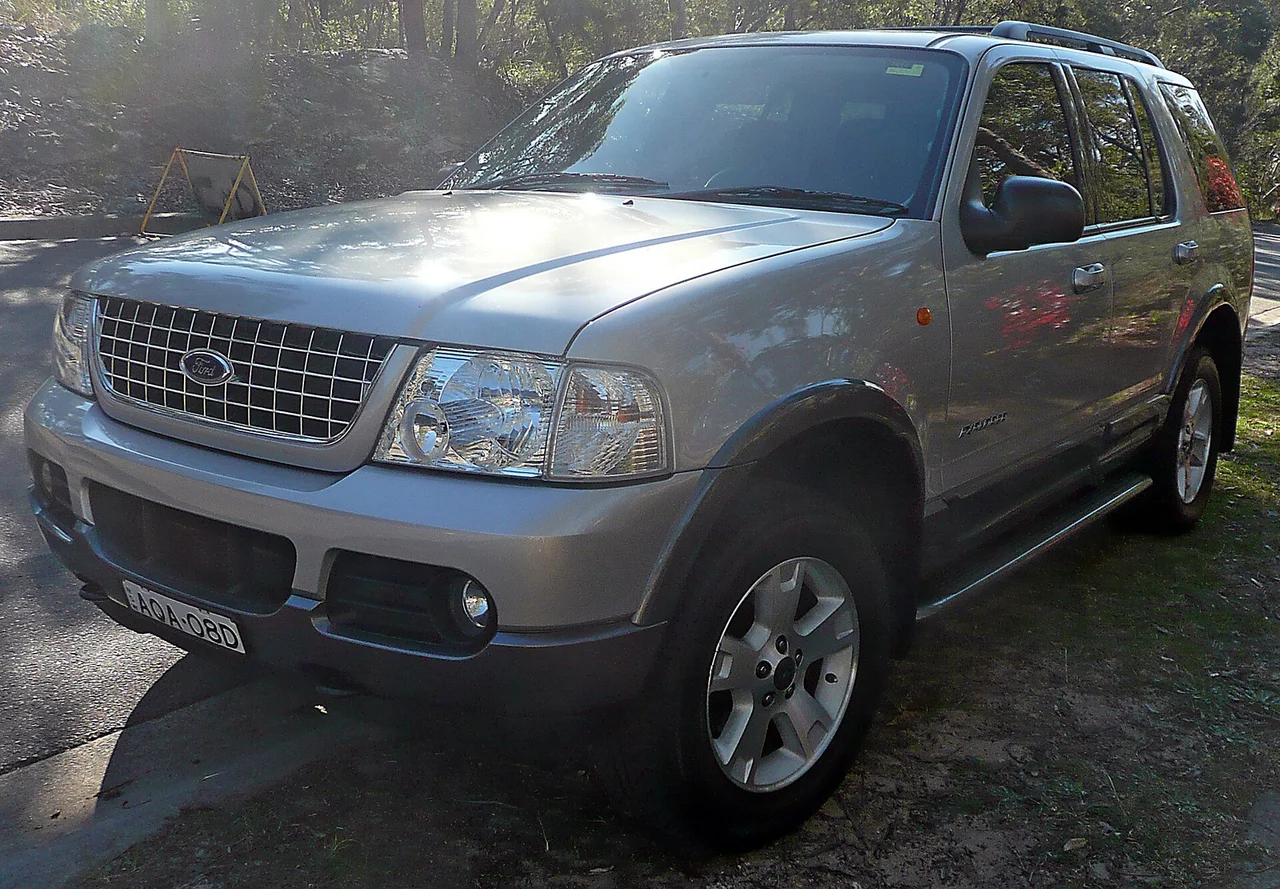
When the shifter on a 2004 Ford Explorer will not leave Park, the cause is usually the brake-shift interlock, a safety device that holds the lever until the system sees the brake pedal pressed. A manual shift lock release lets you move the vehicle, but it does not fix anything. This guide explains how the release works, what changes the procedure, and how to narrow down why the lock engaged.
The short answer
The 2004 Explorer has a brake-shift interlock that keeps the transmission in Park until the ignition is on and the brake pedal is applied. If the shifter stays locked even with the brake pressed, use the manual override described in the owner's manual under brake-shift interlock. On column-shift Ford trucks of this era, that usually means setting the parking brake, switching the ignition off, removing a lower steering column cover or trim panel, and pressing the interlock lever with a small tool while moving the shifter out of Park. The exact access point, covers and fasteners depend on the vehicle, so follow the manual for yours rather than a generic description.
Treat the release as a way to move the vehicle, not as a repair. If the interlock engaged without a clear reason, something in the brake signal or interlock circuit needs diagnosis. A stuck shifter is a symptom. It does not prove that any particular part has failed.
How the brake-shift interlock works
The interlock is an electrically controlled lock, normally a solenoid, positioned where it can block the shift mechanism. With the ignition on and the brake pedal pressed, a signal from the brake pedal switch circuit tells the system to release the lock, and the lever moves out of Park. Without that signal, or if the solenoid cannot move, the mechanism stays blocked whether or not your foot is on the pedal.
Because the interlock depends on the brake switch signal, it often shares a circuit or fuse with the brake lamps. That is why the brake lights are a useful first check. The manual override bypasses the electrical side and frees the lock mechanically. It does not change anything inside the transmission, so shift behavior after you are out of Park should be normal if the interlock was the only problem.
What changes the procedure and the diagnosis
Start by confirming exactly which vehicle you have. The four-door Explorer of this generation, the Explorer Sport and the Explorer Sport Trac were built on different platforms, and shifter location, trim layout and interlock access are not necessarily the same. Engine and transmission type also vary. The 2004 four-door Explorer was generally paired with a five-speed automatic behind both the V6 and the V8, but check the transmission identification for your vehicle rather than assuming. Fitment matters if you end up replacing a switch, solenoid or shift cable: confirm the part against your exact model, drivetrain and build details.
Operating conditions matter as well. Parked on a steep slope without the parking brake set, the vehicle's weight rests on the transmission's parking pawl. The lever can then feel locked even when the interlock is working, because the pawl is under load. A weak or discharged battery can keep the solenoid from releasing. The vehicle's service history is worth reviewing too. Recent work near the brake pedal, steering column or console, or aftermarket wiring for trailer lights or accessories, can disturb the circuit that feeds the interlock.
What the owner can check
Before forcing anything, set the parking brake, press the brake pedal firmly, turn the ignition to run and try the shifter again. If the vehicle is on a slope, rocking it slightly with the pedal held can take load off the parking pawl. Next, have someone stand behind the vehicle while you press the pedal. If no brake lights come on, a blown fuse, a faulty brake pedal switch or a wiring fault becomes more likely. That points toward the brake signal rather than the shifter, but it still does not confirm which part has failed.
If the brake lights work and the lever still will not move, listen near the shifter area while someone presses and releases the pedal with the ignition on. Many interlock solenoids make a faint click. Silence suggests a solenoid, connector or feed problem, though it is not proof. Also check the battery: dim lights or slow cranking can explain the lock on their own.
If you need to move the vehicle, chock the wheels, set the parking brake and use the override procedure from the owner's manual, working gently so you do not crack trim clips or bend the interlock lever. Once you are out of Park, confirm that the lever moves through each position and that the transmission engages each gear as expected.
When the problem is not the interlock
Sometimes the lever moves but the transmission does not respond, or the gear indicator does not match what the transmission is doing. A free lever with no change in gear points away from the interlock and toward the shift cable, the linkage or the connection at the transmission. Odd shift behavior after you leave Park, such as harsh engagement, delayed engagement or slipping, belongs to a separate diagnostic path.
That path involves checking fluid level and condition against the fluid specification for your transmission. The correct type is listed in the owner's manual and often printed on or near the dipstick. It also involves reading any stored diagnostic codes with a scan tool. An interlock fault on a vehicle of this age may set no code at all, so a clean scan does not clear the circuit, and a transmission code does not explain a locked shifter by itself.
Repair options
Repair depends on what testing shows. A blown fuse is the simplest fix, but a fuse that blows again points to a short that needs tracing. A brake pedal switch that does not switch cleanly, a solenoid that does not respond to power, or a damaged connector or wire can each produce the same locked shifter. A shop with a wiring diagram for your exact vehicle can test for voltage at the solenoid with the pedal pressed and separate a signal problem from a mechanical one. Avoid permanently disabling the interlock or making a habit of the override. The interlock exists to keep the vehicle from being shifted out of Park without the brake applied.
Limitations and next step
This article describes how the brake-shift interlock generally works and how owners usually approach a stuck shifter. It cannot replace the procedure written for your specific vehicle. Trim panel layout, override access and circuit routing can differ between body styles and builds, so the owner's manual and factory service information are the authority. If the override does not free the lever, if the lever moves but gears do not change, or if you are not comfortable working near the steering column, have the vehicle inspected by a qualified technician. Bring them what you observed about the brake lights, the solenoid click, the battery and any recent work. That information shortens diagnosis and helps avoid replacing parts on a guess.