2004 Duramax Glow Plug Control Module: How to Choose the Right Replacement
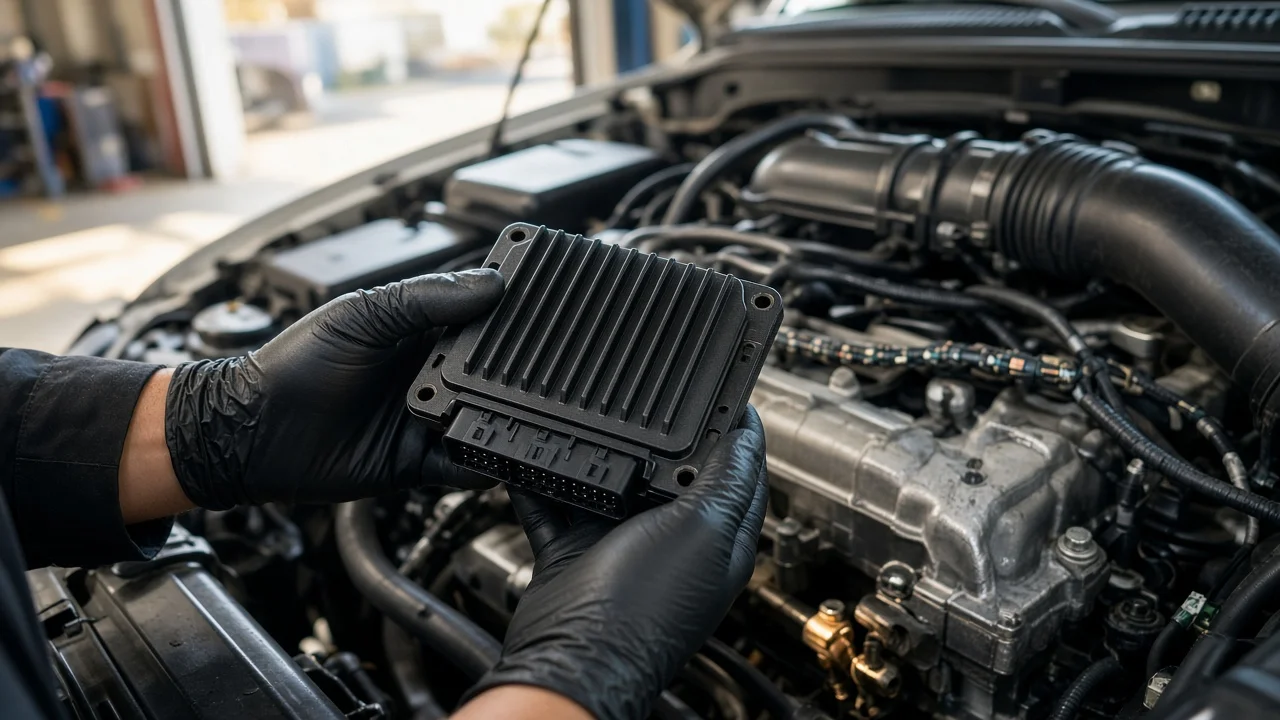
The 2004 model year covers two different Duramax engines, and that matters when you shop for a glow plug control module. Before comparing prices, confirm which engine your truck has and make sure the module is actually the failed part. It also helps to know what a replacement can and cannot fix. This guide covers fitment, the features worth paying for, ownership costs and a short checklist so you buy the right controller the first time.
Define the job the product must do
The glow plug control module switches high current to the eight glow plugs in the V8 when the engine computer commands it. It heats the combustion chambers before cranking and often keeps them warm briefly after startup. That heat makes a cold diesel start more easily, idle more smoothly and produce less white smoke. A failing module usually shows up as hard cold starts, extended cranking, white smoke in cool weather, a wait-to-start lamp that behaves oddly, or stored glow plug circuit codes.
How you use the truck sets your priorities. A pickup that sits outdoors through northern winters depends on the glow plug system far more than one in a mild climate or a heated garage. Commercial users who cannot afford a no-start morning may value an original-equipment unit and a strong warranty over the lowest price. Owners in salt-belt regions should weigh connector sealing and corrosion resistance heavily.
Confirm the diagnosis before you buy. Hard starting on these engines often comes from the fuel side. Common causes include air drawn in at the fuel filter housing, a restricted fuel filter, injector return leakage that keeps rail pressure from building, or a weak high-pressure fuel pump. A scan tool that displays desired and actual fuel pressure during cranking can separate a fuel problem from a heating problem. A visual leak check around the filter head and low-pressure lines is also worthwhile. If rail pressure builds normally and the glow plug circuits fault, the module becomes a reasonable suspect.
Check compatibility
Start with the engine. Early 2004 trucks use the LB7, and later 2004 trucks, often called 2004.5, use the LLY. The eighth character of the VIN identifies the engine: 1 indicates the LB7 and 2 indicates the LLY. The engine code is also usually printed on the service parts label inside the glove box. The two engines use different glow plug controllers, so a listing that only says it fits a 2004 Duramax is not enough to confirm fit.
Next, read the part number on the label of your existing module and cross-reference it against the replacement. Compare the connector shape, pin count and locking tab design, along with the mounting bracket or bolt pattern. If someone has already replaced the module, the old label may show an aftermarket number. In that case, verify the original number through your VIN with a parts counter. Cab-and-chassis and medium-duty variants deserve the same caution, because model-based catalog listings are less reliable for them than a part number match.
Features that affect the choice
The main decision is original equipment, remanufactured or aftermarket. An original-equipment or equivalent-brand module matches the factory electrical behavior and connector. That matters because the engine computer monitors the glow plug circuits and controls the wait-to-start lamp based on what the module reports. A replacement that does not report faults the same way can leave you without useful codes, or set false ones. A remanufactured unit can be good value if the rebuilder states what was replaced and backs the work with a clear warranty. Unknown-brand units vary widely in quality.
Look for verifiable details rather than marketing labels. A clear part number cross-reference, a stated warranty term, and photos showing the actual connector and mounting points are useful evidence. So are an intact connector seal and a return policy that accepts an installed part that fails early. Phrases like heavy-duty, upgraded or performance mean little unless the seller explains what changed. Faster heating or longer glow time is not automatically better, because the engine computer, not the module, decides how long the plugs are energized.
Limitations and ownership costs
A new module cannot fix a burned-out or shorted glow plug, a chafed harness, corroded terminals, a weak battery or a poor ground. A shorted plug or damaged harness can even damage a new controller. Before installing, measure each glow plug and inspect the harness for heat damage and corrosion. Many owners replace a full set of plugs while the system is apart, which adds parts cost and labor. Clean, sealed connections and protected terminals are inexpensive insurance.
The module also has no effect on injector wear, fuel pump output, fuel filter restriction or air in the fuel system. Fuel additives can help winter operability and keep fuel from gelling, but they are not a proven repair for a failed controller or for fuel-system faults. Because the module carries high current and these trucks use two batteries, disconnect both before unplugging anything. Keep the work on the electrical side. Never loosen high-pressure fuel lines or injector fittings to bleed the system or look for a leak, because common-rail pressure is high enough to cause serious injection injuries.
Build a practical shortlist
Narrow your options with a short checklist. First, confirm LB7 or LLY from the VIN or the parts label. Second, confirm the fault: glow plug circuit codes or failed module output, with normal fuel pressure during cranking and no fuel leaks. Third, match the original part number, connector and mounting. Fourth, decide between original equipment, remanufactured or aftermarket based on climate, how much you depend on the truck and your budget.
Then compare the remaining candidates on warranty length, return terms, documented cross-reference and connector sealing. Budget for the glow plugs, harness or terminal repairs your inspection turned up, rather than assuming the module alone will restore cold starts. A module that fits correctly and keeps factory diagnostics working is usually the better buy, even if a cheaper listing claims the same fit.