2003 Jeep Grand Cherokee Brake Booster Check Valve: Choosing the Correct Part
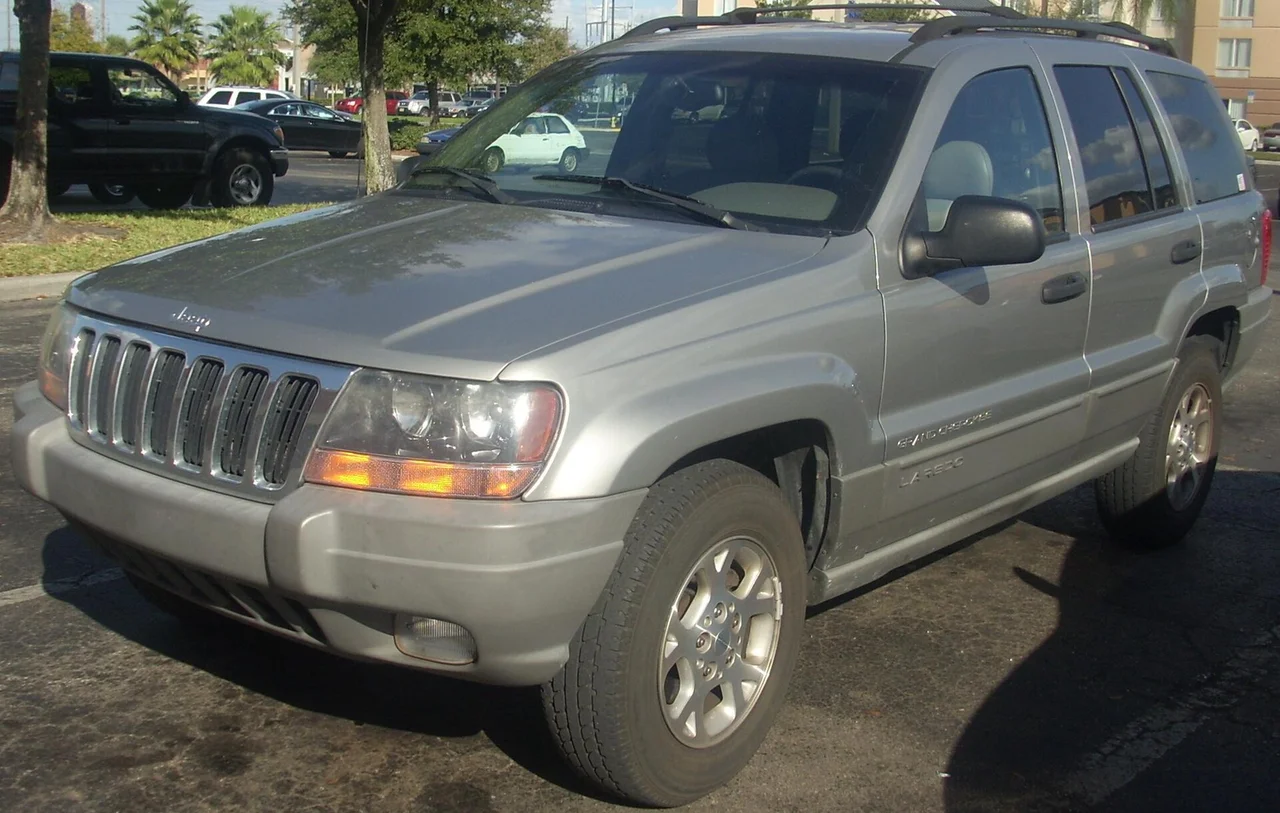
On a 2003 Jeep Grand Cherokee, a small one-way valve at the vacuum booster keeps engine vacuum stored so the brake pedal stays power-assisted between applications and after the engine stops. When this valve fails, the pedal can feel hard, assist can fade at idle, or you may hear a hiss near the booster. This guide helps you confirm the valve is really at fault and choose a replacement that fits your Jeep.
Define the job the product must do
The check valve does one job. It lets air flow out of the booster toward the intake manifold and blocks flow in the opposite direction. This holds a vacuum reserve in the booster when manifold vacuum drops, such as under hard acceleration or with the engine off. The 2003 Grand Cherokee belongs to the WJ generation and was offered with the 4.0-liter inline-six and the 4.7-liter V8. Both engines supply the vacuum that powers brake assist, so the valve matters with either engine.
Before you buy, confirm that the symptom points to the valve. Run the engine for a minute, shut it off, wait a few minutes, then press the pedal. A healthy system usually gives one or two assisted applications before the pedal firms up. If the pedal is hard on the first press, remove the valve and test it, preferably with a hand vacuum pump. It should hold vacuum applied from the hose side and pass air drawn from the booster side. If the valve passes this test but assist still fades, the cause may be a cracked hose, a leaking grommet, a torn booster diaphragm or low engine vacuum.
Check compatibility
The model year alone does not settle fitment for this part. What matters is how your booster and vacuum hose are configured. Parts listings may differ by engine, and a valve that fits one Grand Cherokee can route to a different port or use a different hose size on another. Give your VIN to a parts counter or check the factory service information to confirm the correct part number. Then compare the new part with the one you remove.
When you compare a replacement with the original, focus on the interfaces that actually seal. Check the stem that seats in the booster grommet, the outer diameter of the hose nipple and the outlet angle, straight or elbowed. Also check whether the valve is a separate piece or built into the hose assembly. Inspect the rubber grommet in the booster shell as well. A hardened or cracked grommet will leak even with a new valve, so plan to replace it if the part does not include one.
Features that affect the choice
The meaningful differences between options are physical, not marketing claims. An original-equipment or OE-equivalent valve should match the factory shape and hose fit, which lowers the risk of kinks or loose connections. Some aftermarket kits include a new grommet, which is useful on a vehicle of this age. Material and build quality also matter, because the valve sits near engine heat and can be exposed to oil vapor from the intake side.
Treat labels such as heavy duty, performance or upgraded with caution. A check valve either seals in one direction and flows in the other, or it does not. A premium label adds no measurable braking gain. Useful evidence includes a clear part-number cross-reference, a listed engine application, photos that show the stem and nipple shape, and a return policy that covers incorrect fitment.
Limitations and ownership costs
A new valve restores the vacuum reserve only if the rest of the system is sound. It cannot fix a leaking booster diaphragm, a worn master cylinder, low brake fluid, sticking caliper slides, or brake pads and brake rotors worn past their wear limits. Several of these faults also change pedal feel. Measure pad friction material and check rotor condition against the vehicle-specific limits in the service information, rather than assuming the valve explains every pedal complaint.
Ownership cost is usually modest. You need the valve, often a grommet, and sometimes a new vacuum hose if the original has hardened or swelled from oil exposure. Installation typically needs only hand tools, but take care not to push the grommet into the booster or crack an aging plastic fitting. If you find brake fluid in the vacuum hose or booster, suspect the master cylinder rather than the valve.
If the pedal is hard or sinks, or the vehicle pulls or does not stop normally, stop driving it and have a qualified technician inspect the braking system. After any repair, confirm assist with the engine running. Then test the brakes at low speed in a safe area before returning to normal use.
Build a practical shortlist
Compare a few options before you order. First, run a vacuum-hold test so you know the valve is the part that is failing. Second, match the part number to your VIN and engine. Third, compare the stem, the hose nipple size and the outlet angle with the valve you removed.
Next, check whether a new grommet and hose are included or must be bought separately. Prefer sellers that list the 2003 Grand Cherokee application explicitly rather than claiming universal fit, and confirm that returns are accepted for fitment errors. Finally, allow time to inspect the parts the valve depends on. A correct valve on a sound hose, grommet and booster should restore normal assisted braking. If it does not, the fault lies elsewhere and needs further diagnosis.