2003 Chevy Tracker Rear Axle Bearing: Choosing a Compatible Replacement
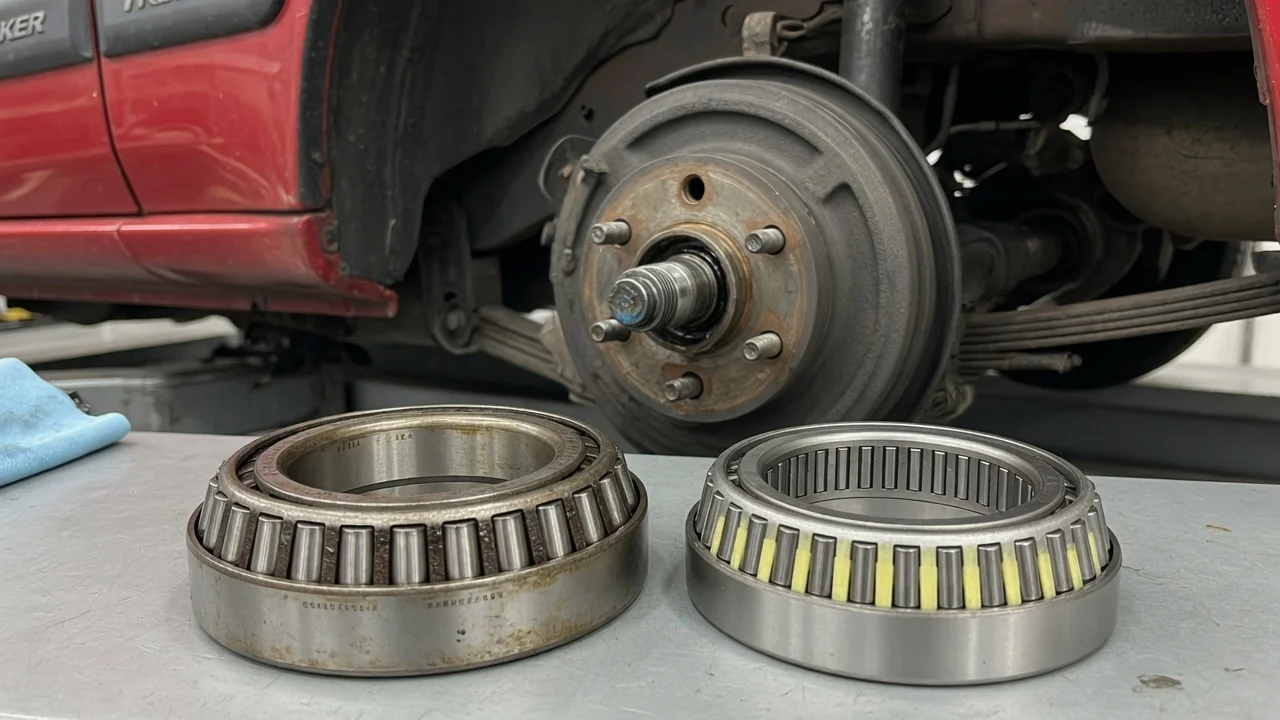
A worn rear axle bearing on a 2003 Chevy Tracker usually shows up as a hum or growl from the back of the vehicle that rises with road speed. Sometimes gear oil also appears on the rear brake parts. Choosing the right replacement depends less on brand names and more on matching your exact vehicle configuration. You also need to decide whether to replace the bearing alone, buy a kit, or install a complete axle shaft assembly.
Define the job the product must do
The rear bearing supports the axle shaft and the weight on that corner of the vehicle. It keeps the shaft centered in the axle housing and works with the axle seal to keep differential oil inside. On the Tracker, the solid rear axle is driven in both two-wheel-drive and four-wheel-drive versions. That means the bearing always turns with a shaft that delivers power, and a failing bearing can damage the seal, the shaft surface and the brake components around it.
Confirm the diagnosis before you buy anything. Tire wear, a dry differential or a dragging brake can all sound like a bad bearing. A useful inspection includes checking for play at the wheel, spinning the raised wheel to feel for roughness, and looking inside the brake drum for oil. Also work out the practical limits of the job. Do you have access to a hydraulic press, or will a shop press the parts for you? Note your operating conditions too, such as towing, off-road use or water crossings, because they affect how much durability and sealing you need.
Check compatibility
The model year alone is not enough to identify the right part. Use the VIN and your service history to confirm the drivetrain (2WD or 4WD), the engine (2.0-liter four-cylinder or 2.5-liter V6), the body style (two-door convertible or four-door) and whether the vehicle has ABS. Parts catalogs sometimes split rear axle listings by these details. The Tracker shares its platform with the Suzuki Vitara and Grand Vitara of the same generation, so you may see cross-references between them. Treat a cross-reference as a starting point and confirm that the listing covers your exact configuration.
The interfaces that decide fitment are the bearing's inner bore against the axle shaft, its outer diameter against the housing bore, its width, and the seal lip that rides on the shaft. On this design, the bearing is typically pressed onto the shaft and held by a separate retaining ring that is also pressed on. Compare the old parts with the listed dimensions instead of relying on product photos. Also inspect the shaft where the bearing and seal sit. If that surface is scored, grooved or discolored from heat, a new bearing alone will not give you a lasting repair.
Features that affect the choice
You can usually buy the replacement in one of three forms. A bare bearing costs the least but leaves you to source the seal and retaining ring separately. A bearing kit groups the bearing, retaining ring and seal, which lowers the chance of mismatched parts. A complete axle shaft assembly comes with the bearing already pressed in place. It costs more, but it removes the press work and also replaces a shaft that may be worn at the seal surface.
Labels such as heavy duty, premium or OE quality do not describe anything you can measure. More useful evidence includes published dimensions, a clear statement of which seals or rings are included, a manufacturer name marked on the part itself, fitment notes broken down by vehicle configuration, and written warranty terms. Feedback from Tracker or Grand Vitara owners can help with fit, as long as their vehicle matches yours. Treat any durability claim the listing does not explain as unverified.
Limitations and ownership costs
Removing the shaft means taking off the wheel and brake drum, disconnecting the brake components that are in the way, and pulling the shaft out of the housing. The old retaining ring and bearing then have to be removed, and the new ones pressed on with proper support. The retaining ring is generally not meant to be reused. Improvised hammer-and-chisel methods risk damaging the shaft. If you have no press, add a machine shop or parts store pressing fee to your budget, or choose a pre-assembled shaft.
Plan for consumables. You will need a new axle seal, gear oil to top up the differential to the level and grade in the manufacturer specifications, and brake cleaner. Brake shoes soaked with oil should be replaced, not cleaned. A new bearing will not fix differential gear whine, uneven tire noise or a bent shaft. There is also no universal replacement interval for this part. The practical approach is to inspect the rear bearings during routine brake work as part of your maintenance schedule, and sooner if the noise changes or a leak appears.
Build a practical shortlist
Narrow your options with a short checklist. First, confirm the listing covers a 2003 Tracker with your drivetrain, engine, body style and ABS status. Second, check that the published bore, outer diameter and width match your old bearing. Third, note exactly what is included: bearing only, bearing with seal and retaining ring, or a complete shaft. Fourth, look for a manufacturer name on the part and written warranty terms. Fifth, compare total cost, including the seal, gear oil, any brake parts and the pressing fee, not just the price of the bearing.
If two options pass every check, choose based on the condition of your shaft and your tools. A good shaft and access to a press favor a quality kit. A worn seal surface or no press favors a complete assembly. Keep the old parts until the new ones are installed and the vehicle has been road-tested without noise or leaks.