Identifying a 2002 Honda Odyssey Transmission Shift Solenoid
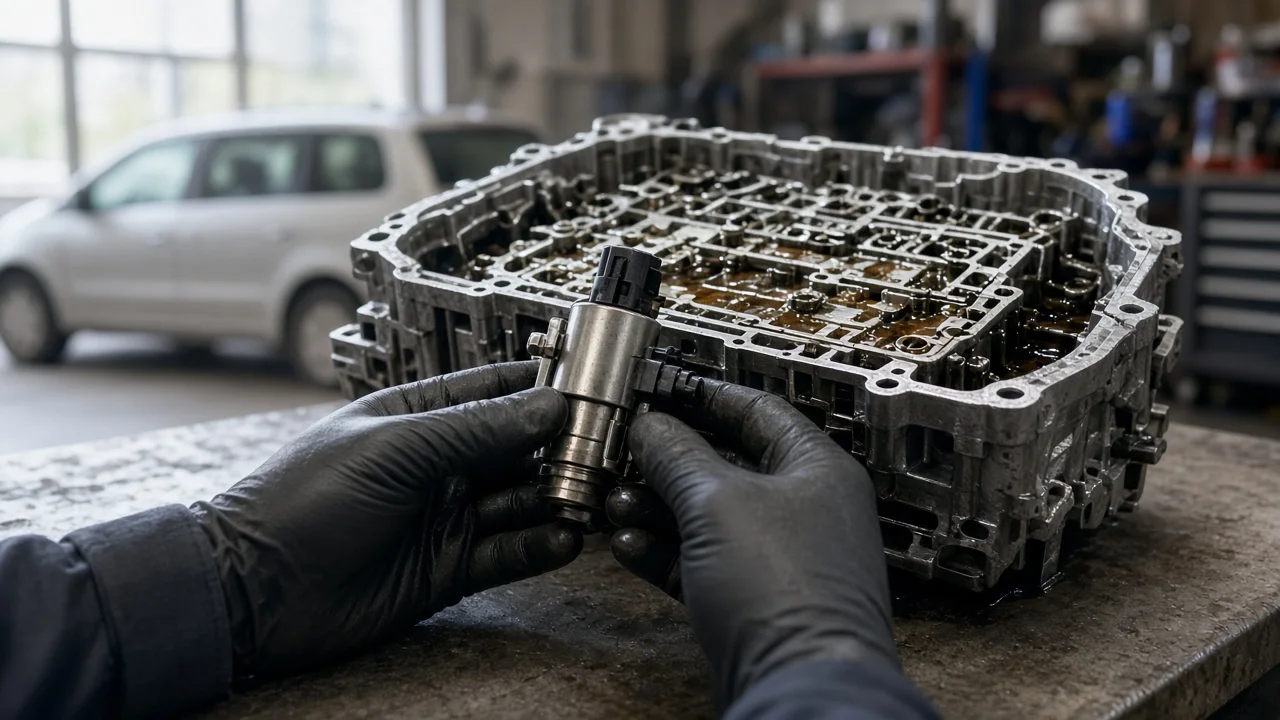
On a 2002 Honda Odyssey, the shift solenoids are electrically operated valves that let the engine computer control the automatic transmission. Identifying the right one matters because the 2002 model year uses a different transmission from earlier vans of the same generation, and a harsh or missed shift does not by itself prove a solenoid has failed. This guide explains how to determine which solenoid is involved, what the related trouble codes mean and how to confirm fitment before buying parts.
The Short Answer
The 2002 Odyssey was built with a five-speed automatic paired with the 3.5-liter V6, replacing the four-speed fitted to the 1999 through 2001 vans. That transmission uses several shift solenoid valves identified by letter, along with separate pressure control and torque converter lock-up solenoids. The solenoid that matters is the one named in a stored diagnostic code or confirmed by testing, not one guessed from how the van drives. To identify the correct part, start with the vehicle identification number and the transmission identification on the case, then match the solenoid by its letter designation, connector and mounting position. These valves may be sold individually or as a small assembly with a gasket or filter screen, so the correct part depends on both the transmission build and the location on the case.
A solenoid code is not proof that the solenoid itself is bad. Circuit codes describe an electrical fault the computer detected, and that fault can sit in the solenoid winding, its connector, the wiring harness or the control module. Treat the code as a starting point for testing rather than a parts list.
How the Shift Solenoids Work
The powertrain control module reads vehicle speed, throttle position, engine load and transmission shaft speeds, then energizes the shift solenoids in specific combinations. Each combination routes pressurized transmission fluid to shift valves inside the valve body, and those valves apply the clutches that produce each gear. The shift solenoids work essentially as on and off switches for fluid flow. Pressure control solenoids vary hydraulic pressure to manage shift firmness, while the lock-up solenoid controls the torque converter clutch that reduces slip at cruising speed.
Because the system is hydraulic as well as electrical, fluid condition directly affects how a solenoid behaves. Debris can clog the small screens and passages that feed the valves, and low or degraded fluid changes the pressures the computer expects. A solenoid can pass an electrical test yet stick mechanically, and a sticking valve may not set an electrical code at all. Typical shift behavior linked to this area includes staying in one gear, delayed or harsh engagement, engine flare between gears and a torque converter that never locks up, but every one of these symptoms can also come from other causes.
What Changes the Answer
Transmission type is the first variable. If the van has had a replacement, used or remanufactured transmission, the unit in it may not match the original build, so confirm what is actually installed rather than relying on the model year alone. Parts for the earlier four-speed are not a safe assumption for a 2002 van, and production changes within a model year can also affect fitment. Ordering by VIN through a parts source that can look up the exact transmission is the most reliable way to avoid a wrong solenoid.
Diagnostic codes also need careful reading. Under generic OBD-II definitions, P0753, P0758 and P0763 refer to electrical faults in shift solenoid A, B and C circuits, while P0740 points to the torque converter clutch circuit. Honda service information determines which physical valve each letter corresponds to on this transmission, so do not assume position from the letter alone. Codes such as P0730, an incorrect gear ratio, indicate the transmission is not achieving the commanded gear, which can result from a solenoid problem but also from worn clutches or low fluid pressure.
Operating conditions narrow things further. A fault that appears only when the transmission is hot, only on cold starts or only after rough roads often points toward a connector or wiring issue rather than a dead solenoid. Service history matters as well: a recent fluid change with the wrong fluid, a prior rebuild or an earlier solenoid replacement all change where you should look first.
What You Can Check Yourself
Begin by reading codes with a scan tool that can access transmission data, since some basic code readers only show generic engine codes. On many Honda automatics of this era, a blinking D indicator on the gear display signals a stored transmission fault. Record every code along with any freeze-frame data before clearing anything, because that information shows the conditions present when the fault occurred.
Next, check the fluid level and condition using the procedure in the owner's manual, which specifies the temperature and conditions for an accurate reading. Honda specifies its own automatic transmission fluid for this van; current Honda ATF DW-1 superseded the older Z1 specification. Confirm the fluid specification in the manual and avoid generic multi-vehicle fluids unless they are approved for this transmission. Dark, burnt-smelling fluid or visible debris suggests problems beyond a single solenoid. Note exactly when the shift behavior changes, which gear is affected and whether temperature makes a difference.
Then inspect the solenoid connectors and harness for oil intrusion, corrosion, loose pins and chafed wiring. With the correct service specifications, a solenoid's winding resistance can be measured and compared against the factory range. If you replace a solenoid, order it by VIN and letter designation, install a new gasket or O-ring, keep the mounting surface and any screen clean, clear the codes and road test under the conditions that originally caused the fault. If the code returns immediately or the symptom persists, stop replacing parts and move to deeper diagnosis.
Limitations and When to Get Help
This article cannot confirm part numbers, resistance values or the exact layout of solenoids on your transmission; those details come from Honda service information matched to your VIN. Symptoms of solenoid trouble overlap heavily with internal clutch wear, valve body problems and control module faults, and a new solenoid will not cure slipping caused by worn friction material. It is also worth asking a Honda dealer to check the VIN for open recalls or past warranty coverage related to the transmission.
A transmission specialist with a capable scan tool can command individual solenoids, watch live pressure and shaft-speed data and separate electrical faults from hydraulic or mechanical ones. Repair options range from a connector or wiring repair, through a fluid service or single solenoid replacement, to a rebuild or remanufactured transmission. Bringing your stored codes, freeze-frame data, notes on shift behavior and service history to that appointment shortens diagnosis and helps avoid paying for parts the van does not need.