2001 Dodge Ram 2500 Adjustable Control Arms: Fitment and Selection
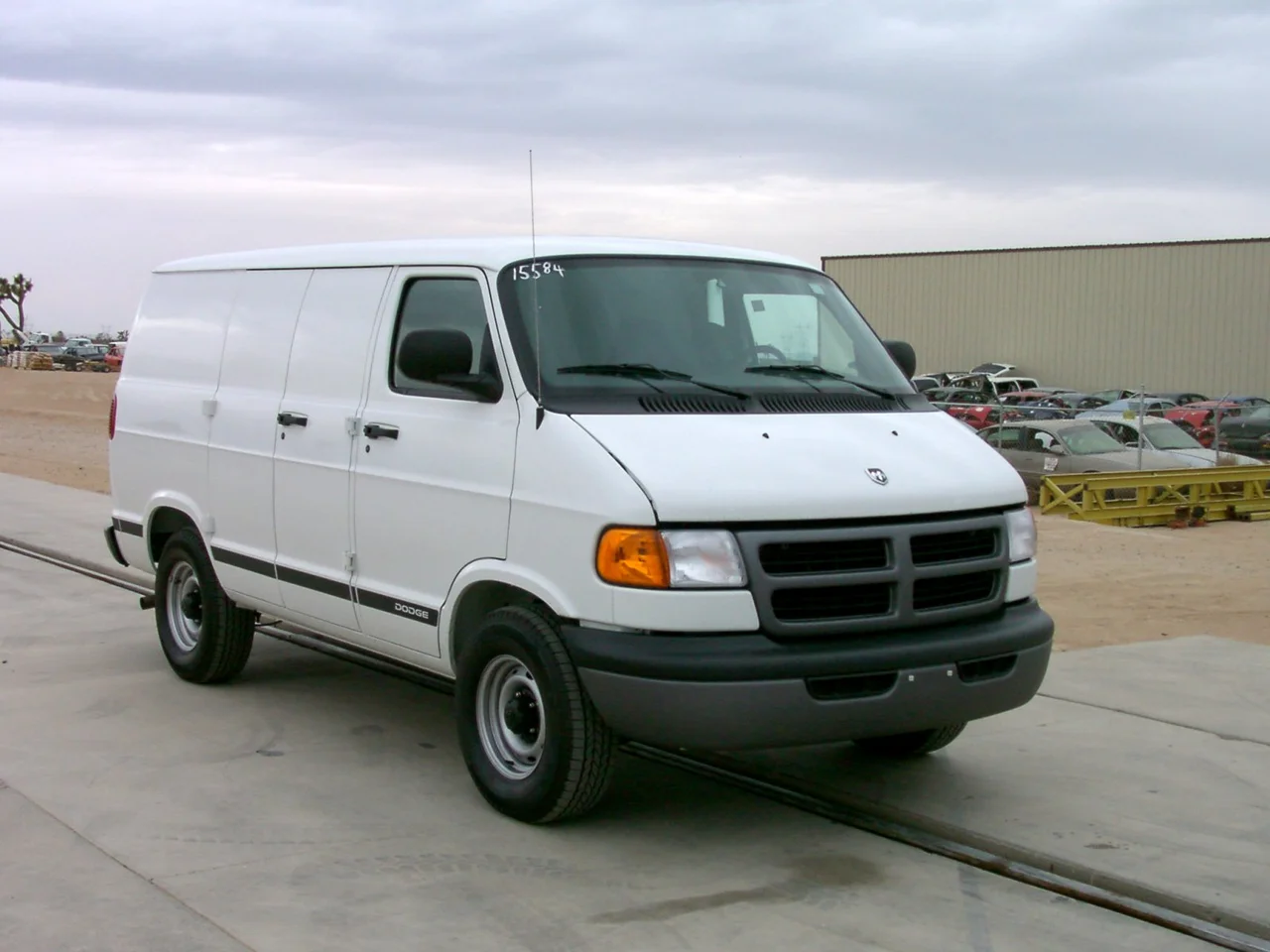
Owners usually buy adjustable control arms for a 2001 Dodge Ram 2500 to restore front-end geometry after a lift, a ride height change or wear in the factory arms. On four-wheel-drive trucks of this generation, upper and lower control arms and a track bar locate the solid front axle. Arm length therefore directly affects caster and pinion angle. This guide covers how to confirm fitment, which features matter, what the parts cannot fix and how to compare options on evidence rather than marketing.
Define the job the product must do
Start with the problem you are trying to solve. A lift of a few inches tilts the front axle, which reduces caster and changes the pinion angle. The usual results are wandering at highway speed, weak return to center or driveline vibration. Adjustable arms let you lengthen or shorten the link to rotate the axle back toward a usable position. If the truck sits at stock height and the complaint is clunking or loose steering, worn bushings in the original arms may be the real cause. In that case a direct replacement arm can be the simpler fix.
Be honest about how the truck is used. A Ram 2500 that tows heavy trailers, carries a plow or a diesel engine, or mostly sees pavement needs quiet, durable joints and predictable alignment. A truck that crawls rocks or trails needs articulation and clearance. Budget, local alignment shop capability and whether you can do the installation yourself all narrow the field before you compare individual products.
Check compatibility
Confirm the drivetrain first. The upper and lower link layout described here applies to four-wheel-drive models with the solid front axle. Two-wheel-drive trucks use a different front suspension, and link-style arms will not fit them. Many kits list the whole 1994 to 2002 generation of 2500 and 3500 four-wheel-drive trucks. Still, check that the listing explicitly covers your year, drivetrain and axle, and read any notes about specific engines or packages.
Next, look at the mounting points. The arm must match the frame and axle brackets in bushing sleeve width, bolt diameter and orientation. Note whether the kit includes uppers, lowers or both, and whether it reuses factory hardware or the factory cam adjusters. Inspect your own brackets for cracks, elongated bolt holes or heavy corrosion. Damaged brackets need repair before new arms can hold alignment. Finally, check the lift range the manufacturer states. Arms designed for a large lift may not shorten enough to work on a mildly lifted truck.
Features that affect the choice
The adjustment design matters most. Single-adjustable arms have a threaded end at one side. Some must be unbolted to change length, while others use a double-threaded adjuster that turns in place while installed. In-place adjustment makes fine caster corrections and later changes far easier. Look for jam nuts or clamps that positively lock the threads, and a design that leaves enough thread engagement across the full adjustment range.
Joint type sets the balance between comfort and articulation. Rubber bushings are quiet and isolate vibration but allow some deflection. Polyurethane is firmer and transmits more noise. It may also need periodic lubrication to avoid squeaks. Spherical or flex-style joints permit more articulation, but they can pass along more road noise and wear faster when exposed to grit. A serviceable or greaseable joint can extend service life. Tube material, wall thickness and bend shape affect strength and clearance around the axle and differential.
Separate verifiable details from marketing labels. Material grade, tube dimensions, joint part numbers, whether replacement joints are sold separately and the stated warranty terms are useful evidence. Terms such as heavy duty, extreme or race-proven say nothing about fit or durability unless the specifications back them up.
Limitations and ownership costs
Installation needs proper vehicle support. Support the frame on rated jack stands on level ground, keep the axle supported, and replace arms one at a time so the axle stays located. Set each new arm to the length recommended in the instructions and match the left and right sides. Tighten every fastener to the fastener specification in the factory service manual or the arm manufacturer's instructions. Many bushing designs must be finally tightened with the truck at ride height on its wheels, so the bushings are not preloaded in a twisted position.
Budget for a wheel alignment after installation, and expect another if you later change ride height. Plan on periodic checks for joint play, jam nut tightness and bushing condition, plus greasing where the design calls for it. Replacement joints or bushings are a recurring cost on adjustable designs.
Control arms cannot cure every front-end symptom. They will not fix a worn track bar, loose ball joints, worn tie rod ends, a tired steering gear or out-of-balance tires, and any of these can cause wander or shimmy. A lifted axle may also sit off center side to side, which calls for an adjustable or relocated track bar rather than different arms. Inspect the whole steering and suspension system before attributing a problem to the arms.
Build a practical shortlist
Narrow the options with a short checklist. Does the listing explicitly cover a 2001 Ram 2500 with your drivetrain and axle? Does its stated lift range include your actual ride height? Are the arms uppers, lowers or a set, and does that match what your geometry needs? Can they be adjusted while installed, and do they lock positively? What joint or bushing type is used, and can it be serviced or replaced? Does the kit include hardware, or must you reuse or buy bolts separately?
Then compare total cost, not just the price of the arms. Include hardware, alignment, likely joint replacement and any track bar or bracket work your truck needs. Choose the option whose specifications and service parts best match your use, and keep the instructions and part numbers for future maintenance.