2001 Dodge Ram 2500 Front Axle Actuator Fitment
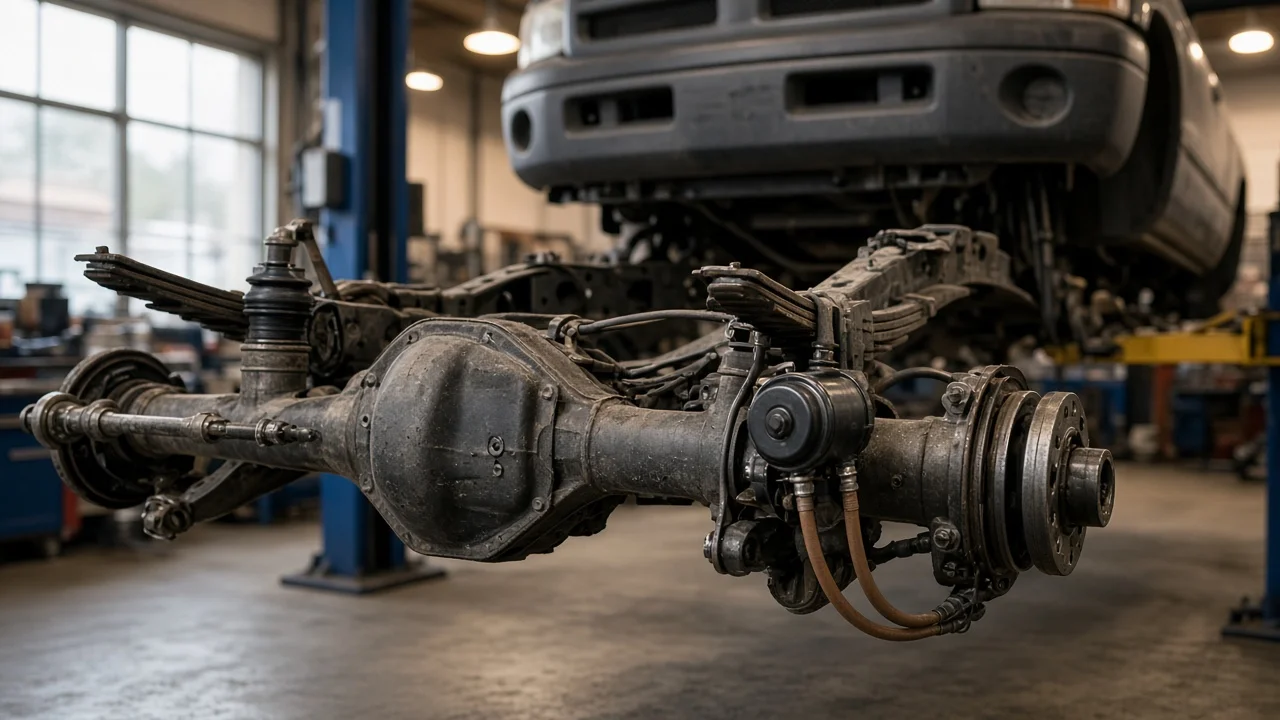
If your 2001 Dodge Ram 2500 shifts into four-wheel drive but the front wheels never pull, the front axle actuator is one of the first parts worth suspecting. Before ordering a replacement, though, confirm that the part matches your truck's actual axle and disconnect setup. This guide explains what the actuator does on this generation of Ram, which details decide fitment, and how to separate a bad actuator from the vacuum and switch problems that often mimic it.
Which actuator fits a 2001 Ram 2500 4WD
Most 2001 Ram 2500 trucks with four-wheel drive use a front axle with a center axle disconnect, usually called CAD. On this system, a vacuum-operated actuator (often listed as the axle shift motor) is mounted on the front axle housing and engages or releases one of the front axle shafts. The correct replacement is the actuator listed for your specific front axle, not a generic part for any 4WD Ram of that era. Catalog listings for this truck typically separate parts by axle type, engine and sometimes production date, so those details matter more than the model year alone.
The practical answer is that a 2001 Ram 2500 4WD needs the CAD actuator that matches its original front axle, provided that axle and its disconnect are still in place. If a previous owner removed the CAD, swapped the axle or installed a conversion kit, the original actuator may no longer apply at all. Treat the truck's current hardware as the deciding factor, and use the factory parts catalog or the VIN-based lookup from a parts counter to confirm the match.
How the front axle disconnect works
On a CAD-equipped Ram, the front driveshaft and differential can turn while one front axle shaft is split into two sections. In two-wheel drive, the sections are disconnected, so the front wheels roll freely without driving the differential gears in a way that transmits power. When you move the transfer case into a four-wheel-drive range, a vacuum switch on the transfer case routes engine vacuum to the actuator. The actuator's diaphragm then pulls or pushes a shift fork that slides a collar across the split, locking the two sections together so both front wheels receive torque.
This means the actuator depends on several other components working correctly: engine vacuum, the check valve or reservoir if equipped, the vacuum lines running along the frame, and the transfer case switch. Many versions of the actuator also include a switch or electrical connector that signals the four-wheel-drive indicator. That is why a dark indicator lamp or a front axle that does not engage can point to the actuator, but it can also point to a leak or switch fault upstream.
What changes the fitment answer
Vehicle configuration is the biggest variable. Engine choice, cab and wheelbase usually do not change the actuator by themselves, but the front axle model and its disconnect design do. Check the axle identification tag or casting marks on the differential housing, and compare the old actuator's shape, mounting pattern, vacuum port layout and electrical connector against the replacement. If those features differ, the part will not install or function correctly, even if it was sold under the same truck description.
Service history also matters. Trucks of this age often have had front-end work, axle swaps or CAD removal, and those changes are not always obvious from the outside. Some owners convert the disconnect to a cable-operated or permanently engaged setup, which eliminates the vacuum actuator. If your truck has a cable, a manual selector, or no vacuum lines at the axle, you are dealing with a modified system, and the right part depends on that conversion rather than the original manufacturer specifications.
Operating conditions can shape the decision too. Trucks used in salty, muddy or wet areas tend to suffer cracked vacuum lines, corroded connectors and moisture inside the actuator. In those conditions, replacing only the actuator without addressing damaged lines or a failing switch may bring the same symptoms back quickly.
What you can check before buying a part
Start with a simple inspection. With the engine off, trace the vacuum lines from the transfer case switch to the actuator and look for cracks, loose fittings, chafed spots and missing caps. Check the actuator's electrical connector for corrosion or broken locking tabs. Then, with the truck safely parked, shift into four-wheel drive and listen at the axle for a click or movement. Lack of any response suggests a vacuum supply problem or a failed diaphragm.
A hand vacuum pump is the most useful tool for this job. Disconnect the lines at the actuator and apply vacuum directly to each port. A healthy actuator should move and hold vacuum without slowly bleeding down. If it holds and moves, test whether vacuum actually reaches the actuator from the lines in each transfer case position. If vacuum is missing, the fault is likely in the hoses, the check valve or the transfer case switch rather than the actuator.
If you confirm the actuator is faulty, photograph the old unit and its connections before removing it. Match the replacement by axle type and the physical features of the original, and plan to replace any brittle vacuum lines at the same time. After installation, verify that the front wheels engage in four-wheel drive on a loose surface before relying on the system in snow or off-road.
Limitations and when to get help
Parts catalogs for older trucks are not always consistent, and a 2001 Ram 2500 that has been modified may not match any standard listing. Without seeing the axle tag, the existing actuator and the vacuum routing, no general guide can guarantee the correct part. A VIN-based lookup is a strong starting point, but physical comparison with the old unit is the final confirmation.
Seek professional help if the front axle engages only partially, makes grinding noises in four-wheel drive, or if you find damage to the shift fork, collar or axle shaft splines. Those symptoms point to internal wear that an actuator alone will not fix, and diagnosing them usually requires opening the axle. A shop familiar with this generation of Ram can also tell you whether keeping the original vacuum system or converting the disconnect makes more sense for how you use the truck and its maintenance schedule.