Replace Lincoln Town Car rear glass
The short answer
Replacing the rear window, also called the backlite or back glass, on a 2000 Lincoln Town Car means removing the damaged glass and installing a new pane that matches the car's original features. For most owners, the practical next step is to identify the correct replacement part for the specific car and have the work quoted by an auto glass installer. The job is usually treated as professional work rather than a casual driveway repair.
This guide covers the 2000 model year only. That year belongs to the Town Car generation sold from 1998 through 2011. No supplied source confirms whether rear glass is interchangeable across all years of that generation. Treat any claim of cross-year fitment as unverified until a parts supplier confirms it for your vehicle.
What the job generally involves
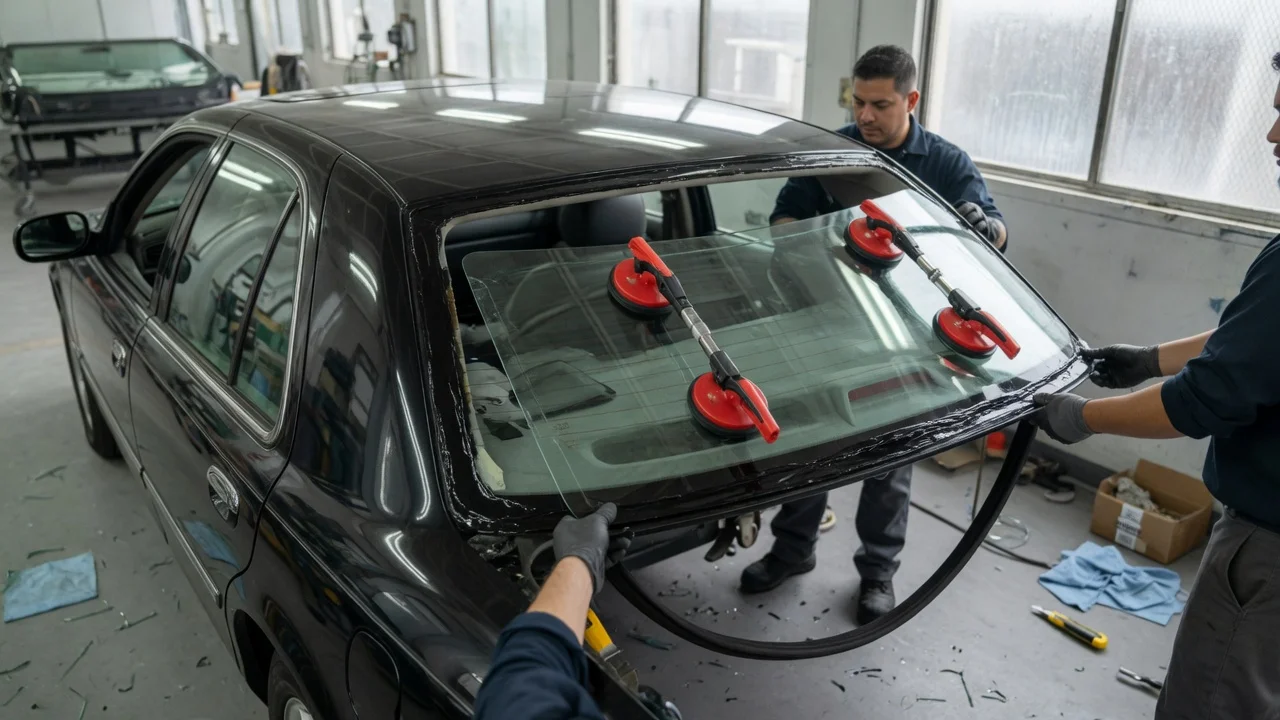
Fixed rear windows on passenger cars of this era are commonly bonded to the body with urethane adhesive instead of being held only by a rubber gasket. In that case, replacement usually follows these steps:
Cut the old glass free and clear away any broken fragments. Trim and clean the old adhesive from the window frame (the pinch weld). Prime the frame where needed. Set the new glass in fresh urethane. Reconnect any electrical leads. Allow the adhesive to cure before the car is driven or washed.
The supplied material does not document the exact mounting method, molding design or factory procedure for the 2000 Town Car. Confirm these details with the installer or with Ford/Lincoln service information before relying on the outline above.
Details to confirm before ordering glass
A rear window is more than a plain pane of glass. Before buying a part or accepting a quote, check the following:
Rear defroster: confirm whether the original glass has a heating grid. The grid is the set of thin horizontal lines printed on the glass, and the new pane needs it along with matching electrical connectors. Integrated antenna: some rear windows also carry radio antenna elements. Check whether yours does so that reception is not lost after replacement. Tint and markings: match the original tint shade if appearance matters to you. Moldings and clips: ask whether the trim around the glass will be reused or replaced, since older trim can break during removal. VIN-based lookup: give the supplier the vehicle identification number so the part can be matched to your exact car rather than chosen by model name alone.
Cost, insurance and timing
No pricing, labor-time or cure-time figures were supplied, so this guide does not estimate them. Costs vary with the part source (original-equipment versus aftermarket glass), local labor rates and whether mobile service is available. Get written quotes that list the part, adhesive, moldings and labor separately.
If the car carries comprehensive insurance coverage, glass damage may be claimable. Check your policy and deductible before paying out of pocket. Until the window is replaced, covering the opening against rain and keeping loose glass away from passengers is a sensible precaution.
Known gaps
The following points could not be confirmed from the supplied evidence: factory part numbers, the documented installation procedure, interchangeability with other model years, adhesive cure times, and typical replacement costs. Verify each one with a glass supplier or Lincoln service documentation for your specific vehicle.