Finding a Rear Brake Proportioning Valve Assembly for a 2000–2006 Toyota Tundra
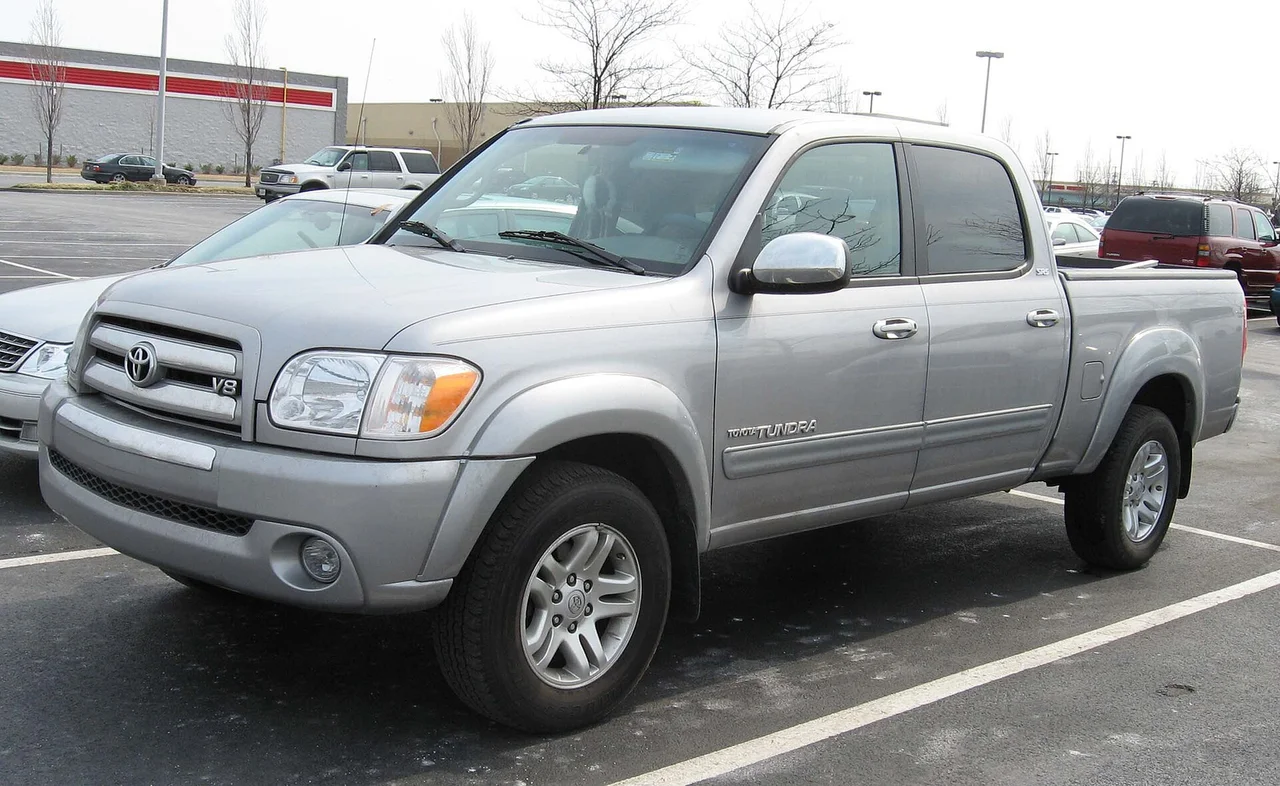
On a 2000–2006 Toyota Tundra, the rear brake proportioning valve is typically a load-sensing unit mounted on the frame above the rear axle and connected to the axle by a spring linkage. Finding the right replacement means matching your truck's exact configuration, not just the year range. Installing it correctly means bleeding the brakes and adjusting the valve to factory specifications. This guide covers what to confirm before you buy and what the job involves.
The short answer on finding the right valve
Toyota parts catalogs generally list this part as a load sensing proportioning and bypass valve assembly. The year range alone is not enough to identify it. The valve and its linkage can differ by cab style, drivetrain, brake system equipment and production date. The most dependable way to get the correct assembly is a VIN lookup at a Toyota parts counter or in a catalog that decodes the full VIN. Give the seller your VIN, not just "Tundra 2003". When you compare new, used or remanufactured options, compare the listing against the VIN-matched original rather than against a generic photo.
Before ordering, confirm the valve is actually the problem. Rear drum or wheel cylinder faults, worn front brake pads, scored brake rotors, a sticking caliper or contaminated brake fluid can all mimic a bad proportioning valve. A valve bought to fix the wrong fault costs money and leaves the real problem in place.
How the load-sensing valve works
A pickup's rear weight changes a lot between empty and loaded. When the bed is empty, the rear tires carry relatively little weight. Full rear braking pressure could then lock the rear wheels before the fronts, which can make the truck unstable. The load-sensing valve limits rear hydraulic pressure in that condition. As cargo is added, the rear springs compress and the axle moves closer to the frame. The linkage between axle and valve changes the force on the valve's internal piston, and the valve allows more pressure to the rear brakes. In short, the valve senses ride height as a stand-in for load.
The bypass function is a safety feature for hydraulic failures. If the front brake circuit loses pressure, the valve is designed to let more pressure reach the rear brakes, so the truck still has meaningful stopping ability. Because the valve sits in the brake fluid path and has its own bleeder, it is part of the bleeding procedure whenever the system is opened.
Configurations that change fitment
Several factors affect which assembly fits your Tundra. Cab style matters: Regular Cab, Access Cab and the Double Cab, which joined the lineup partway through this generation. Drivetrain matters too, because two-wheel-drive and four-wheel-drive trucks sit at different heights and can use different valve or linkage parts. Brake equipment can also matter, such as ABS and stability control on later trucks. Toyota sometimes changed parts mid-model-year, which is why the production date encoded in the VIN can decide between two similar listings. If you can't confirm that a trucks's options include a mechanical load-sensing valve at all, inspect above the rear axle before ordering.
Suspension changes affect the result just as much. Lift kits, leveling kits, added leaf springs, helper springs and airbags all change the axle-to-frame distance the valve uses to judge load. On a lifted truck, the valve may act as if the bed is always empty and reduce rear braking. Extra spring rate can have a similar effect. Some lift kits include a valve relocation bracket for this reason. If your truck is modified, a correctly fitted new valve may still need relocation or readjustment to work properly.
What to check before ordering
Start with a visual inspection with the truck safely supported. Look for wet brake fluid or crusty residue on the valve body and line fittings. Check that the linkage is connected, not bent, and moves without binding. On older trucks in road-salt regions, a seized valve or rusted linkage is a common finding. Then note how the truck brakes empty versus loaded. Rear lockup when empty or weak rear braking when loaded points toward the valve or its adjustment. A pulling or pulsating pedal usually points elsewhere.
Rule out the other usual causes. Measure rear drum inside diameter and shoe friction material, front pads and rotor thickness against the wear limits in your service information. Drums usually have a maximum diameter stamped on them. Check wheel cylinders and calipers for leaks or sticking, and inspect the brake fluid level and condition. Once you've confirmed the valve, check what the listing actually includes. Some assemblies come with the bracket and linkage, while others are the valve body only. Also inspect the brake lines at the valve. Corroded flare nuts often round off or twist the line during removal, so plan for line repair or replacement rather than forcing old fittings.
Installation, bleeding and adjustment
Replacing the valve opens the hydraulic system, so the brakes must be bled afterward. Follow the bleeding sequence in the factory service information, including the bleeder on the valve itself. On trucks with ABS or stability control, check whether the procedure calls for additional steps. Use the brake fluid type specified on the master cylinder reservoir cap, and don't reuse fluid drained from the system.
Adjustment is where many installs go wrong. Toyota's procedure for load-sensing valves typically involves setting the linkage and checking rear brake pressure against front pressure with gauges under specified conditions. Your service information gives the exact values and method for your configuration. Guessing at the linkage position, or bending the spring to change braking feel, can leave the rear brakes too aggressive or too weak. After adjustment, confirm a firm pedal and a clear brake warning light before driving. Then do a careful low-speed test in a safe, empty area.
Limitations and next step
This guide can't confirm a part number, adjustment value or pressure specification for your truck. Those depend on your VIN and the factory service information for your configuration. Many home garages lack the brake pressure gauges the adjustment calls for, so it is reasonable to install the valve yourself and have a brake shop do the final adjustment and check. That is especially true on a lifted or otherwise modified Tundra.
Certain symptoms mean you should stop driving the truck and have it inspected professionally rather than waiting for parts. These include a pedal that sinks toward the floor, a lit brake warning light, a visible fluid leak at the valve or lines, or rear wheels that lock under normal braking. A proportioning valve fault affects how the truck stops, and correct diagnosis matters more than speed of repair.