Upgrade 1st-gen Tundra or GX460 brakes
The short answer
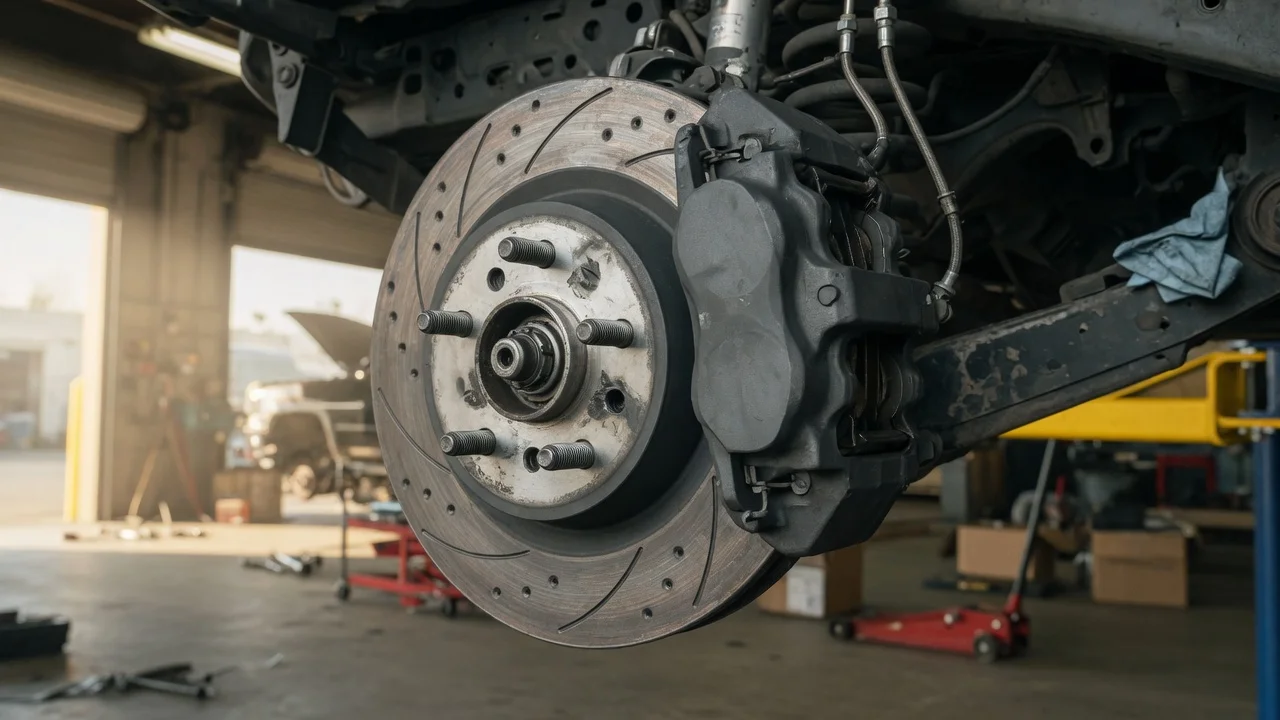
Fitting Lexus GX 460 front brake components to a first-generation Toyota Tundra (the 2000 to 2006 model years in North America) is an owner-developed conversion, not a factory-listed Toyota upgrade. It may be a workable path to more front braking hardware, but whether it suits a specific truck depends on that truck's model year, drive configuration and wheel setup. No part numbers, rotor dimensions, caliper specifications or test results were supplied for this guide, so it can't confirm that the swap bolts on, what parts it requires, or how much it improves stopping performance.
Treat the GX 460 swap as a project that needs fitment verification before purchase, not as a guaranteed direct replacement.
What the swap involves
A brake upgrade of this kind typically means replacing the front calipers, rotors, pads and possibly the mounting hardware with parts from a different Toyota or Lexus model. The GX 460 was sold for the 2010 to 2023 model years, so its parts come from a much later platform than the first-generation Tundra. That age gap is the main reason fitment can't be assumed.
Variables that can change the answer
Model year within the first generation: brake hardware may differ between earlier and later trucks, so confirm what your truck has before comparing parts. Two-wheel drive versus four-wheel drive: steering knuckle and hub differences can affect caliper mounting and rotor fitment. Wheel size and design: a larger caliper or rotor needs clearance inside the wheel barrel and behind the spokes, so smaller wheels may not fit. Brake hose and line connections: fittings and hose lengths may not match between the two vehicles. ABS sensor routing: sensor wiring and mounting points need to clear the new components. Front-to-rear brake balance: changing front caliper size can alter pedal feel and how braking effort is shared between the axles.
What to confirm before buying parts
The exact GX 460 caliper, rotor, pad and bracket part numbers the conversion uses, and whether those parts changed during the GX 460 production run. Whether any adapter brackets, spacers, longer hoses or other non-GX parts are needed for your Tundra. The minimum wheel diameter and the caliper clearance your current wheels provide. Whether the swap was done on a truck with the same model year and drive configuration as yours. Whether local inspection rules or your insurer have any requirements for brake system modifications.
Gaps in the available information
This guide had no documented specifications, attributed stopping-distance or fade tests, or manufacturer fitment data to draw on. Any claimed gain in rotor size, piston count, clamping force or stopping distance should be checked against official parts catalogs or a credible, attributed test before you rely on it.
Editorial judgment
If the goal is better braking on a first-generation Tundra, the lower-risk first step is to bring the existing system to good condition: quality pads and rotors, freshly flushed brake fluid, and calipers that slide and release properly. If that baseline still falls short for how the truck is used, a GX 460 conversion is worth researching. Proceed once the fitment questions above have clear answers for your exact truck. Because brakes are a safety-critical system, have the finished installation inspected by a qualified technician, and bed in the new pads and rotors before relying on them in demanding conditions.