1999 Jeep Grand Cherokee Brake Booster Vacuum Hose: Choosing the Correct Part
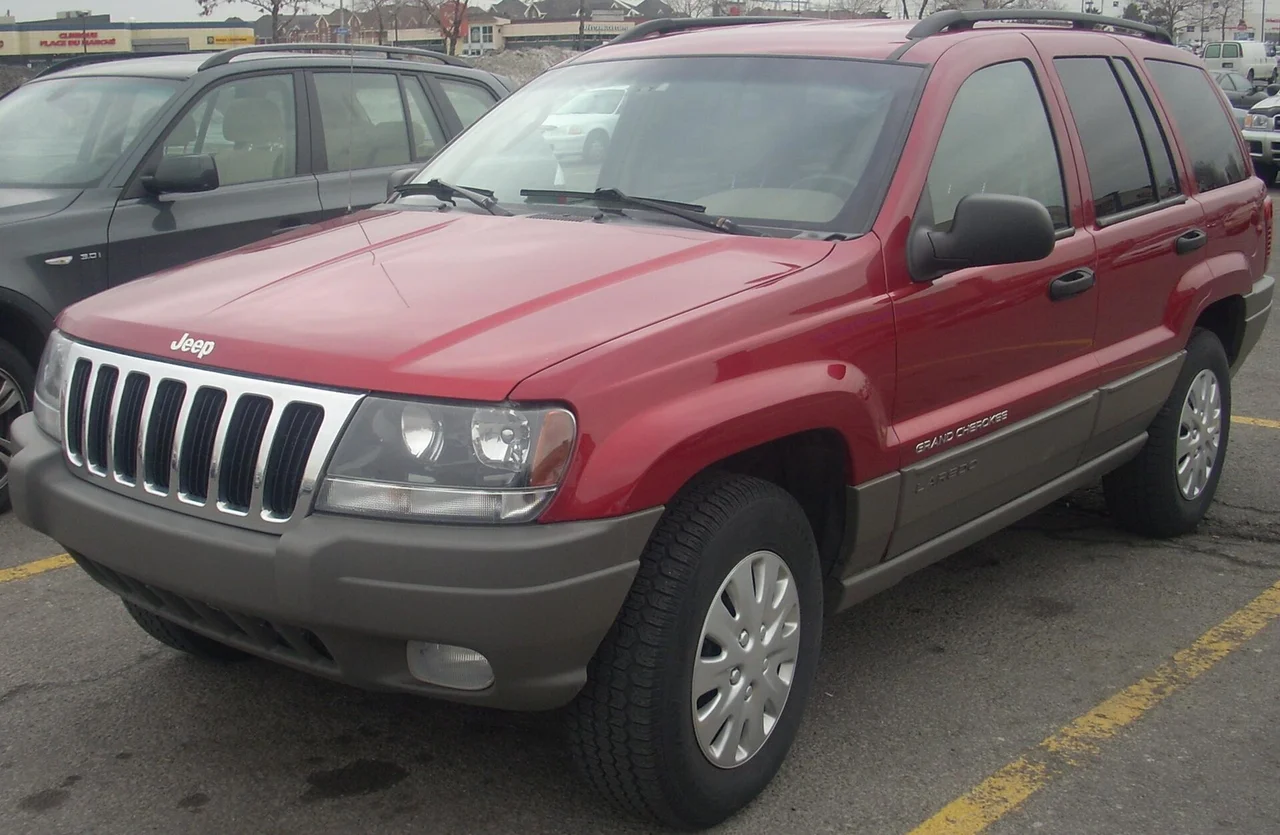
A hard brake pedal or a hiss under the hood on a 1999 Jeep Grand Cherokee often traces back to the vacuum line that feeds the power brake booster. The part is inexpensive, but the wrong hose, check valve or fitting can leave you with the same symptom or a new leak. This guide explains how to confirm the hose is the problem, how to match a replacement to your engine, and how to judge the options without relying on packaging claims.
Define the job the product must do
The booster vacuum hose carries engine vacuum from the intake manifold to the brake booster, which is mounted on the firewall behind the master cylinder. The vacuum stored in the booster multiplies the force from your foot. Without it, the brakes still work, but the pedal becomes hard and you must push much harder to stop. A one-way check valve holds vacuum in the booster when manifold vacuum drops under acceleration or after the engine shuts off. Depending on the setup, the valve sits either in the booster grommet or in the hose itself.
Before buying, confirm that the hose is actually at fault. Typical signs include a pedal that stiffens after one or two applications, a hissing sound near the firewall or intake, a rough or unusually high idle, and lean-running trouble codes. A basic check works like this: with the engine off, pump the pedal several times to use up the stored vacuum, hold light pressure, then start the engine. The pedal should sink slightly as assist returns. If it does not, inspect the hose for cracks, softness, collapse and loose ends, and listen for leaks with the engine idling. A hard pedal can also come from a failed booster diaphragm, a stuck check valve or a hydraulic problem. If the result is unclear, get a professional diagnosis, and do not keep driving with noticeably reduced braking.
Check compatibility
The 1999 model year was the first year of the WJ generation Grand Cherokee, which is a different platform from the earlier ZJ. Parts listings sometimes mix the two, so search by model year and generation, and confirm vehicle fitment with your VIN or engine code. The 1999 WJ was offered with the 4.0-liter inline six and the 4.7-liter V8. Hose routing, length and the vacuum connection on the intake differ between these engines, so treat any listing that says only Grand Cherokee, with no engine noted, with caution.
Next, compare the connection points, not just the hose. Note how each end attaches: a straight push-on end into the booster grommet, a molded elbow, a plastic quick-connect, or a manifold nipple secured with a clamp. Check whether your existing hose has an in-line check valve and which way it faces. The valve must allow air to flow only from the booster toward the engine. Measure the inside diameter and overall length of the original, and photograph its routing before you remove it. If the booster grommet is hard or cracked, replace it at the same time, because a new hose cannot seal in a failed grommet.
Features that affect the choice
The main decision is between a molded hose assembly that copies the factory part and a length of bulk vacuum brake hose cut to fit. A molded assembly routes cleanly around the intake and nearby components, resists kinking at its bends, and often includes the correct end fittings or check valve. Bulk hose costs less and is easy to find. However, you must match the inside diameter, avoid tight bends, and supply your own clamps and valve.
Material matters more than branding. Booster hose is exposed to strong vacuum and to fuel and oil vapors drawn back from the intake, so it must be reinforced against collapse and resistant to those vapors. Look for hose specifically rated for vacuum brake use, ideally marked as meeting SAE J1403. Heater hose, fuel hose and thin general-purpose vacuum line are not substitutes, and some of them can soften or collapse under booster vacuum. Labels such as heavy duty, premium or OE quality prove nothing by themselves. Useful evidence includes a stated fitment for your engine, a listed inside diameter, the hose standard, whether a check valve is included, and product photos that show ends matching your original.
Limitations and ownership costs
Replacing the hose is usually straightforward. Do the work with the engine cold and switched off. After years of engine heat, plastic fittings and the check valve can be brittle, so work gently and have the related parts on hand before you start. Budget for new hose clamps, a booster grommet, and a check valve if yours is separate or doubtful. After installation, repeat the pedal test, listen for hissing with the engine running, and make a low-speed test stop in a safe place before normal driving.
A new hose cannot fix problems outside the vacuum circuit. It will not cure a leaking booster diaphragm, a master cylinder that leaks internally, air or moisture in the brake fluid, a sticking caliper, or worn brake pads and brake rotors. A firm pedal combined with poor stopping power can point to glazed friction material or parts past their wear limits rather than lost vacuum. Measure the pads and rotors against the factory service specifications, and check the fluid level and condition rather than assuming the hose solved every symptom. If the pedal sinks toward the floor, the brake warning light comes on, or the vehicle pulls hard to one side when braking, stop driving it and have the system inspected professionally.
Build a practical shortlist
Narrow down candidates with a short checklist instead of a ranking. First, the listing should name the 1999 Grand Cherokee WJ and your engine, either the 4.0-liter six or the 4.7-liter V8, or the part number should match your original. Second, the end fittings, inside diameter and length should match the hose you removed. Third, the hose should be specified for vacuum brake service, with SAE J1403 marking where stated. Fourth, you should know whether a check valve and grommet are included, and an in-line valve should have its flow direction marked.
Finally, compare the total cost of the repair, not just the price of the hose: clamps, grommet, valve, and any diagnosis needed if the symptoms continue. For most owners, a molded assembly with matching ends is the lowest-risk choice. Bulk hose makes sense when you can confidently match the dimensions and valve placement. If two candidates pass every point, choose the one whose photos and description most clearly match your factory part.