1997 Chevy Silverado Front Axle Actuator Fitment
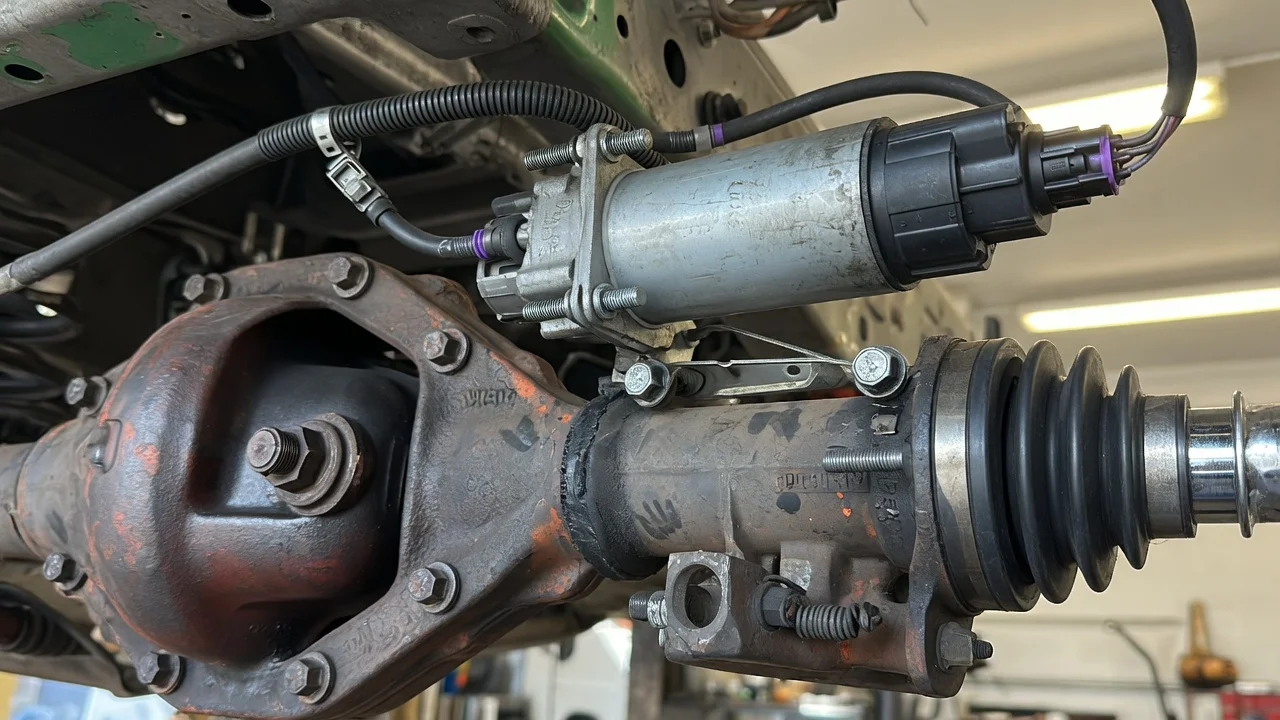
If your 1997 Silverado shifts into four-wheel drive but the front wheels never pull, the front axle actuator is one of the first parts owners suspect. Before ordering one, confirm two things: that your truck actually has this part, and which version it uses. This guide explains how to match a replacement to your truck, how the actuator works, what affects fitment, and the checks worth doing before you spend money on a new unit.
Does your 1997 Silverado use a front axle actuator?
In 1997, Silverado was a trim level on the Chevrolet C/K pickup, not a separate model. Only four-wheel-drive K-series trucks have a front axle actuator. Two-wheel-drive C-series trucks have no driven front axle, so they have no actuator. On 4WD trucks of this generation, the independent front suspension uses a center axle disconnect. The actuator sits on the front differential housing and controls whether the front axle is connected to the wheels.
The short answer is that a replacement must match your truck's drivetrain configuration, not just the model year and name. Most light-duty 4WD trucks of this era use a thermal (heat-operated) electric actuator rather than the motor-driven type found on many later Silverados. However, the drivetrain package, payload rating and transfer case control can all affect which part is listed. Treat the year and badge as a starting point. Confirm the part against your VIN and the truck's factory option codes before you buy.
How the actuator engages the front axle
In two-wheel drive, the front axle is split near the differential, so one side spins freely and the front driveshaft does not turn the wheels. When you select four-wheel drive, the transfer case sends power to the front driveshaft and the actuator is energized. On the thermal type, a heated element expands and pushes a plunger. The plunger moves a shift fork and sliding collar that lock the intermediate shaft to the differential output. Shifting back to two-wheel drive cuts power, the element cools, and the plunger retracts.
Because it works on heat, a thermal actuator is slow by design. It can take a noticeable amount of time to fully engage, and longer in cold weather. A short delay after shifting is normal. Engagement that never happens is not. Sometimes the shift collar needs slight rotation to line up with its splines, so rolling the truck a short distance can help it finish engaging. A part that is energized but never completes the shift may point to the actuator, the fork or collar, or a wiring fault.
What changes the correct part
Several configuration details decide which actuator fits. The first is the drivetrain: 2WD versus 4WD, and which front axle the truck left the factory with. Light-duty half-ton trucks and heavier three-quarter-ton or one-ton versions can use different front axle assemblies. The second is the transfer case control. These trucks came with either a floor lever or an electric push-button selector, and the wiring that powers the actuator differs between the two. The third is the cab and chassis package, which can affect related components even when the actuator itself is shared.
Previous work on the truck also matters. Check the service history and the axle itself for signs of an axle swap, a cable-operated conversion kit, or a motor-type actuator installed in place of the original. Any of these means the factory catalog listing may no longer match what is on the truck. Operating conditions are worth noting too. Trucks driven in deep water, road salt or extreme cold are more likely to have corroded connectors or moisture in the actuator, which affects both diagnosis and the choice of replacement.
What to check before replacing it
Start by identifying the truck. The Service Parts Identification label, usually inside the glove box, lists the factory option codes. A parts counter can use these codes along with the VIN to confirm the correct actuator. Then compare the old unit with the replacement. Check the connector shape, the mounting style, the plunger length and the overall body before installing. If anything differs, stop and recheck the fitment rather than forcing the part to fit.
Before condemning the actuator, run a basic inspection of the circuit. Look at the harness and connector at the differential for corrosion, broken wires or a melted plug. Check the fuse that feeds the four-wheel-drive circuit, using the wiring diagram for your configuration. Then, with the engine running and four-wheel drive selected, test for voltage at the actuator connector. If power is present but the front axle never engages, the actuator or the shift mechanism is the likely cause. If there is no power, the fault is upstream in the switch, fuse or wiring, and a new actuator will not fix it.
Removing the actuator can let some differential fluid escape. After any work on the front axle, check the fluid level and top it up with the lubricant specified in the manufacturer specifications for your axle. Remember that the actuator is not a scheduled maintenance item. There is no universal replacement interval, so replace it based on a confirmed fault rather than mileage. When you road-test the repair, select four-wheel drive on a loose or slippery surface where it is safe. Allow time for engagement and confirm that the front wheels are actually pulling.
Limits and when to get professional help
This guide does not list exact part numbers, electrical values or engagement times. These depend on your specific vehicle configuration and should come from the factory service manual or a parts catalog matched to your VIN. Symptoms such as grinding when engaging four-wheel drive, a front driveshaft that turns without driving the wheels, or a warning light that stays on can come from more than one source, including the shift fork, collar, axle shafts or transfer case.
Consider a professional diagnosis in three situations: the circuit tests correctly but the axle still will not engage, the truck has been modified, or there are noises from inside the differential. A shop can check whether the internal shift collar or splines are worn, which a new actuator cannot correct. Taking the truck's option codes and any repair records to the appointment helps the technician confirm the right part on the first visit.