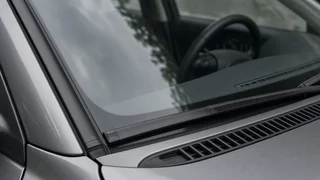
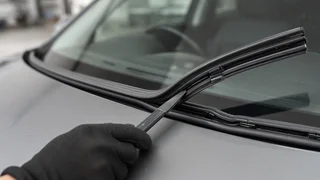
1963 Corvette Windshield Molding
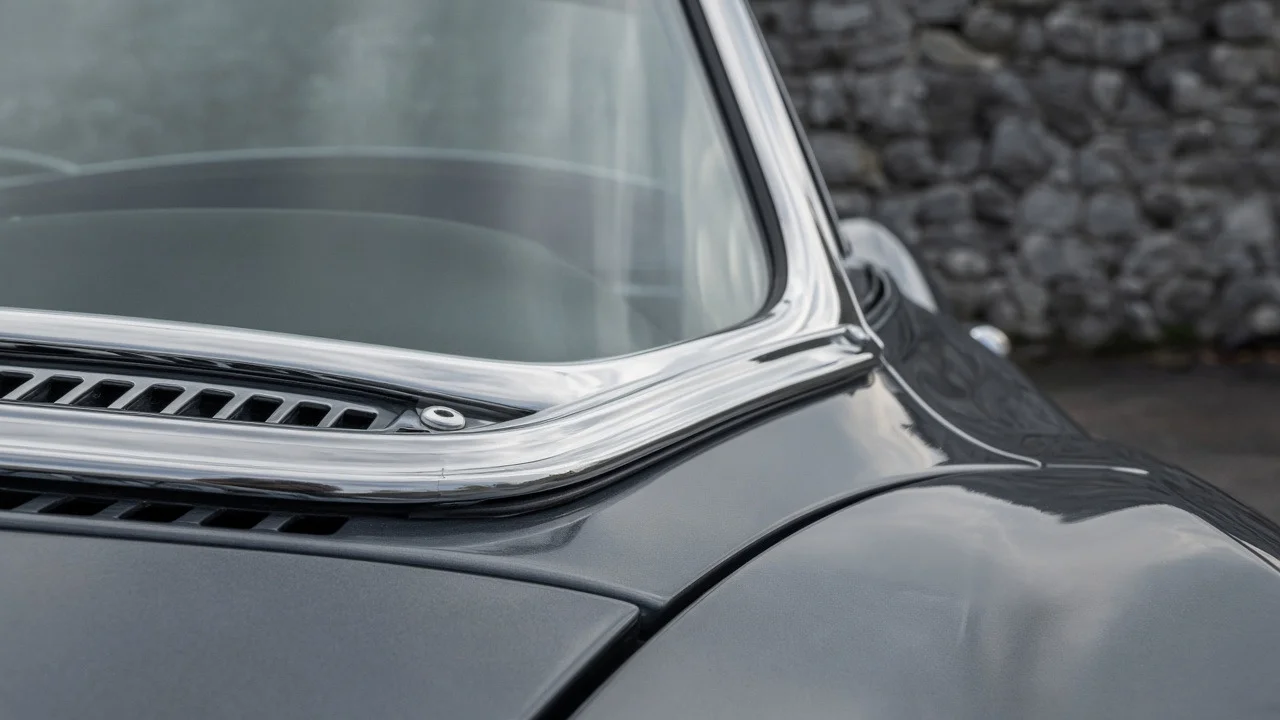
The windshield molding on a 1963 Corvette is more than a bright accent. It protects the glass edge, helps locate the windshield during installation, and covers the body opening where weather sealing and adhesion occur. When this trim is missing, bent, or fitted with the wrong profile, what begins as a cosmetic distraction can become a water leak, wind noise, or glass movement. Understanding its role requires looking closely at how the fiberglass surround, glazing seal, and trim interact. A correct replacement depends less on guesswork than on matching the car’s windshield frame configuration and seal condition.
Essential answer
The 1963 Corvette windshield molding is the formed metal trim that finishes the transition between the windshield glass and the surrounding fiberglass body. On the midyear body style, this molding is essentially a reveal trim, not the main structural retainer. Its shape follows the curved glass and must sit cleanly against the weatherstrip or seal bead at the glass edge. Because glass fitment for this model uses a rubber seal around the laminated windshield, the molding works as a secondary clip-on or screw-retained cover rather than as the only component holding the glass in the opening.
Owners researching this part are usually trying to identify the correct profile, repair a loose section, or stop water ingress after reusing old trim. The most important qualification is that an original molding may not interchange with later Corvette windshield trim without checking its cross-section, clip spacing, and corner construction. Seal condition matters just as much as the metal itself. If the rubber has hardened or shrunk, even a correct piece of trim can sit high or leave a gap that affects wind noise and wiper contact along the cowl.