10W-40 Engine Oil: Grade Meaning and Suitable Uses
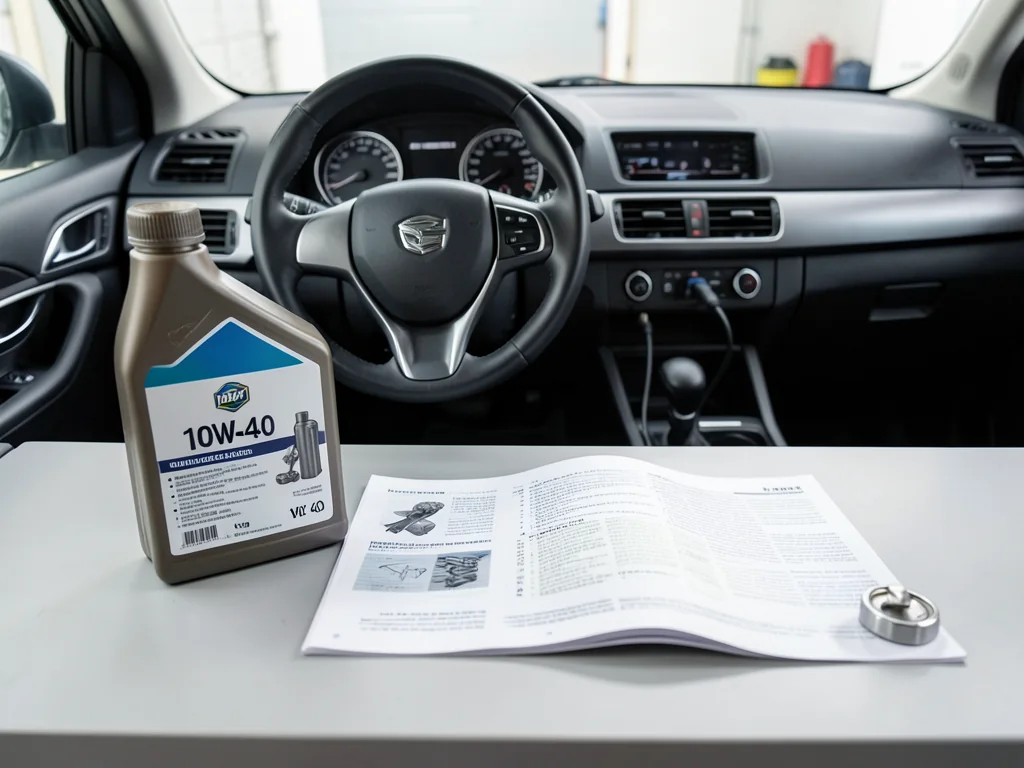
10W-40 engine oil is a familiar multigrade choice, often discussed for older, hot-running or high-mileage engines. A shelf tag might read 10W40, 10W 40 or even 10-40W, but all of these point to the same SAE viscosity grade. To decide whether this grade belongs in your engine, you need to know what the numbers mean, what they leave out and what the manufacturer allows.
What the 10W-40 Viscosity Grade Means
The 10W-40 designation is an SAE viscosity grade. It describes how thick the oil behaves under standardized test conditions. As a multigrade engine oil, it meets the requirements of two grades at once: a winter grade and a high-temperature grade. The label doesn't tell you overall quality, additive strength or how well the oil resists breakdown. Two bottles marked 10W-40 can have very different formulations, so the grade is only one part of the picture.
The 10W portion, where W stands for winter, reflects laboratory limits for cold-cranking and pumping behavior. These tests show how easily the engine can turn over and how quickly oil reaches the pump during a cold start. However, 10W is not a direct outdoor temperature cutoff. The 40 identifies operating-temperature viscosity measured at a specified high test temperature. Neither number is an oil temperature. They are classification labels, and a higher second number means thicker oil when hot.
Check Whether Your Engine Allows 10W-40
Before buying any 10W40 engine oil, check the owner's manual or manufacturer service information for your exact engine and model year. Many engines list more than one permitted viscosity grade, and some list only thinner oils. The performance specifications or manufacturer oil approvals the engine requires matter just as much. A product can carry the correct SAE grade and still fail to meet the approval your engine calls for, so check both the viscosity and the specification before treating an oil as compatible.
Some manufacturers print an ambient-temperature chart that shows which grades suit the climates the vehicle will see. It may come with notes about towing, sustained heavy loads or other operating conditions. Compare the chart with your usual local temperatures rather than a single hot day. If the documentation is missing, sources disagree or the engine has been swapped, ask a qualified technician or dealer for guidance. Picking a grade from odometer mileage alone ignores the information that actually matters.
How Age and Mileage Affect the Decision
A high odometer reading or an older model year doesn't by itself make 10W-40 the right choice. Engines age differently depending on design, maintenance and use, and a well-kept high-mileage engine may still need the grade originally specified. A high-mileage formulation is also a product category, usually with additives for seal conditioning or deposit control. It is separate from the SAE viscosity designation. These oils come in several grades, so read the actual specifications on each product.
If you are considering a change, the useful context is maintenance history, documented oil consumption between changes, visible leaks and the engine's general mechanical condition. A technician can weigh that evidence, possibly along with compression or oil pressure testing, before suggesting whether a permitted grade change makes sense. Be realistic about the limits. Switching viscosity cannot repair worn bearings, tired piston rings, hardened seals or other mechanical faults. At best, a thicker oil may hide a symptom while the underlying wear continues.
Hot Weather and Hot-Running Engines
Hot climates are a common reason drivers look at 10W-40, but hot-weather use still has to stay within the grades and operating guidance the manufacturer permits. If the manual's chart doesn't include 10W-40, high ambient temperatures don't override that. An engine that runs hotter than normal is a separate issue. Abnormal temperature usually points to a cooling system problem such as low coolant, a failing fan, a restricted radiator or a thermostat fault. Choosing a thicker oil does not fix overheating.
The most useful observations are ones you can make safely from the driver's seat. Note when the temperature gauge rises, whether warnings appear in traffic, on hills or while towing, and whether the air conditioning was running. Pass these details on to a technician. Never open a hot radiator cap or coolant reservoir, because pressurized coolant can cause serious burns. If an overheating or oil-pressure warning appears, stop safely as soon as you can and switch off the engine as the owner's manual directs. Arrange an inspection before driving further.
Read the Bottle Before Buying or Topping Up
On most bottles, the SAE grade is shown prominently on the front. The back label lists performance specifications, industry service categories and any manufacturer approvals, often with an approval code or reference. The 10W-40 designation alone says nothing about the base oil, whether conventional, synthetic blend or full synthetic, or about the intended application. Some 10W-40 products are formulated for motorcycles, diesels or other specialized uses, so the front label is never enough to establish engine compatibility.
Before a top-up or full oil change, confirm that the product meets your engine's documented requirements, not just the viscosity. Even a small amount of unsuitable oil added during a roadside top-up is worth avoiding, so keep a bottle of the correct oil on hand. Don't assume a thicker grade lets you go longer between changes. Viscosity alone doesn't determine the oil-change interval. Follow the vehicle's maintenance schedule or oil-life monitor, which account for driving conditions and elapsed time.
Monitor Oil Level and Recognize When Testing Is Needed
Check the oil level with the vehicle parked safely on level ground and the engine off. Use the method the manufacturer prescribes, whether that is a dipstick after a set waiting time or an electronic level reading. Add oil gradually and recheck, because overfilling can cause aeration and other problems. Keep a simple log of the mileage at each check, how much oil you add, any visible drips or wet areas and any warning messages. That record gives a technician far more useful evidence than memory alone.
Be careful about drawing conclusions from what you see or hear. Dark oil, a ticking noise or gradual consumption cannot prove that a particular viscosity is right for the engine, and none of them identifies a specific fault on its own. Persistent consumption, recurring leaks, abnormal engine noise and any oil-pressure warning all call for professional diagnosis, which may include pressure testing or a physical inspection. Choose the oil grade from manufacturer documentation and back it up with careful monitoring as part of broader engine care.