00473 Electronic Parking Brake Control Module J540: Fault Diagnosis
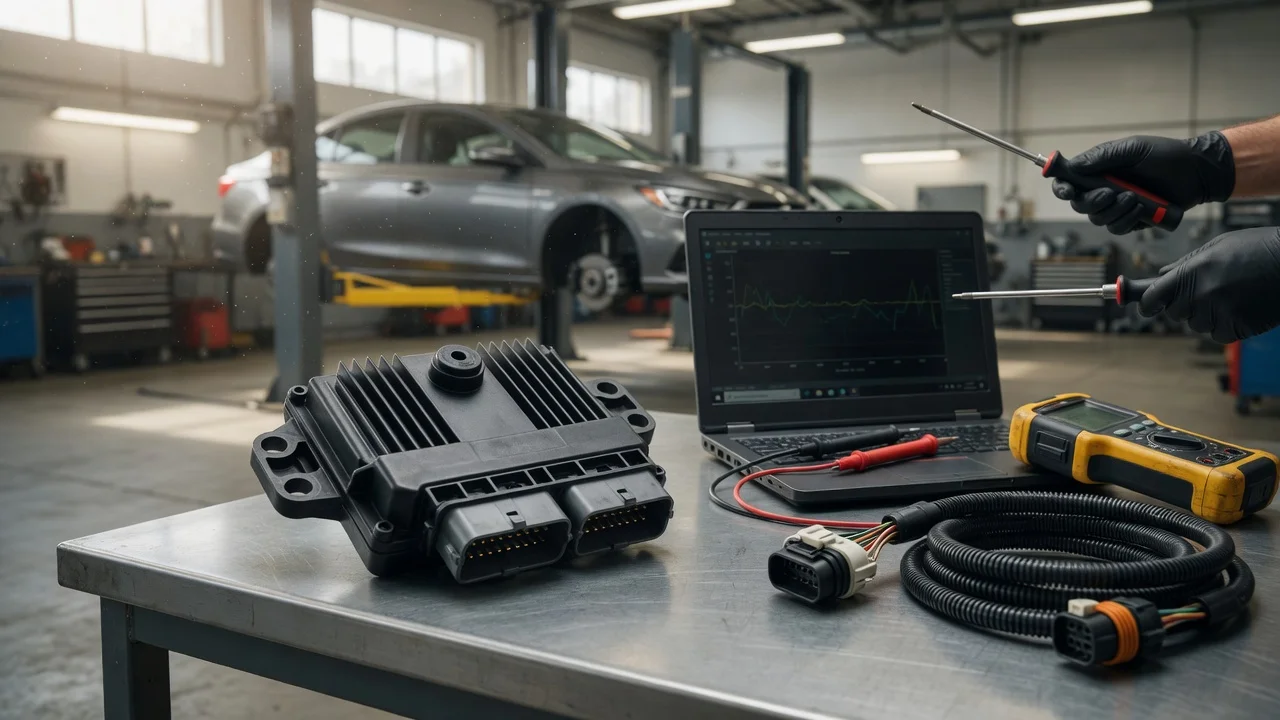
Fault code 00473 points to a problem reported by the electronic parking brake control module, often identified by its Volkswagen/Audi component code J540. This code does not identify a single failed part by itself. It is a starting point for checking power supply, ground connections, wiring, and the module's ability to communicate. The following guide explains what the code means, what can cause it, and how to narrow down the fault before replacing components.
What Does Fault Code 00473 Mean?
The 00473 diagnostic trouble code is associated with the electronic parking brake control module, designated J540 in many Volkswagen Group vehicles. In diagnostic terms, the code appears when a control unit or its connected systems report an internal fault, a supply voltage problem, or a communication issue. However, the exact wording shown by a scan tool can vary depending on the model year, engine, and market configuration of the vehicle. Some control units use manufacturer-specific fault text, so the same number may not always describe an identical failure.
It is important to distinguish between the parking brake system and the control module itself. The system includes the switch, actuators or motors at the rear brakes, wiring, and the J540 module. The module is the electronic unit that processes inputs and commands the actuators. A 00473 code reported by this module can originate from outside the module, so replacing J540 based only on the code is not a reliable repair method.
Common Causes to Check First
Several conditions can produce a 00473 code. A low or unstable supply voltage is a frequent cause because the parking brake electronics may interpret voltage drops as an internal fault. Corroded or loose ground connections can create the same effect. Damaged wiring or connectors between the module and the actuators can also trigger a stored fault. In some cases, the module may have an internal failure, but this should only be concluded after external causes have been ruled out.
Start with the cheapest and most accessible checks. Battery condition and charging system output affect every control module in the vehicle. A weak battery may cause multiple codes, not only 00473. After confirming stable voltage, inspect the wiring harness near the module for chafing, moisture, or corrosion. The condition of connectors matters because high resistance at a terminal can mimic an internal module fault.
Step-by-Step Diagnostic Approach
Begin by reading all fault codes from the vehicle, not only the parking brake control module. Record the freeze frame data if available, because it shows the operating conditions when the code was stored. Clear the codes and operate the parking brake through apply and release cycles. If the code returns immediately, a static fault is likely present. If it returns only after driving or under specific conditions, the cause may be intermittent.
Check the supply voltage to the J540 module with a digital multimeter. Compare the reading at the module connector with battery voltage while the parking brake is being applied. A big voltage drop during actuator operation indicates a wiring or connection problem. Test the ground circuit under load as well, because a ground that reads fine without current can fail when the motor draws power.
Inspect the connectors at the module and at both rear brake actuators. Look for bent pins, pushed-back terminals, moisture, or green corrosion. Perform a continuity check on the wiring between the module and the actuators if the connectors look intact. Wiggling the harness while watching live data or resistance can reveal an intermittent break that is not visible from the outside.
When the Module Cannot Be Reached
If the scan tool cannot communicate with the J540 module at all, the problem is usually power, ground, or the communication network, not necessarily a dead module. Confirm that other control units on the same data bus respond normally. If they do not, the issue may affect the shared bus. If they do respond, focus on the dedicated power and ground feeds to the parking brake module.
Measure voltage at the module's power supply pins with the ignition on. A missing feed may point to a blown fuse, a relay, or a broken wire. Check the ground path with a loaded test, not only a resistance reading. Only after stable power and ground are confirmed and the module still does not communicate should an internal module fault be considered a likely cause.
Interpreting Test Results
A normal battery voltage at the module connector during apply and release cycles supports the idea that the supply circuit is adequate. A voltage that drops sharply during motor operation suggests excessive resistance in the feed or a failing battery. Normal voltage with a code that repeatedly sets after clearing points toward a signal or module problem, while an intermittent code that appears only under vibration favors a wiring or connector defect.
A ground circuit that cannot carry current will cause voltage at the module to appear unstable. Testing with a headlamp bulb or a dedicated load tool across the ground path is more useful than a simple ohmmeter reading. If the ground fails under load, repair the ground point before condemning the control module. Each check narrows the possible causes and helps avoid unnecessary component replacement.
When Replacement Is Justified
A J540 module may be faulty if power, ground, wiring, connectors, and communication checks all pass and the code still recurs. In many vehicles, a replacement or used module requires coding or adaptation to the vehicle. The exact procedure depends on the model year and configuration. Without proper coding, a new module may not operate the parking brake correctly or may set additional faults.
The code alone is not proof that the module needs replacement. Some vehicles also store additional information about the fault environment, such as voltage and temperature. Use that data along with the checks described above. If the evidence points to an internal failure after external causes are excluded, replacement becomes a reasonable next step rather than a guess.
Tools and Precautions
A scan tool capable of reading the parking brake control module is the primary tool. A digital multimeter is needed for voltage and resistance checks, and a load device improves ground testing. Wiring diagrams are helpful because pin assignments and wire colors differ between model years and variants. Before working on the electronic parking brake, follow the vehicle-specific procedure for placing the brake in service mode if required.
Do not disconnect the control module or actuators while the system is under tension unless the service information instructs otherwise. On some vehicles, the rear calipers can move unexpectedly during diagnosis. Keep hands clear of the brake mechanism during apply and release tests. A careful, ordered diagnosis is safer and more likely to identify the actual cause than replacing parts based on a single code.
Vehicle Variations and Information Gaps
The meaning and repair path for 00473 can differ across model years, engine variants, and regional specifications. Some models use different wiring layouts or integrate the parking brake with other systems such as hill hold or auto hold. This guide explains the diagnostic logic but cannot provide exact pin assignments, torque values, or coding steps for every vehicle. Use vehicle-specific repair information for those details and confirm fault code definitions in the applicable diagnostic software.